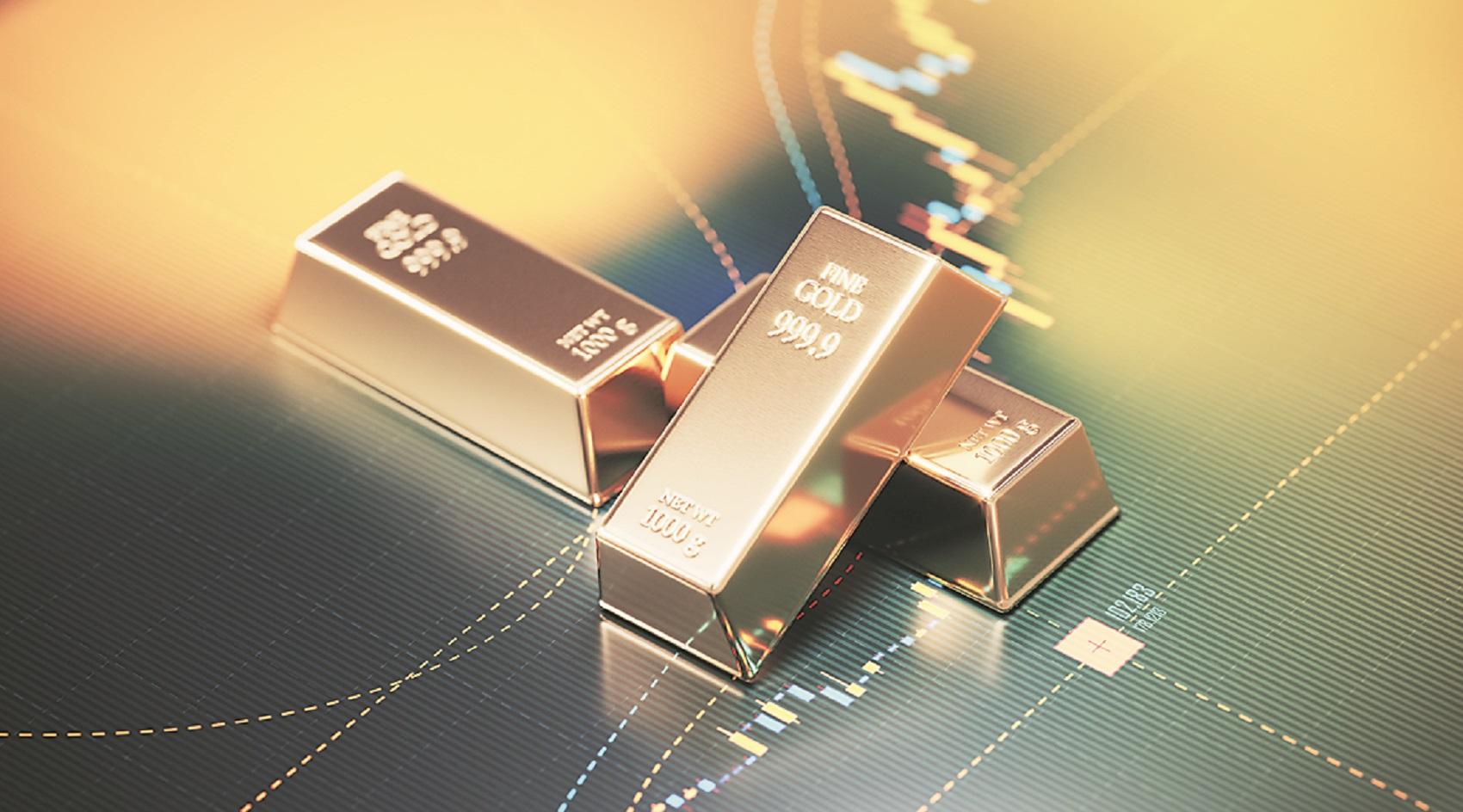
On June 6, 2026, India's domestic bullion market observed a minor price correction. The primary 24-carat gold price dropped by ₹10 to settle at ₹155,720 per 10 grams in New Delhi. Simultaneously, silver values fell by ₹100, closing at ₹274,900 per kilogram amid shifting international economic indicators.
NEW DELHI — The retail price of gold and silver in India’s capital fell during early trading on June 6, 2026, tracking subtle shifts in global macroeconomic cues and profit-taking by domestic market participants. The primary keyword gold price registered a marginal dip of ₹10, bringing the trading price for 24-carat gold down to ₹155,720 per 10 grams in New Delhi, while silver dropped by ₹100 to trade at ₹274,900 per kilogram. This intraday correction represents a stabilization period for precious metals following a highly volatile trading quarter influenced by shifting international interest rates and central bank policies.
Intraday Market Correction Patterns
According to updates from regional bullion associations, the slight downward movement in the gold price reflects localized consolidation rather than a macroeconomic trend reversal. While 24-carat gold settled at ₹155,720 per 10 grams, the price of 22-carat gold — which is heavily utilized in consumer jewelry manufacturing across India — adjusted lower to approximately ₹142,740 per 10 grams.
Market analysts note that minor price drops are typical during periods when institutional investors balance their portfolios ahead of major central bank announcements. The concurrent ₹100 dip in silver, dragging the metal down to ₹274,900 per kilogram, further shows a minor reduction in industrial demand indicators across global commodity desks.
Domestic Demand Patterns and Consumer Impact
The subtle softening of the gold price and industrial silver rates carries varied implications across major Indian consumer and investment segments:
Retail Jewelry Consumers: For retail consumers in major hubs like New Delhi and Mumbai, a minor ₹10 variance leaves immediate purchasing power largely unchanged, though it offers a predictable entry point for buyers looking to lock in wedding season jewelry orders.
Avenue Investors: Institutional investors and retail sovereign gold bond (SGB) holders continue to observe long-term support levels, tracking whether local currency fluctuations against the US dollar will insulate domestic precious metal prices from deeper global drops.
Industrial Fabricators: Silver's correction to ₹274,900 per kilogram provides minor relief to green-energy technology manufacturers and electronics fabricators, who rely on steady raw material overheads.
Macroeconomic Dynamics and Global Triggers
Indian bullion values do not operate in isolation. Commodity strategists point out that the benchmark gold price remains tied to the Multi Commodity Exchange (MCX) and international spot indicators on the COMEX.
Recent signals from the US Federal Reserve regarding inflation curves and sustained bond yields have strengthened the greenback, making dollar-priced commodities marginally more expensive globally and prompting short-term corrections in non-yielding assets like gold and silver. Additionally, domestic import duties and goods and services tax (GST) structures ensure that local prices maintain a distinct premium over global spot averages.
Official Sources Section
Data compiling the current market snapshot is aggregated directly from official pricing logs published by the India Bullion and Jewellers Association (IBJA), localized exchange spot registries, and settlement data from the Multi Commodity Exchange of India (MCX). All referenced figures reflect standard physical delivery benchmarks prior to the application of local state-level taxes, making-charges, or the mandatory 3% GST.
Quote Section
"According to officials at regional retail bullion syndicates, the current stabilization pattern in the gold price is a healthy corrective phase. Market liquidity remains robust, and slight micro-adjustments are unlikely to deter institutional safe-haven demand given ongoing structural inflation hedges."
Why It Matters
Understanding the minor daily fluctuations in the gold price helps retail investors time capital deployments into physical metal assets, exchange-traded funds (ETFs), or digital alternatives. Because precious metals act as the ultimate systemic hedge against currency devaluation, even marginal 24-carat corrections serve as vital tracking benchmarks for commercial banks, jewelry export houses, and household savings managers across India.
Key Facts at a Glance
24-Carat Benchmark: The standard gold price in New Delhi dropped by ₹10, settling at ₹155,720 per 10 grams.
Industrial Silver Shift: Silver values declined by ₹100, bringing commercial spot trading rates to ₹274,900 per kilogram.
Jewelry Grade Value: The 22-carat gold price adjusted alongside the premium grade, trading around ₹142,740 per 10 grams.
Regulatory Framework: Quoted prices represent base market rates before the addition of local fabrication premiums and the statutory 3% GST.
FAQ Section
Why did the gold price fall today?
The retail gold price experienced a minor intraday adjustment of ₹10 due to normal profit-taking by domestic market participants and steadying international spot values influenced by global currency indices.
What is the difference between 24-carat and 22-carat gold prices?
24-carat gold represents 99.9% pure metal and currently trades at ₹155,720 per 10 grams, whereas 22-carat gold contains roughly 91.6% pure gold mixed with durable alloys, translating to a slightly lower price point favored for retail jewelry.
Are local taxes included in the ₹274,900 silver price?
No. The quoted silver rate of ₹274,900 per kilogram reflects the base institutional bullion registry price. Final retail or commercial transaction totals will include localized making charges and the standard 3% GST.
How do international markets influence local Indian gold rates?
Domestic gold values are highly sensitive to global spot benchmarks on exchanges like COMEX, central bank interest rate policies, international currency movements, and domestic import duties set by the Ministry of Finance.
Source: India Bullion and Jewellers Association (IBJA), Multi Commodity Exchange of India (MCX).