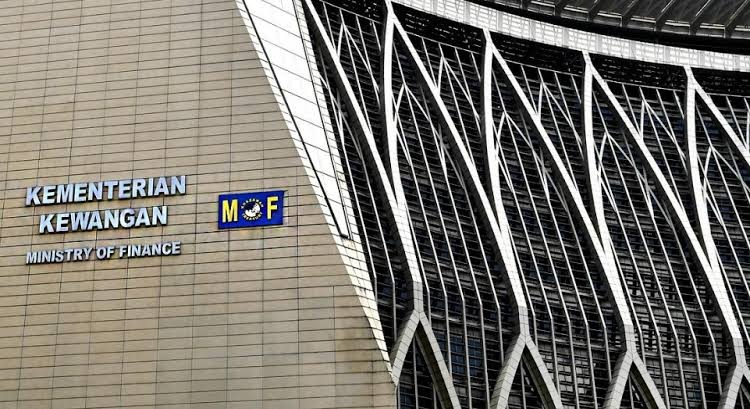
Malaysia is optimizing non-critical administrative expenditures to offset global subsidy cost inflation while guaranteeing that all vital economic and welfare allocations under the 2026 Budget proceed seamlessly. Concurrently, the government is finalizing preparations to launch an affordable, standardized basic health insurance pilot project by late July.
KUALA LUMPUR — Malaysia's Second Finance Minister Datuk Seri Amir Hamzah Azizan announced a strategic realignment of the federal government’s operating expenditure, specifically targeting non-critical spending to absorb an unexpected surge in global subsidy costs. Addressing the Dewan Rakyat on Tuesday, June 30, 2026, the Minister confirmed that the calibration is necessary to build resilient fiscal room while shielding citizens from international market volatility. Crucially, the treasury confirmed that all structural funding approved under the 2026 Budget will remain completely untouched, ensuring that critical economic, infrastructure, and social welfare programs proceed uninterrupted.
Balancing Fiscal Space and Volatile Commodity Commitments
The operational shifts are a direct response to a massive spike in federal subsidy expenditures driven by geopolitical fluctuations and rising resource imports. By optimizing non-essential public spending, the government aims to generate immediate financial buffers without altering its aggregate deficit targets.
According to data presented to Parliament, the recent tightening of the domestic fuel framework and the rationalization of various logistical leakages are designed to optimize the treasury's baseline capital. This expenditure rebalancing focuses purely on administrative outlays, official travel, and non-essential infrastructure adjustments, leaving development allocations and critical citizen-facing initiatives uncompromised.
Rolling Out the Basic Health Insurance Transformation
Alongside fiscal consolidation measures, the Ministry of Finance announced intensive administrative preparations for its long-awaited medical and health insurance/takaful (MHIT) base plan pilot project. Scheduled to begin its testing phase by the end of July in the Klang Valley, this structural initiative seeks to combat the steady rise of private medical inflation and insulate the public from fluctuating private hospital billing costs.
The upcoming healthcare pilot project aims to establish a clear framework for high-impact social security:
Hospitalization Security: The base policy covers large hospital bills centered around standardized shared-room costs.
No Lifetime Cap: The insurance model features a reliable annual limit designed to cover up to 99% of traditional healthcare treatments with zero lifetime restrictions.
Sustainable Cost Sharing: To ensure long-term premium stability, the system incorporates tiered, non-burdening co-payments alongside a progressive, phased rollout of Diagnosis-Related Group (DRG) pricing models.
Official Sources Section
Financial operational guidelines, ministerial statements, and legislative parameters are managed under the jurisdiction of the Ministry of Finance Malaysia (MOF) and the [suspicious link removed] (MOH). Supplementary monetary tracking, premium guidelines, and economic metrics are supervised by Bank Negara Malaysia (BNM).
Quote Section
"The government introduced the RESET strategy as a comprehensive, targeted, and high-impact framework to control rising healthcare costs and private medical insurance premiums," Second Finance Minister Datuk Seri Amir Hamzah Azizan stated during ministerial question time in Parliament. "This base plan is a pivotal step towards widening access to sustainable protection. Crucially, policyholders facing market repricing will have the option to switch seamlessly to this base plan with their current insurer without new medical underwriting."
Why It Matters
The optimization of non-critical administrative budgets ensures that everyday consumers and public entities are not exposed to aggressive austerity measures. By safeguarding core budget items, the government maintains the continuous modernization of civic infrastructure while laying down a secure, affordable safety net via the new medical insurance transformation. For local businesses and international investors, this disciplined approach reinforces sovereign credit ratings and highlights Malaysia’s long-term macroeconomic stability.
Key Facts at a Glance
Budget Preservation: All essential socioeconomic allocations approved under the 2026 Budget remain protected.
Fiscal Target: Spending adjustments target non-critical operational outlays to absorb localized subsidy spillovers.
Healthcare Pilot Launch: The Base MHIT pilot is officially set to begin execution by the end of July 2026.
Consumer Safeguard: The upcoming standardized insurance blueprint features no lifetime claims ceiling and guaranteed renewals up to age 85.
FAQ Section
What counts as non-critical spending under this new government alignment?
Non-critical spending includes internal administrative overhead, official government travel, non-essential corporate entertainment, and deferred low-priority public events. Core welfare, education, healthcare, and infrastructure development remain unchanged.
When will the basic health insurance plan be available to all citizens?
The pilot project launches at the end of July 2026 within the Klang Valley region. Following the resolution of operational metrics, the unified national rollout is scheduled to take effect in January 2027.
Will the new medical insurance plan replace the existing public healthcare system?
No. The base insurance plan acts as a voluntary, affordable supplement designed to preserve patient choice, ease the overcrowding of public hospital wards, and standardize pricing parameters across private healthcare markets.
Source: Ministry of Finance Malaysia, [suspicious link removed], Bank Negara Malaysia, Parliament of Malaysia Hansard.