




Loading market data...
ADVERTISEMENT

Latest Top News
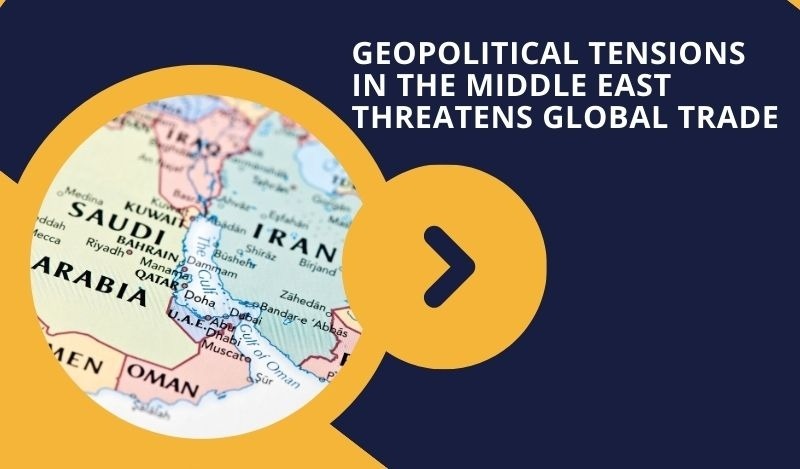
Middle East Tensions Disrupt Aviation, Trade And Energy Markets
Escalating tensions in the Middle East continue to disrupt global aviation routes, shipping lanes, and energy markets. Airlines are rerouting flights to avoid conflict zones, while oil prices remain volatile amid fears of supply disruptions. The instability underscores the region’s critical role in global trade and energy security.
Stay Ahead – Explore Now! India Road Safety Tech Plan Facing Telecom Spectrum Gridlock
ADVERTISEMENT

Latest Updates

Global Markets Surge Higher in Pivotal Pre-Market...
16 Jun 2026, 07:57 AM
Tokenomics 2.0 Frameworks Deployed to Battle Risin...
16 Jun 2026, 07:48 AM
Siri AI in iOS 27 Introduces Onscreen Awareness an...
16 Jun 2026, 06:20 AM
FOMO TO FMA - Global Uncertainty Meets Indian Opti...
16 Jun 2026, 06:53 AM
Starlink New Satellite Tech Hits India National Se...
16 Jun 2026, 06:14 AMADVERTISEMENT

Top Stories
Global Markets Surge Higher in Pivotal Pre-Market...
16 Jun 2026, 07:57 AM
Tokenomics 2.0 Frameworks Deployed to Battle Risin...
16 Jun 2026, 07:48 AM
Siri AI in iOS 27 Introduces Onscreen Awareness an...
16 Jun 2026, 06:20 AM