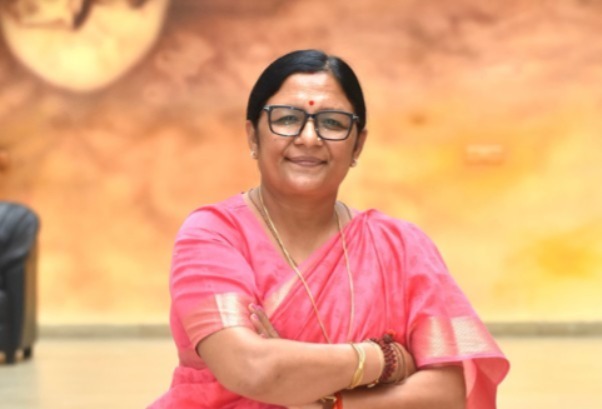
As India moves toward its vision of a "Suposhit Bharat" (well-nourished India) by 2047, Minister of State for Women and Child Development Smt. Savitri Thakur has intensified her call for a nationwide shift toward active and health-focused lifestyles. Addressing concerns regarding the increasing consumption of non-nutritive and oily foods among children, the Minister has urged communities to foster environments that promote regular physical activity and mindful eating.
Addressing the Rising Challenge of Childhood Obesity
Minister Thakur has highlighted obesity and over-nutrition as "grave problems" that require a collective societal response. Echoing concerns raised by Prime Minister Narendra Modi, she emphasized that a sedentary lifestyle and poor dietary choices are contributing to various long-term health risks among the youth.
"We must create an environment where children eat healthy and play regularly," Smt. Thakur stated during a recent national initiative. She noted that the government’s efforts, particularly under the flagship Poshan Abhiyaan, are moving beyond just addressing malnutrition to tackling the growing burden of obesity and non-communicable diseases.
Government Initiatives for Holistic Health
The Ministry of Women and Child Development, under Smt. Thakur’s leadership, is leveraging grassroots networks to drive this health-focused movement. Key strategies include:
Community Engagement: Mobilizing Anganwadi workers to conduct home visits and spread awareness about the importance of a balanced diet, particularly for pregnant women, lactating mothers, and adolescent girls.
Adolescent Health Programs: Through the Rashtriya Kishor Swasthya Karyakram (RKSK), the government provides counseling on healthy lifestyles, physical activity, and menstrual hygiene to adolescents across the country.
School-Based Wellness: Collaborating with the Ministry of Education to implement the School Health and Wellness Programme (SHWP), which trains teachers as "Health and Wellness Ambassadors" to promote physical activity and emotional well-being among students.
Official Perspective
According to officials, the campaign for a healthier India is deeply intertwined with the vision of Viksit Bharat 2047. By focusing on the first 1,000 days of a child’s life and promoting community participation, the government aims to ensure that every household has access to nutritional guidance. The Ministry continues to emphasize that nutrition is not merely a government program but a "national responsibility".
Why It Matters
The Minister’s push for an active lifestyle comes at a critical time when shifting dietary patterns and urbanization are impacting the metabolic health of India’s young population. By promoting "Mindful Eating" and physical activity, the government aims to prevent the onset of chronic health conditions, thereby ensuring a healthier, more productive "Amrit Peedhi" (India's generation for 2047).
Key Facts at a Glance
Focus Areas: Combating obesity, encouraging physical activity, and promoting "Mindful Eating".
Core Target: Youth, adolescents, and mothers, with a specific focus on the first 1,000 days of a child's life.
Grassroots Action: Over 20 crore awareness activities have been conducted across the country to transform nutrition into a Jan Andolan (people's movement).
Institutional Support: Integration of health awareness into school curriculums through the School Health and Wellness Programme.
FAQ Section
Q: What is the main concern raised by Minister Savitri Thakur regarding children's health?
A: The Minister has expressed concern that children are increasingly consuming oily and non-nutritive foods, leading to rising obesity and related health diseases.
Q: How is the government promoting healthy lifestyles for adolescents?
A: Through the Rashtriya Kishor Swasthya Karyakram, adolescents receive counseling on nutrition, physical activity, and emotional health at Adolescent Friendly Health Centres.
Q: What is the significance of the "first 1,000 days"?
A: Government health policy identifies the period from conception to two years of age as the most critical window for a child's physical and cognitive growth and development.
Source: Ministry of Women and Child Development (PIB), The New Indian Express
Women Empowerment and Government Schemes Podcast