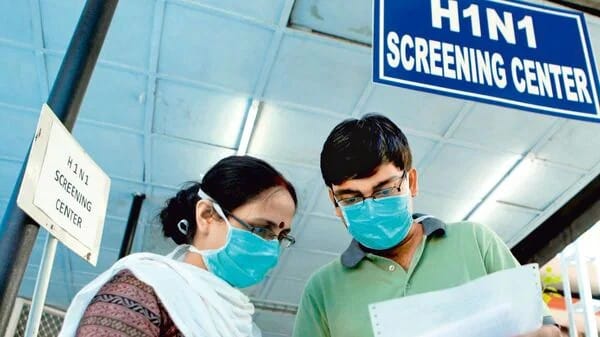
H1N1 swine flu cases are rising rapidly across major Indian cities, with Delhi logging 1,777 cases—a sixfold increase over last year—alongside spikes in Bengaluru and Gurugram. Driven by monsoon humidity, doctors urge high-risk groups including children, the elderly, and comorbidity patients to watch for severe symptoms and seek early treatment.
NEW DELHI — Health authorities and medical specialists across major Indian urban centers, including New Delhi and Bengaluru, have reported a sharp increase in H1N1 (swine flu) cases during the ongoing monsoon season.
Data released by government and hospital networks shows that Delhi alone has recorded 1,777 cases of H1N1 influenza, part of 2,392 total Influenza-A cases logged this season—a sixfold surge compared to figures from the same period last year. The rise in seasonal respiratory infections is driven by high humidity and indoor crowding, prompting medical professionals to issue advisories outlining key symptoms and high-risk categories.
Infection Patterns Across Urban Centers
Medical facilities in metropolitan hubs report that H1N1 has become the predominant circulating strain among viral upper-respiratory tract infections this monsoon.
| Location / Region | Trend & Case Metrics | Key Clinical Observations |
| Delhi-NCR | 1,777 H1N1 cases recorded; 6x increase year-on-year | Isolation wards set up; elevated outpatient admissions. |
| Bengaluru | Outpatient load up to 80% respiratory complaints | Increased cases among school-age children. |
| Gurugram | Highest monthly count recorded in August 2026 | Spikes in high-grade fever and chest congestion. |
| Southern States | Case increases noted in Kerala, Tamil Nadu, Telangana | Testing prioritized for severe respiratory cases. |
Symptoms to Watch and Warning Signs
The H1N1 strain produces symptoms that mimic general seasonal influenza, making clinical testing essential for high-risk patients. Initial manifestations include sudden high-grade fever, chills, dry cough, sore throat, severe body aches, and marked fatigue. Pediatric patients may also present with gastrointestinal symptoms, including vomiting and diarrhea.
Doctors advise patients to monitor for critical warning signs that necessitate emergency medical evaluation, including:
Persistent difficulty breathing or shortness of breath.
Chest pain, tightness, or pressure.
Confusion, extreme lethargy, or inability to stay awake.
High fever that persists or sudden deterioration after initial recovery.
High-Risk Populations Identified by Medical Experts
Infectious disease specialists emphasize that while healthy adults typically recover from mild H1N1 infections within five to seven days with supportive care, certain demographic groups are at elevated risk for severe complications such as pneumonia and respiratory distress:
Elderly Adults (Aged 65 and above): Higher susceptibility to secondary pneumonia and severe respiratory failure.
Young Children (Under 5 years): Increased risk of rapid dehydration and severe respiratory complications.
Individuals with Comorbidities: Patients with poorly controlled diabetes, chronic obstructive pulmonary disease (COPD), asthma, or cardiovascular diseases.
Immunocompromised Individuals: Cancer patients undergoing active therapy, people with uncontrolled HIV, or organ transplant recipients.
Pregnant Women: Heightened risk of severe flu-related complications during the second and third trimesters.
Official Sources Section
Regulatory advisories and clinical guidelines regarding the H1N1 surge have been issued by the Ministry of Health and Family Welfare (MoHFW) and state health departments, alongside hospital network updates from the All India Institute of Medical Sciences (AIIMS) and state-run civil hospitals.
Official Quotes
According to official medical guidance issued by health specialists:
"H1N1 influenza is a seasonal viral illness that increases during humid monsoon conditions. While most cases resolve with rest, hydration, and symptomatic care, high-risk individuals—including the elderly, pregnant women, and patients with underlying health conditions—should seek early medical consultation if respiratory distress develops."
Why It Matters for Citizens and Families
The spread of H1N1 during the monsoon requires heightened awareness regarding personal hygiene and early intervention:
General Public: Maintaining hand hygiene, wearing masks in crowded indoor spaces, and practicing respiratory etiquette reduces community transmission.
High-Risk Patients: Early administration of prescribed antiviral medication (such as oseltamivir) within 48 hours of symptom onset significantly lowers hospitalization risks.
Schools & Workplaces: Timely isolation of symptomatic individuals prevents school-level and office-based outbreaks during high-humidity spells.
Key Facts at a Glance
Case Volume: Delhi has logged 1,777 H1N1 cases this season, marking a sixfold increase year-on-year.
Primary Driver: High monsoon humidity facilitating indoor viral transmission.
High-Risk Groups: Elderly adults, young children, pregnant women, and individuals with asthma, diabetes, or low immunity.
Prevention: Annual flu vaccination, hand sanitization, indoor ventilation, and early clinical consultation.
Frequently Asked Questions (FAQ)
1. Why are H1N1 cases surging across Indian cities right now?
H1N1 cases typically spike during the monsoon season due to high humidity levels, damp conditions, and increased indoor gatherings, which favor the survival and transmission of influenza viruses.
2. What are the main symptoms of H1N1 swine flu?
Common symptoms include high fever, chills, cough, sore throat, runny or blocked nose, severe body aches, headache, and marked fatigue. Some patients, especially children, may also experience nausea, vomiting, or diarrhea.
3. Who needs to be most cautious about H1N1 infections?
High-risk individuals include elderly adults over 65, children under 5, pregnant women, and people with pre-existing conditions like asthma, COPD, diabetes, heart disease, or compromised immune systems.
4. When should a patient seek immediate medical care?
Emergency medical care should be sought if a patient experiences breathing difficulty, chest pain, persistent high fever, confusion, bluish lips, or sudden deterioration after initial recovery.
Source: Ministry of Health and Family Welfare | All India Institute of Medical Sciences (AIIMS) | Press Information Bureau