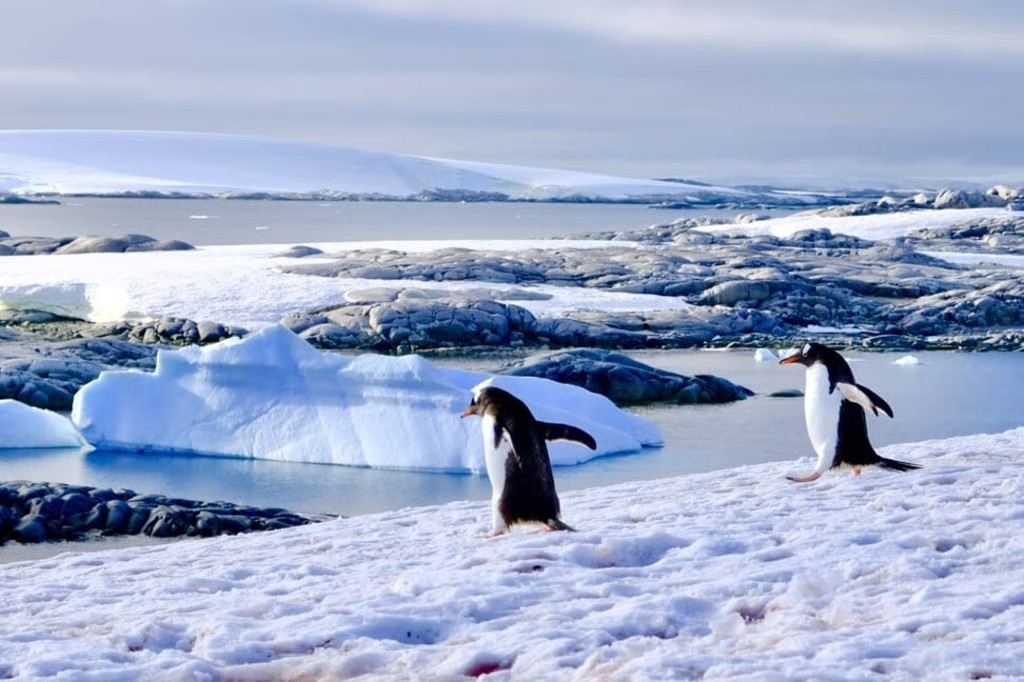


Scientists and policymakers are raising alarms that rising geopolitical tensions and weakening international cooperation could threaten the fragile governance system protecting Antarctica. As global power struggles intensify, experts warn that the Antarctic Treaty system and environmental safeguards may face unprecedented pressure, risking ecological damage and destabilizing one of Earth’s last protected regions.
Growing geopolitical tensions and shifting global power dynamics are now raising serious concerns about the future of Antarctica’s peaceful and science-focused governance. Experts warn that the erosion of international cooperation could weaken the long-standing treaty system that has protected the continent for decades.
At a recent French-Australian research event in Hobart, scientists and policymakers highlighted the risks posed by a weakening rules-based international order. Antarctica has long been governed by the Antarctic Treaty system, which designates the continent as a place dedicated to scientific research and environmental preservation. However, increasing global rivalries and strategic competition among major powers are placing pressure on this framework.
Officials emphasized that Antarctica’s stability depends heavily on multilateral cooperation. Any breakdown in diplomatic norms or global agreements could open the door to resource competition, environmental exploitation, and geopolitical conflict in the region. The warning comes at a time when global tensions and shifting alliances are already reshaping international relations.
Researchers also stressed that Antarctica is not just a remote frozen continent but a critical part of the planet’s climate system. Rapid environmental changes, including melting ice sheets and declining sea ice, could have severe consequences for global sea levels, ecosystems, and weather patterns worldwide.
Key Highlights
-
Concern over weakening global cooperation and growing geopolitical rivalry affecting Antarctic governance
-
Experts warn the Antarctic Treaty system, which promotes peaceful scientific collaboration, could face increasing pressure
-
Some countries have been accused of blocking conservation initiatives such as marine protected areas
-
Reports of activities like seismic surveys raise fears of potential resource exploration in the region
-
Leaders from Australia and France stressed the need to uphold international law and multilateral collaboration
-
Scientists emphasize Antarctica’s crucial role in regulating global climate and sea levels
-
Experts say protecting the continent requires stronger global cooperation amid rising geopolitical uncertainty
As the world experiences growing political fragmentation, researchers warn that Antarctica could become an unexpected front line of global competition. Preserving the continent’s environmental and diplomatic framework may therefore depend on renewed international cooperation and stronger commitment to global agreements.
Sources: News.com.au, Yahoo News, Oceanographic Magazine, UNSW Climate Research