






Follow WOWNEWS 24x7 on:



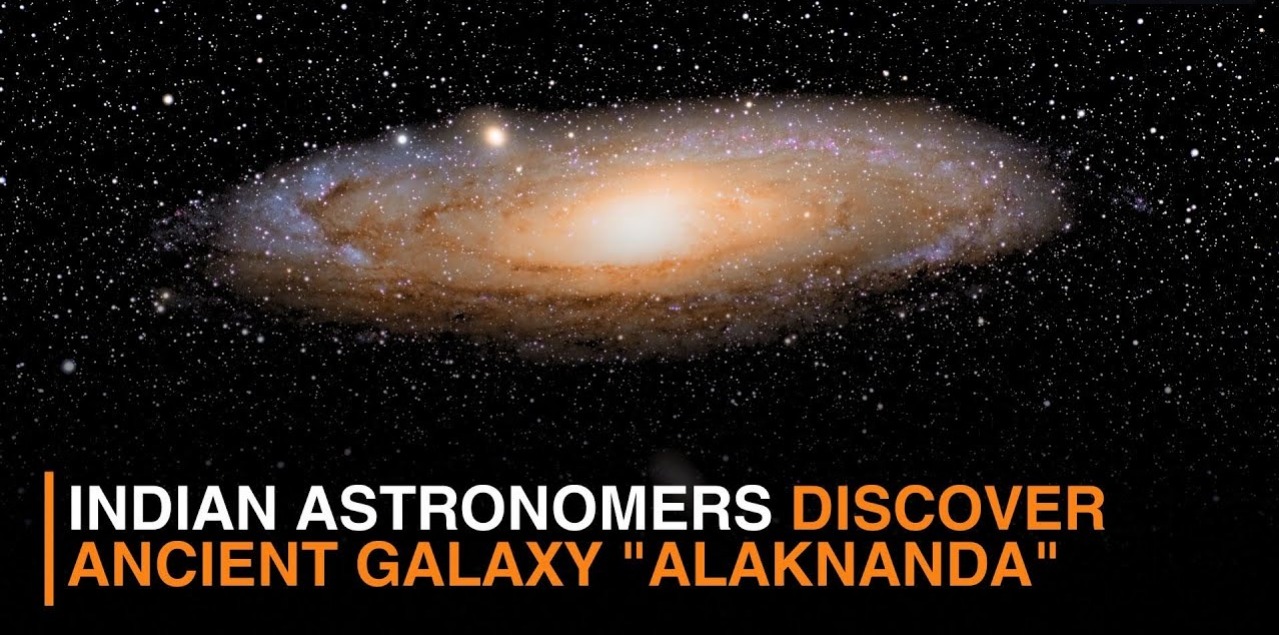
Indian researchers Rashi Jain and Yogesh Wadadekar at NCRA-TIFR, Pune, discovered Alaknanda—a mature spiral galaxy resembling the Milky Way—using JWST data. Formed just 1.5 billion years after the Big Bang, 12 billion light-years away, it challenges theories on early galaxy formation with its grand spiral arms.
Show moreStay Ahead – Explore Now! Degrees, Decisions, and Digital Guards—Meet the Man Behind MyGate’s Watchful Eye
















Follow WOWNEWS 24x7 on:





Copyright 2024 WOWNEWS 24x7. All rights reserved. The WOWNEWS 24x7 is not responsible for the content of external sites. Read about our approach to external linking.
Powered By Just Imagine
