New research suggests a mid‑14th‑century volcanic eruption around 1345 triggered climate shocks that reshaped Eurasian trade routes and propelled plague into Europe. Tree rings, ice cores, and archival records reveal a chain reaction: cooling, ecological stress, and route shifts that funneled Yersinia pestis toward the Black Sea—just before Europe’s catastrophic pandemic.
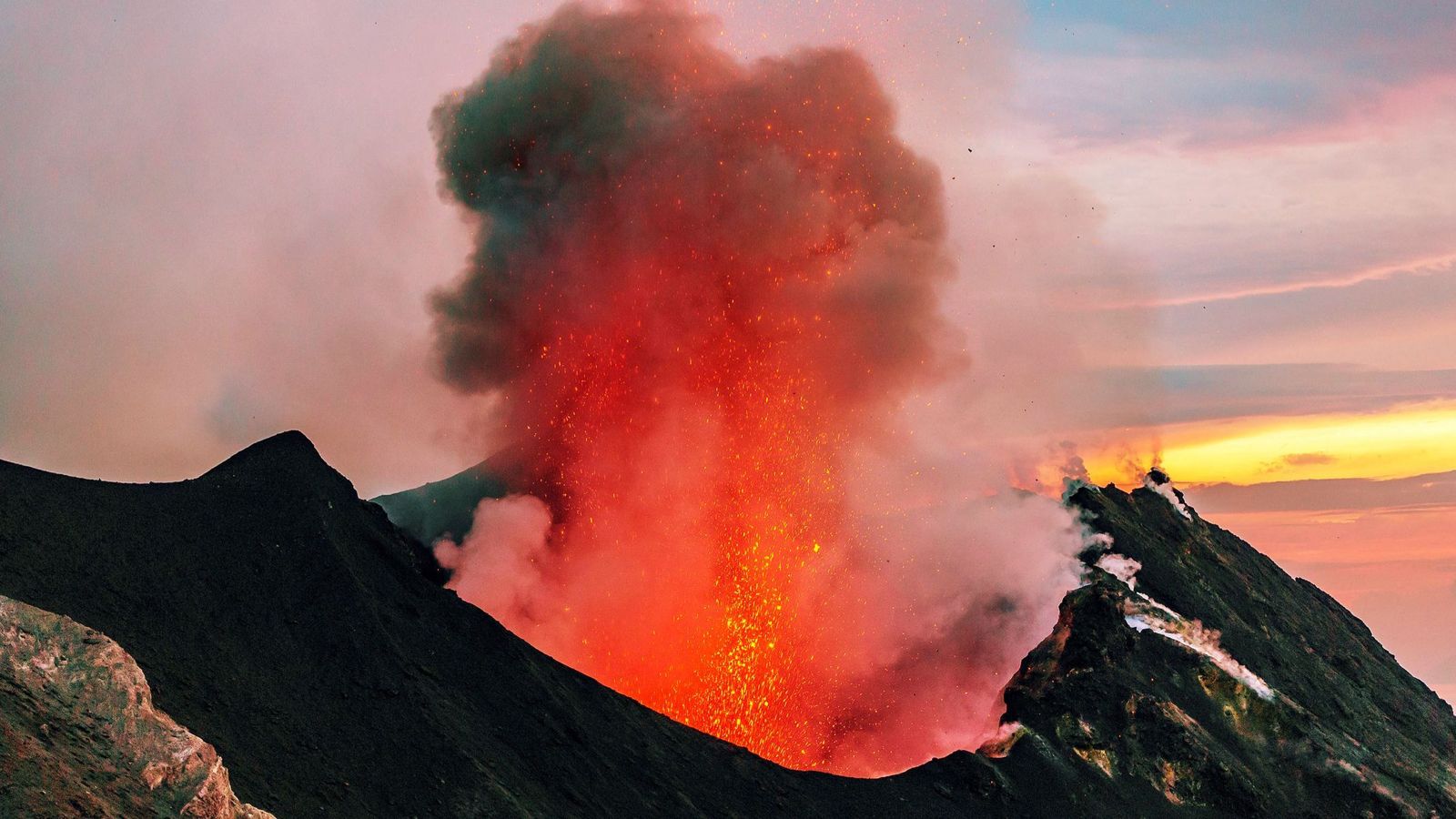
A growing body of evidence now points to a previously unknown volcanic eruption circa 1345 as the “first domino” in a cascade that culminated in the Black Death. Scientists integrating dendrochronology, polar ice records, and medieval documents argue the eruption sparked abrupt cooling and environmental stress across Eurasia, with ripple effects on commerce and disease ecology.
Researchers from the University of Cambridge and GWZO (Leipzig) reconstructed a climate anomaly beginning in the mid‑1340s, using tree‑ring proxies for temperature and precipitation alongside narrative sources. Their model links climatic disruption to shifts in steppe ecology and rodent plague reservoirs, setting the stage for pathogen spillover and spread along reconfigured trade corridors.
The study posits that cooling and aridity disrupted traditional caravan routes across Central Asia, diverting traffic toward the Black Sea littoral. This redirected movement increased contact with plague foci and intensified transmission pathways. By 1346–47, plague reached ports like Kaffa on the Crimean Peninsula, from which it rapidly disseminated across Mediterranean and European networks.
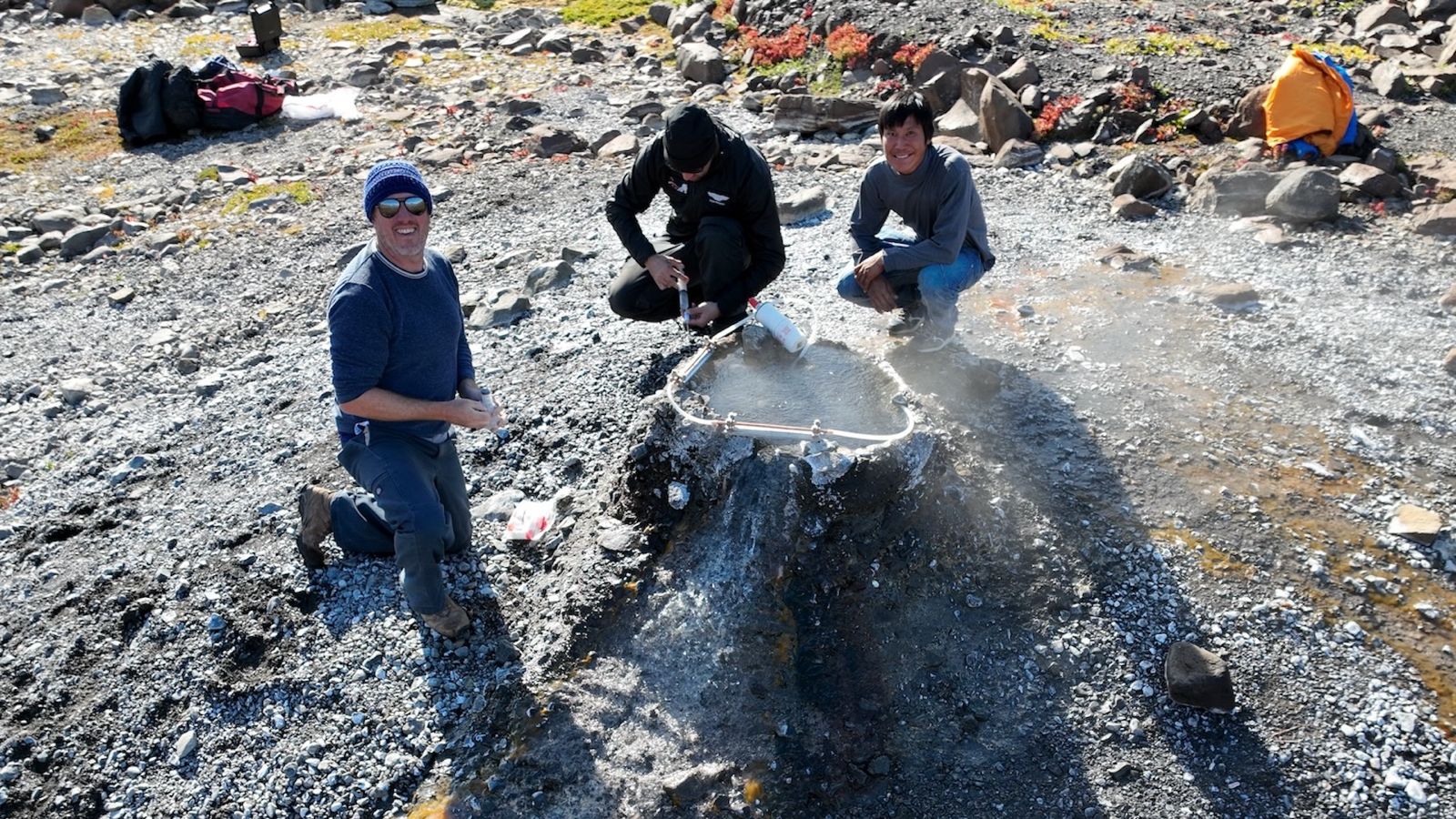
Companion reporting highlights candidate geologic sources and ongoing efforts to pinpoint eruption provenance. While the exact volcano remains unidentified, converging data on sulfur spikes in ice cores and synchronized growth anomalies in European trees support a major eruption event. The hypothesis reframes the pandemic as a product of climate‑commerce‑pathogen interplay rather than a purely biological outbreak.
Major takeaways
Climate trigger: A mid‑1340s volcanic eruption likely induced cooling and aridity that destabilized ecosystems and routes.
Trade route shifts: Caravans rerouted toward the Black Sea, amplifying exposure to plague reservoirs and transmission chains.
Evidence stack: Tree rings, ice cores, and archival records align to map the chain reaction into Europe.
Unknown provenance: The exact volcano remains unidentified; geochemical and proxy work continues.
Systemic lens: The Black Death emerges as a coupled climate–ecology–commerce event, not a single‑cause catastrophe.
Notable updates
Interdisciplinary synthesis: Historians and geoscientists co‑analyzed documentary sources with climate proxies for the most comprehensive timeline to date.
Policy relevance: The research underscores how environmental shocks can restructure global systems and disease dynamics—a cautionary parallel for modern supply chains.
Future work: Targeted geochemical fingerprinting may identify the eruption site and refine the chronology.
Conclusion
The “1345 eruption” hypothesis reframes the Black Death as a cascading systems failure: climatic upheaval redirecting trade into pathogen‑rich zones, catalyzing one of history’s deadliest pandemics. It’s a stark reminder that environmental shocks can reorder economies—and unravel public health—at continental scale.
Sources: University of Cambridge; DW (Deutsche Welle); Türkiye Today.