





Scientists have discovered massive carbon-free helium reservoirs in ancient geological formations, offering a clean alternative to fossil fuels. These findings could revolutionize energy production, reduce carbon emissions, and reshape global supply chains. With helium’s critical role in medical, space, and tech industries, the discoveries mark a turning point in sustainable energy exploration.
The global energy landscape may be on the brink of transformation. Recent studies reveal the existence of large carbon-free helium reservoirs trapped in ancient rocks beneath the Earth’s crust. Unlike conventional helium production, which is tied to natural gas extraction and heavy carbon emissions, these reservoirs represent a clean, independent source of the element.
Helium, often overlooked outside of balloons and party décor, is vital for medical imaging, semiconductor manufacturing, nuclear fusion research, and space exploration. Traditionally, helium has been produced alongside fossil fuels, making its supply both environmentally costly and geopolitically sensitive. The discovery of carbon-free reserves could decouple helium from fossil fuel dependency, potentially accelerating the decline of oil and gas reliance.
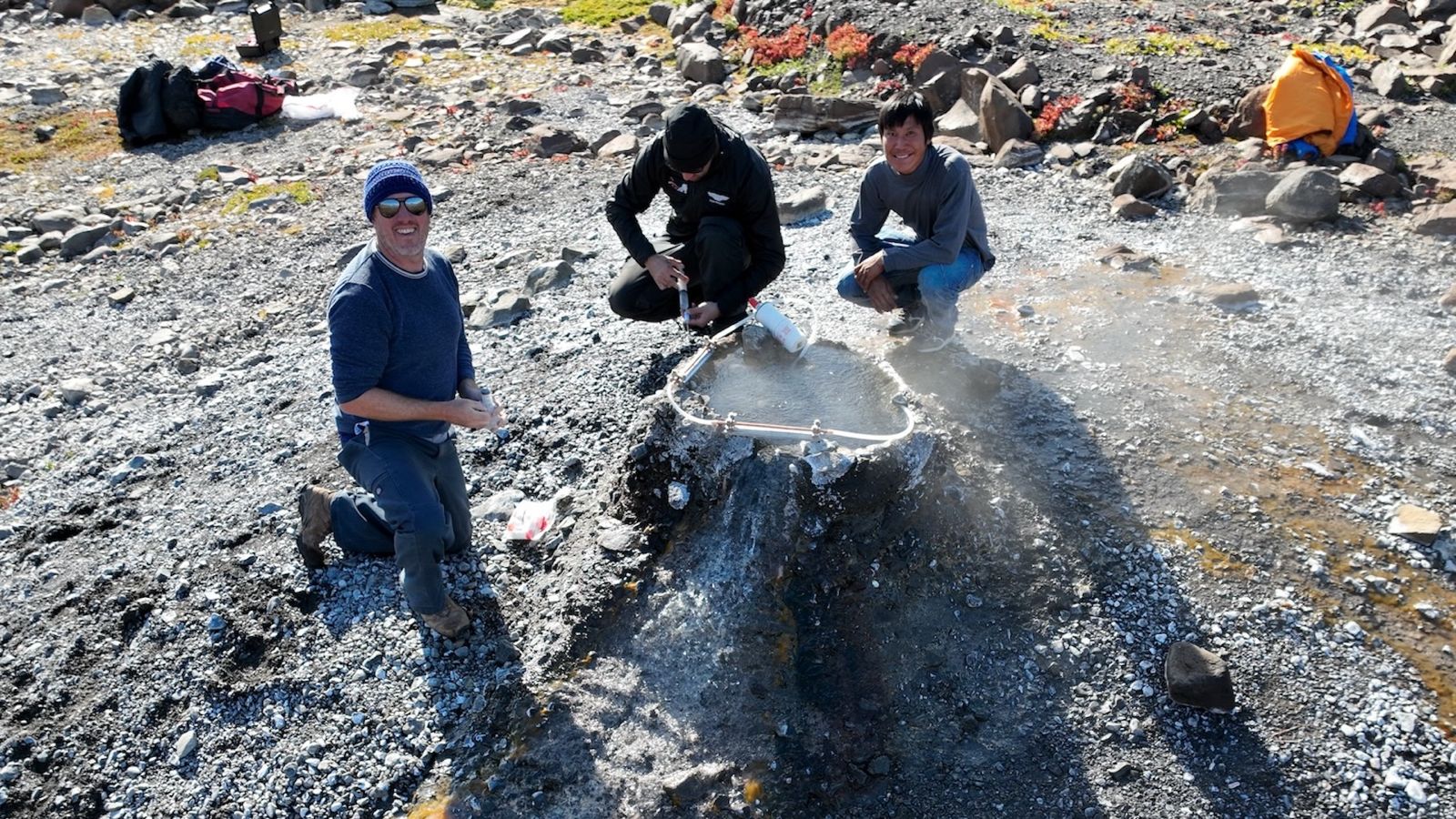
Researchers from Pulsar Helium have conducted surveys in East Greenland, while other studies point to promising reserves in Yellowstone’s geothermal landscape, India, and Tanzania. Early findings suggest these reservoirs could meet global demand for decades, while drastically cutting emissions.
Major Takeaways
Clean Source Identified: Carbon-free helium reservoirs found in ancient geological formations.
Global Impact: Could reduce reliance on fossil fuels and reshape energy supply chains.
Industrial Importance: Helium is critical for healthcare, semiconductors, nuclear fusion, and space tech.
Geographic Spread: Discoveries reported in Greenland, Yellowstone, India, and Tanzania.
Sustainability Boost: Decoupling helium from natural gas extraction lowers carbon footprint significantly.
Notable Updates
Yellowstone Study: Estimates suggest geothermal vents may leak 66 tons of helium annually.
Pulsar Helium Surveys: Positive results in Greenland point to commercially viable reserves.
Global Shortage Addressed: New reservoirs could ease looming helium scarcity.
Energy Transition: Experts argue helium could complement renewables in a post-fossil fuel era.
Conclusion
The discovery of carbon-free helium reservoirs signals a potential paradigm shift in global energy. By offering a clean, abundant, and strategically vital resource, these findings could not only end helium’s dependence on fossil fuels but also accelerate the broader transition toward sustainable energy systems. The race to tap these reserves has already begun.
Sources: Live Science, Gadgets360, Down to Earth.