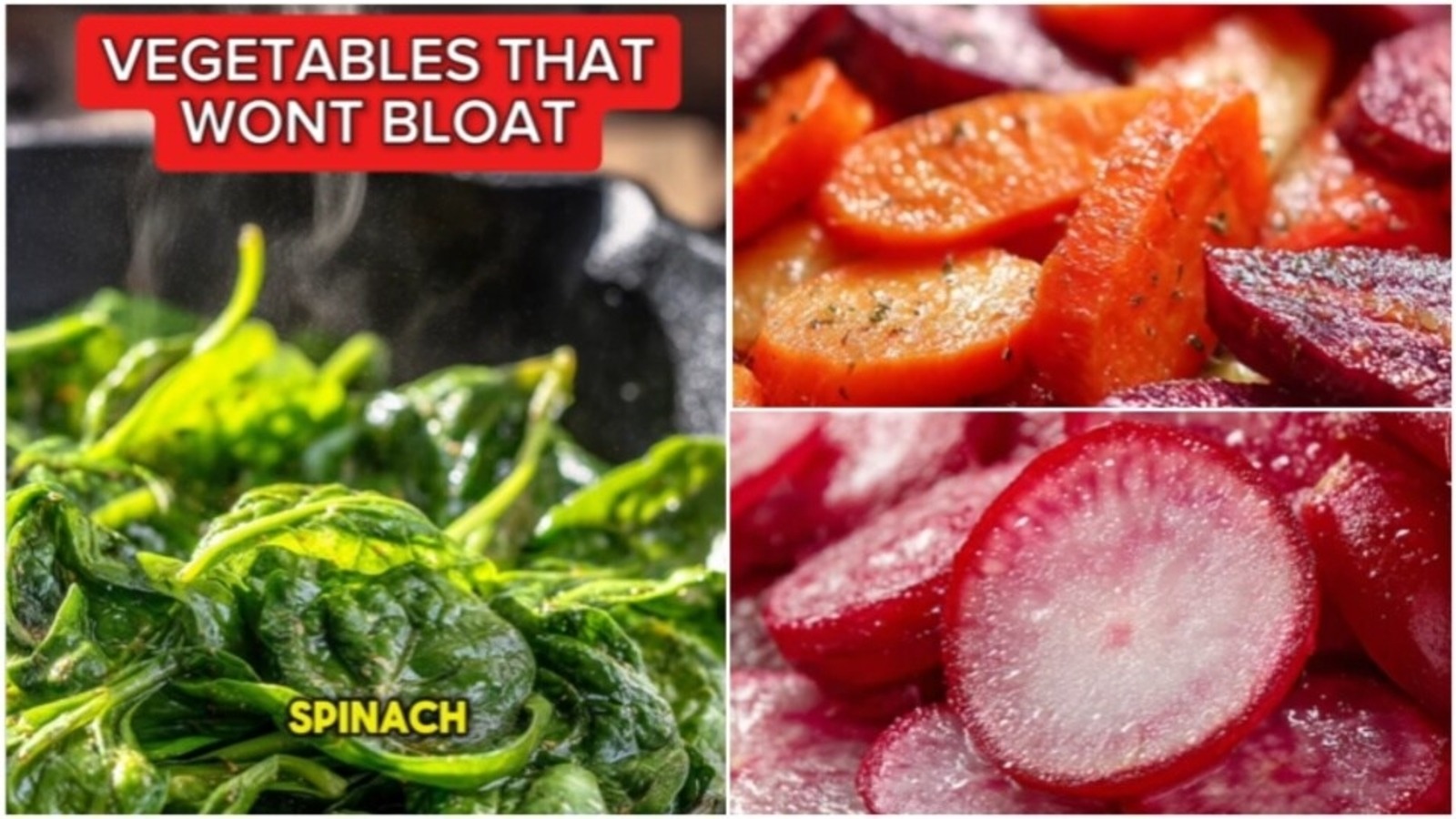

Many people avoid vegetables due to bloating and gas, but Florida-based gastroenterologist Dr. Joseph Salhab explains that the culprit is often fermentable carbohydrates called FODMAPs. By making smart swaps and adjusting portion sizes, you can enjoy nutrient-rich veggies without digestive discomfort.
Why Vegetables Cause Bloating
Certain vegetables like broccoli, cauliflower, cabbage, and beans are high in FODMAPs, which ferment in the gut and produce gas. While these foods are healthy, they can trigger bloating in sensitive individuals.
Gut-Friendly Alternatives
Dr. Salhab suggests swapping high-FODMAP vegetables with gentler options such as zucchini, spinach, carrots, and bell peppers. These provide fiber and nutrients without overwhelming the digestive system. Cooking vegetables thoroughly and eating smaller portions can also reduce discomfort.
Practical Tips
Pairing vegetables with gut-friendly foods like rice or quinoa, staying hydrated, and chewing slowly can further ease digestion. The goal is not to eliminate vegetables but to choose wisely and balance intake for better gut health.
Key Highlights
-
High-FODMAP vegetables often trigger bloating and gas
-
Broccoli, cauliflower, and beans are common culprits
-
Gut-friendly swaps include zucchini, spinach, and carrots
-
Cooking and portion control reduce digestive discomfort
-
Hydration and mindful eating improve tolerance
Conclusion
Vegetables don’t have to be off-limits if they cause bloating. With smart swaps and mindful eating, you can enjoy their health benefits while keeping your gut comfortable and happy.
Sources: HealthShots, Firstpost, GH Web Desk