







Follow WOWNEWS 24x7 on:


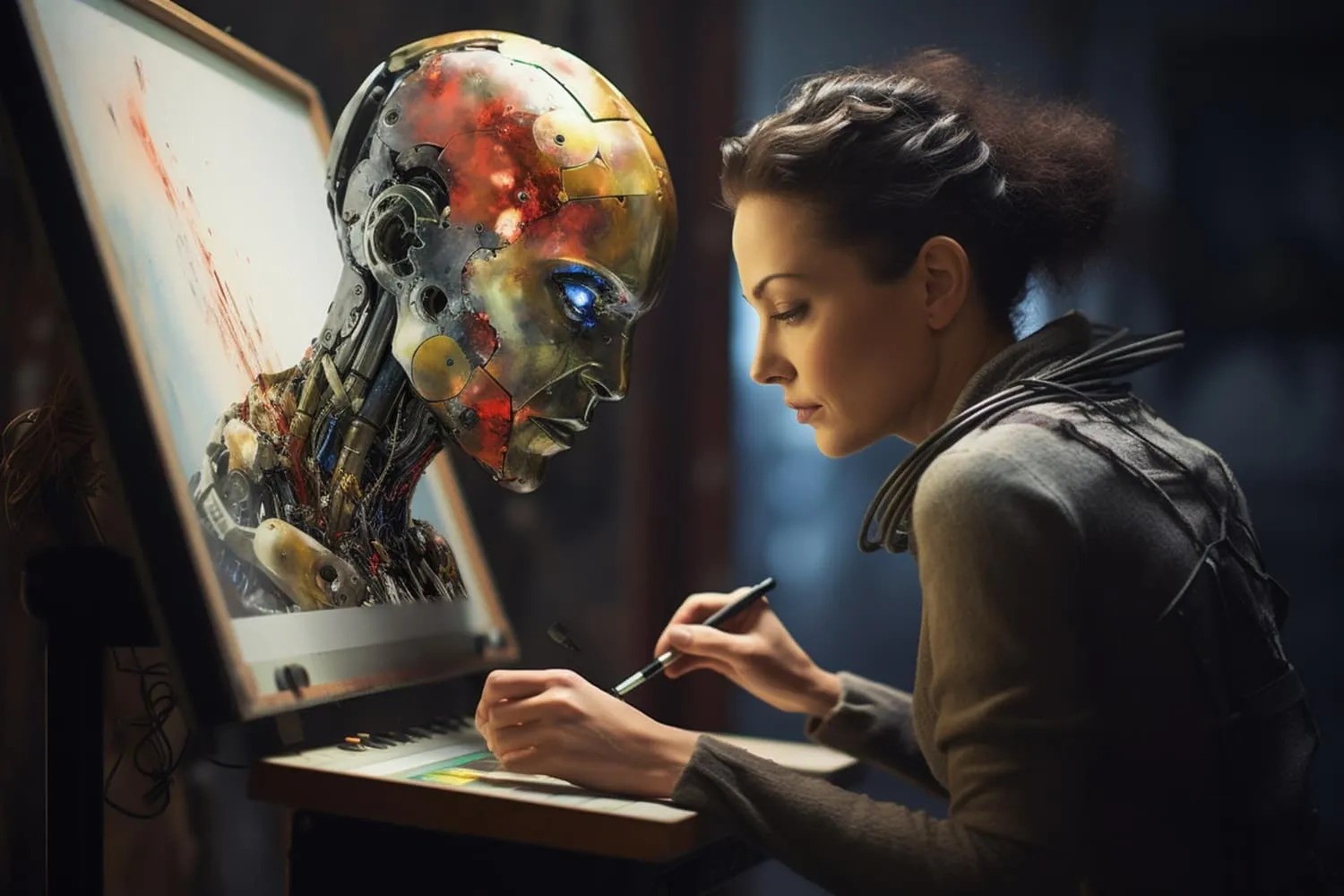
The debate over whether artificial intelligence can truly be considered an artist is intensifying. While AI systems can generate images, videos, and text with remarkable precision, critics argue that art requires lived experience, emotion, and human creativity qualities machines cannot replicate. Experts caution against equating algorithmic outputs with genuine artistic expression.
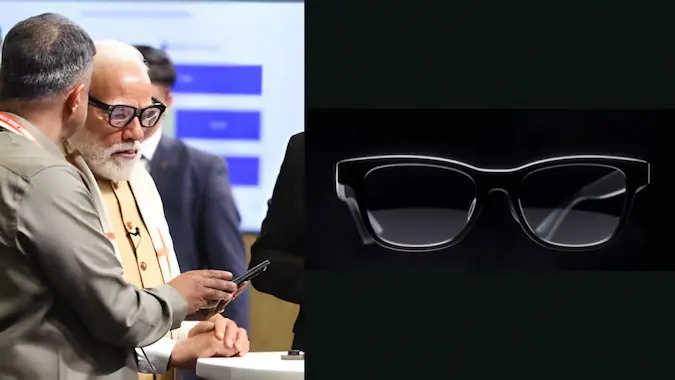
Show moreStay Ahead – Explore Now! PM Modi Dons Sarvam Kaze: India’s First AI Glasses Steal the Spotlight



Updated: February 18, 2026 18:18
Updated: February 17, 2026 18:19

Updated: February 15, 2026 18:16










Follow WOWNEWS 24x7 on:





Copyright 2024 WOWNEWS 24x7. All rights reserved. The WOWNEWS 24x7 is not responsible for the content of external sites. Read about our approach to external linking.
Powered By Just Imagine
