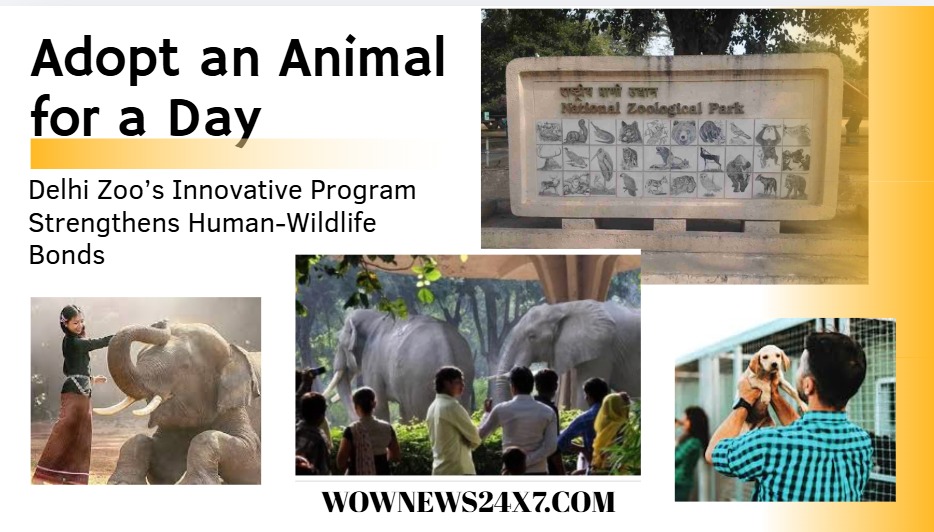







Delhi’s National Zoological Park has launched a unique single-day animal adoption program, allowing visitors to symbolically adopt animals for 24 hours. The initiative aims to boost awareness, strengthen human-animal bonds, and encourage conservation support. It also provides citizens with a chance to contribute directly to wildlife care and protection.
Key Highlights:
-
Delhi’s National Zoological Park has introduced a single-day animal adoption scheme, enabling visitors to adopt animals for 24 hours.
-
The initiative is designed to raise awareness about wildlife conservation, encourage public participation, and foster a sense of responsibility toward animals.
-
Visitors who adopt an animal for a day will receive a certificate of adoption, recognition at the zoo, and an opportunity to learn more about the species they support.
-
The program covers a wide range of animals, including lions, tigers, elephants, birds, and reptiles, making it accessible to diverse interests.
-
Zoo officials emphasized that the scheme is not just symbolic it helps generate funds for animal welfare, habitat enrichment, and veterinary care.
Contextual Insight:
The single-day adoption program is a first-of-its-kind initiative in India, blending education with engagement. By allowing short-term symbolic adoption, the zoo makes conservation more approachable for families, students, and tourists. It also provides a gateway to long-term adoption programs, encouraging sustained support for wildlife protection.
Public Impact:
For citizens, the scheme offers a memorable experience the chance to connect with animals beyond a casual visit. It transforms spectators into active participants in conservation, instilling empathy and awareness. The initiative is expected to attract school groups, NGOs, and corporate sponsors, creating a community-driven conservation model.
Broader Significance:
Globally, zoos have experimented with adoption programs to fund animal care and conservation projects. Delhi Zoo’s single-day adoption aligns with this trend, positioning India’s capital as a leader in innovative conservation practices. The program also supports India’s broader mission of wildlife protection and biodiversity preservation.
Investor & Policy Angle:
While primarily aimed at awareness, the initiative also has economic implications. Increased footfall, adoption fees, and sponsorships can strengthen the zoo’s financial sustainability. Policymakers see this as a model that could be replicated across other Indian zoos, enhancing conservation funding nationwide.
Sources: The Times of India, Hindustan Times, ANI