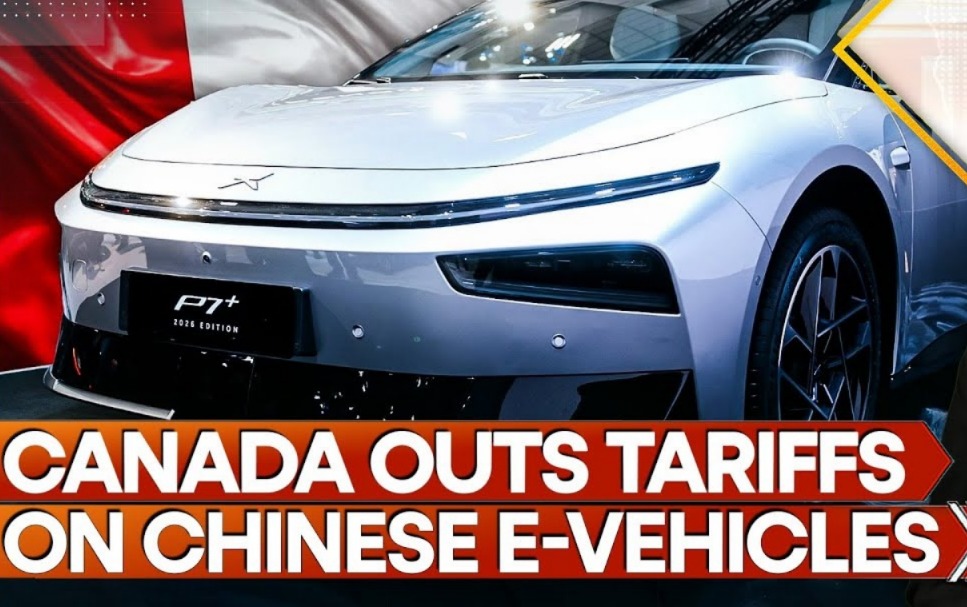









Breaking with U.S. policy, Canada has agreed to reduce tariffs on Chinese electric vehicles in exchange for lower duties on Canadian farm products. The deal, announced by Prime Minister Mark Carney after meetings in Beijing, opens Canada’s auto market while securing relief for canola, seafood, and other exports.
Trade Deal Announcement
Prime Minister Mark Carney confirmed that Canada will cut its 100 percent tariff on Chinese EVs to 6.1 percent under a quota system allowing up to 49,000 vehicles annually. In return, China will lower tariffs on Canadian canola seeds to 15 percent and remove duties on canola meal, lobsters, crabs, and peas until at least the end of 2026.
Economic And Political Context
The agreement marks Canada’s first major trade reset with China in nearly a decade, diverging from Washington’s tougher stance on Chinese imports. While business groups welcomed the move as a boost for Canadian exporters, critics warned of risks to domestic auto workers and long-term competitiveness.
Key Highlights
-
Tariffs on Chinese EVs cut from 100 percent to 6.1 percent
-
Quota allows up to 49,000 EVs annually, rising gradually over five years
-
China lowers tariffs on Canadian canola, seafood, and peas
-
Deal signals Canada’s shift toward deeper trade ties with China
-
Critics caution about impact on Canadian auto industry and jobs
Impact And Reflection
The deal underscores Canada’s balancing act between trade diversification and domestic industry protection. By opening its auto market while securing agricultural concessions, Ottawa aims to strengthen economic ties with Beijing and reduce reliance on U.S. trade policy.
Final Takeaway
Canada’s tariff deal with China highlights a strategic pivot in global trade, blending opportunity with caution for both exporters and manufacturers.
Sources: The Hindu, CBC News, Economic Times