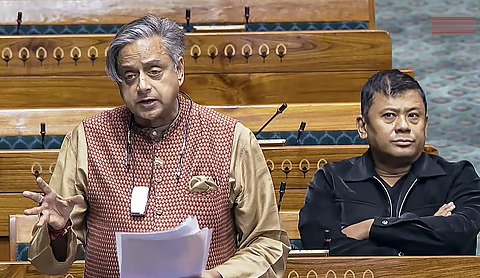






The Congress party has sharply criticized the passage of the Nuclear Bill in Parliament, alleging it was bulldozed without adequate debate. The opposition claimed the move was aimed at helping Prime Minister Narendra Modi restore ties with a “once good friend” under the guise of ‘SHANTI’. The government defended the bill as vital for India’s energy future.
The passage of the Nuclear Bill in Parliament has sparked a political storm, with the Congress party accusing the government of rushing the legislation without proper discussion. The opposition alleged that the bill was pushed through to serve diplomatic interests rather than national priorities, framing it as a move to restore “SHANTI” with a former ally.
Key highlights from the announcement include
-
Congress leaders claimed the bill was bulldozed, bypassing parliamentary norms and debate.
-
The party alleged that the legislation was designed to benefit Prime Minister Modi’s diplomatic agenda with a “once good friend.”
-
The term “SHANTI” was used by Congress to suggest the government’s attempt at reconciliation through the bill.
-
Opposition members argued that the bill lacked transparency and failed to address critical safety and accountability concerns.
-
The government defended the bill, stating it was essential for India’s nuclear energy expansion and future energy security.
-
Supporters of the bill emphasized its role in diversifying India’s energy mix and reducing dependence on fossil fuels.
-
The debate highlighted deep divisions between the ruling party and opposition over legislative processes and priorities.
-
Political analysts noted that the controversy reflects broader tensions in Parliament over the pace and manner of passing key bills.
The Nuclear Bill’s passage underscores the government’s push for rapid legislative action, while opposition parties continue to raise concerns about transparency and democratic debate. As India looks to expand its nuclear energy footprint, the political discourse around the bill reveals the intersection of energy policy, diplomacy, and parliamentary procedure.
Sources: The Hindu, Indian Express, NDTV, Deccan Herald