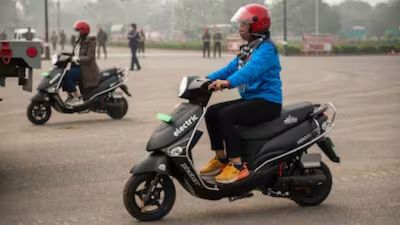





The Delhi government is preparing a new Electric Vehicle (EV) policy to combat rising pollution levels. Under the draft, bikers switching from petrol to electric two-wheelers may receive subsidies of ₹35,000–₹40,000. Commercial three-wheelers and cars priced up to ₹20 lakh will also benefit, signaling a major push for clean mobility.
Delhi is set to roll out a comprehensive EV policy in January 2026, aimed at tackling its severe air pollution crisis. The initiative, led by Chief Minister Rekha Gupta’s government, focuses on making EVs more affordable for the middle class while encouraging a large-scale shift away from petrol and diesel vehicles.
The draft policy proposes subsidies of ₹35,000–₹40,000 for bikers who transition to electric two-wheelers. Commercial three-wheelers will also receive heavy financial incentives, while cars priced up to ₹20 lakh may qualify for support. Alongside subsidies, the government plans stricter enforcement of PUC (Pollution Under Control) norms, expansion of electric bus services, and improved charging infrastructure across neighborhoods.
Notable Updates & Major Takeaways
Subsidy Relief: ₹35,000–₹40,000 for bikers switching to EVs.
Commercial Focus: Strong incentives for three-wheelers to adopt electric mobility.
Car Buyers: Petrol/diesel cars up to ₹20 lakh eligible for subsidies.
Pollution Control: Stricter PUC enforcement and revamped DTC bus routes.
Infrastructure Push: Plans for widespread EV charging stations and e-rickshaw regulations.
Conclusion
Delhi’s big EV push reflects urgent action against worsening air quality. By offering substantial subsidies and strengthening infrastructure, the government aims to make EVs a mainstream choice for households and businesses, positioning the capital as a leader in India’s clean mobility transition.
Sources: India Today, News18, ZeeBiz.