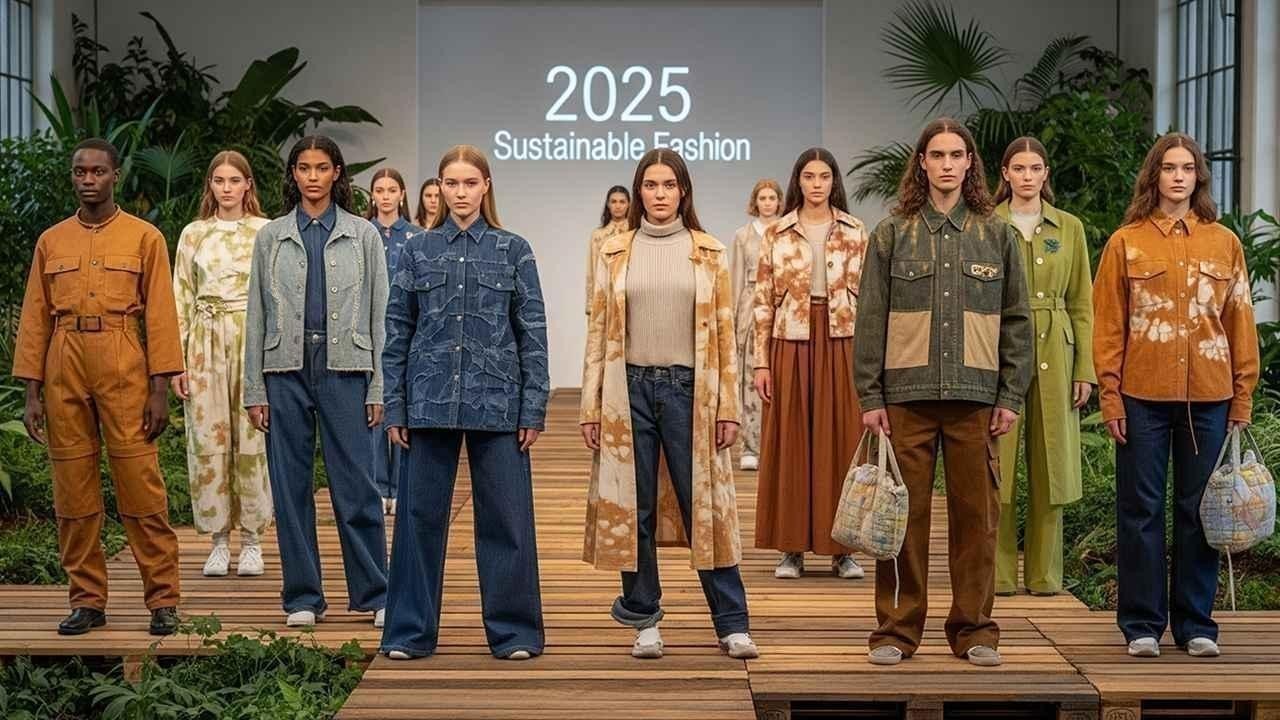



The global fashion industry in 2025 is witnessing a dramatic shift as sustainable practices become the new standard. Consumers and brands alike are embracing eco-friendly materials, ethical production, and circular fashion models, making style and environmental responsibility inseparable. This trend is not only reshaping wardrobes but also redefining the future of fashion.
Sustainable fashion is no longer a niche movement but a mainstream phenomenon in 2025. The industry is responding to mounting environmental concerns by adopting circular fashion models, upcycled clothing, and innovative materials such as mushroom leather, pineapple fibers, and algae-based textiles. Leading brands are moving away from fast fashion, instead focusing on timeless designs, transparency in supply chains, and fair labor practices. The rise of rental services, on-demand production, and AI-driven design tools further underscores the industry’s commitment to reducing waste and carbon emissions.
Consumers are increasingly demanding accountability and authenticity, driving brands to invest in regenerative agriculture, recycled materials, and digital innovations that minimize environmental impact. From Patagonia and Pangaia to smaller artisan labels, the market is seeing a surge in brands that prioritize durability, ethical sourcing, and eco-packaging. The global sustainable clothing market is projected to grow significantly, reflecting both regulatory changes and shifting consumer preferences.
Key Highlights
Circular Fashion & Upcycling
Brands are embracing circular models, encouraging garment recycling and upcycling to reduce landfill waste and extend the life of clothing.
Innovative Eco-Materials
New materials like mushroom leather, pineapple fibers, and lab-grown textiles are replacing traditional fabrics, offering sustainable alternatives with lower environmental footprints.
Transparency and Ethical Practices
Consumers now expect transparency in supply chains, fair wages, and safe working conditions, pushing brands to disclose their production processes.
Rental and On-Demand Models
Clothing rental services and made-to-order production are gaining popularity, helping to curb overproduction and waste.
Digital Design and AI Tools
Advanced digital tools are enabling more efficient, less wasteful design processes, and are being used to create modular, reconfigurable clothing.
Rising Market Growth
The sustainable fashion market is experiencing robust growth, with projections indicating a substantial increase in market size and consumer adoption over the next decade.
Source: NUL.Global, Browzwear, Trellis, Endless Affair, Ethik, UNIREC, GM Insights, Hayden Hill, EcoSkills, CleanHub, Geneva Environment Network, MIT News, Impakter, Research and Markets, Interwove, The Good Trade, Forbes, FashionUnited