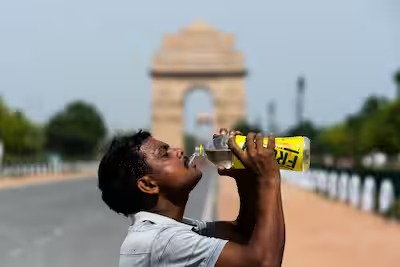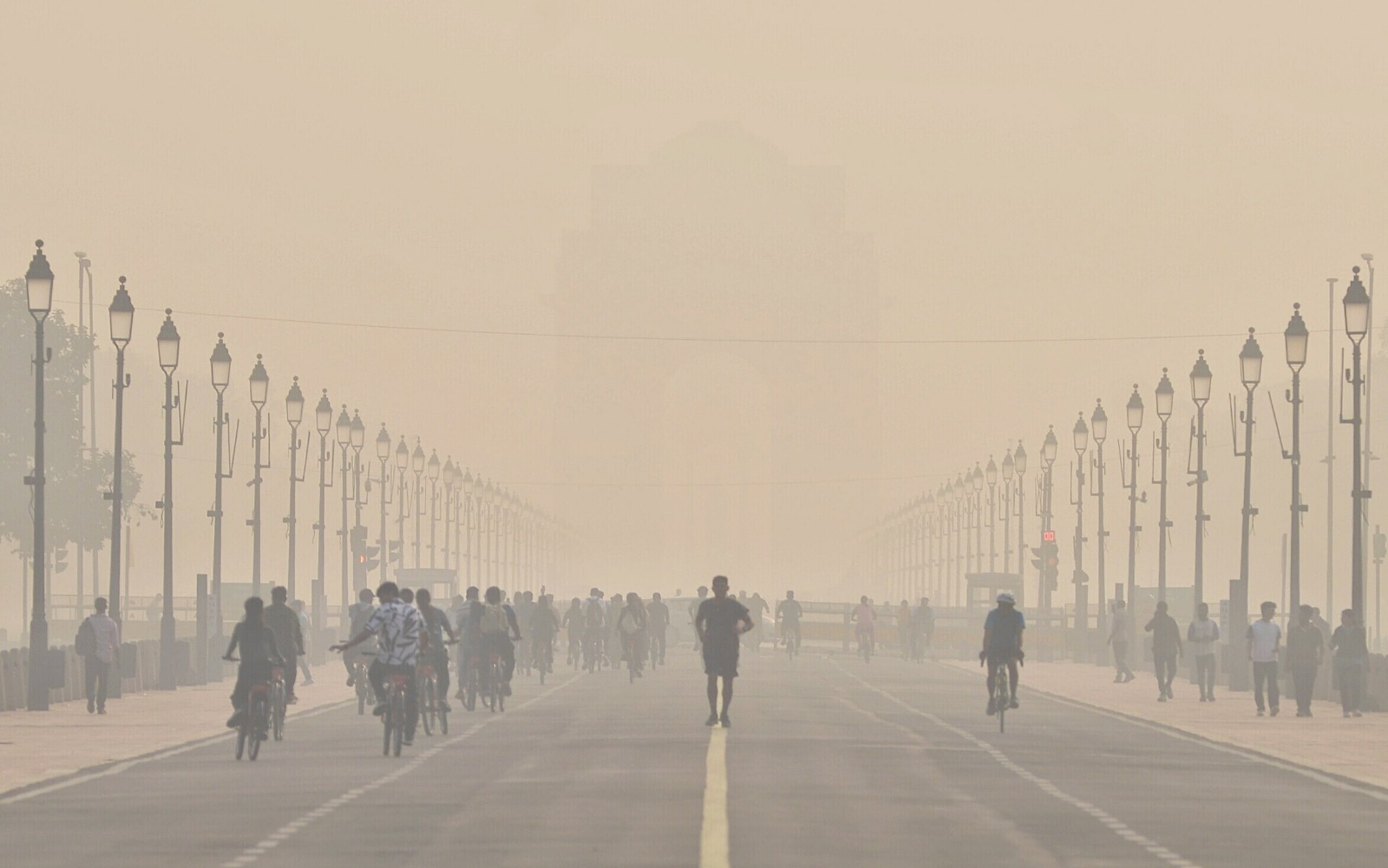




Delhi woke up to a smog-filled morning, with more than ten monitoring stations recording ‘severe’ air quality. Calm winds, temperature inversion, and accumulated emissions trapped pollutants near the surface, reducing visibility and elevating health risks. Authorities advise limited outdoor activity and mask usage as NCR hotspots show sustained deterioration.
A dense smog layer blanketed Delhi today, pushing multiple localities into the ‘severe’ AQI bracket. The spike is driven by winter meteorology—shallow mixing height, weak ventilation, and overnight inversion—compounded by traffic emissions and localized biomass burning. Morning commuters reported low visibility across corridors, while hospitals flagged a rise in respiratory discomfort among vulnerable groups.
Key Highlights:
- Air quality status: Over 10 areas registered ‘severe’ AQI, indicating hazardous exposure risks for sensitive and general populations.
- Meteorology at play: Calm winds and temperature inversion trapped pollutants, limiting dispersion and deepening the morning smog.
- NCR hotspots: Parts of Delhi, Noida, and Ghaziabad showed persistently poor-to-severe levels, extending the impact beyond city limits.
- Health advisory: Limit outdoor activity; use well-fitted masks; avoid strenuous exercise; prioritize indoor air filtration and ventilation discipline.
- Operations impact: Reduced visibility slowed traffic and logistics; authorities signaled readiness for graded response measures if conditions persist.
Delhi’s winter air episode underscores the need for coordinated action—tightening roadside enforcement, ramping up mechanical sweeping, accelerating clean fuel transitions, and transparent public advisories. Continued monitoring through the day will determine whether dispersion improves as wind speeds pick up.
Sources: Central Pollution Control Board (CPCB); SAFAR-India; India Meteorological Department (IMD); India Today; Business Standard