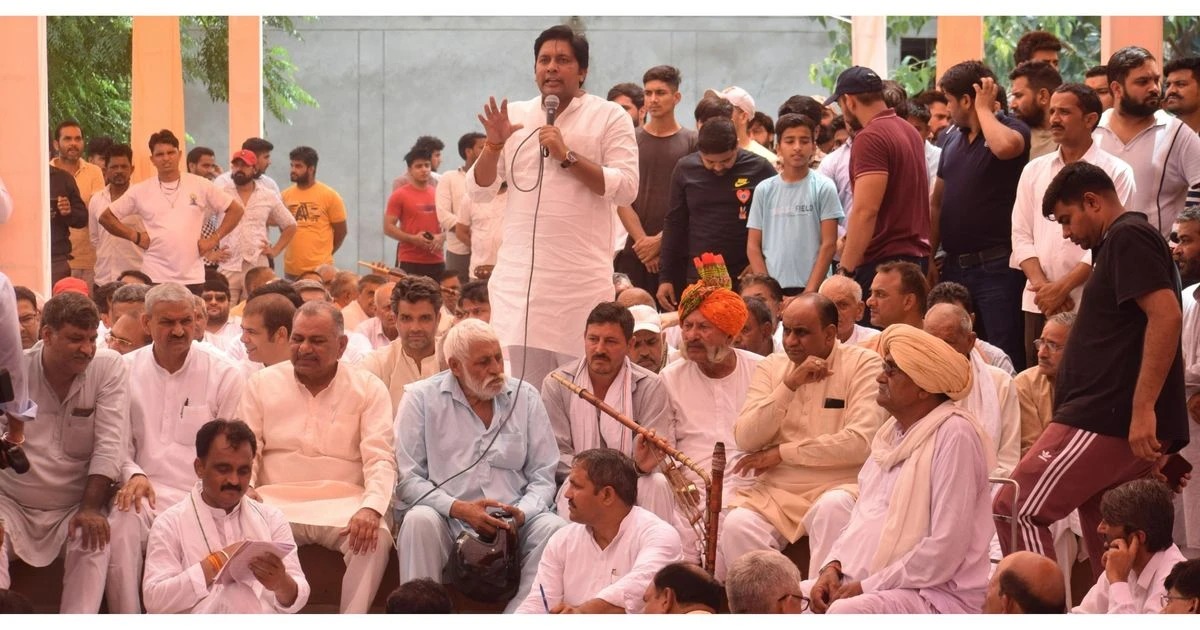






Image Source: Business Standard
India’s Gram Panchayats, empowered under the 73rd Constitutional Amendment, remain heavily dependent on state and central grants, with own-source revenue contributing just 6–7%. Experts argue it is time for panchayats to embrace entrepreneurial thinking—raising local revenue, innovating services, and driving grassroots development beyond government scheme implementation.
Show more
Inside the announcement
Despite constitutional powers under Article 243H to generate revenue, most Gram Panchayats rely on grants for 93–94% of their finances. This dependency has limited their ability to act as self-reliant local governments. A 2025 study by the National Institute of Public Finance and Policy (NIPFP) highlights the urgent need for fiscal innovation. The Ministry of Panchayati Raj, in collaboration with IIM Ahmedabad, has launched capacity-building programs to train panchayat leaders in financial management, entrepreneurship, and digital governance.
Notable updates
• Gram Panchayats empowered in 1992 under the 73rd Amendment for self-governance
• Own-source revenue contributes only 6–7% of finances nationally
• Majority of funds (93–94%) still come from state and central transfers
• NIPFP study calls for entrepreneurial models to boost fiscal independence
• Ministry of Panchayati Raj partners with IIM Ahmedabad for leadership training
• Push for digital governance, climate-smart villages, and women-led initiatives in states like Jharkhand
Major takeaway
India’s panchayats must evolve from passive implementers of schemes into entrepreneurial local governments. By innovating revenue streams, adopting digital tools, and fostering community-led enterprises, they can drive sustainable rural transformation and reduce dependency on external grants.
Sources: Business Standard, Zee News
Stay Ahead – Explore Now!
Rohini Election Battle: Vijender Gupta Ahead, AAP and Congress Struggle to Catch Up

Advertisement
Advertisement