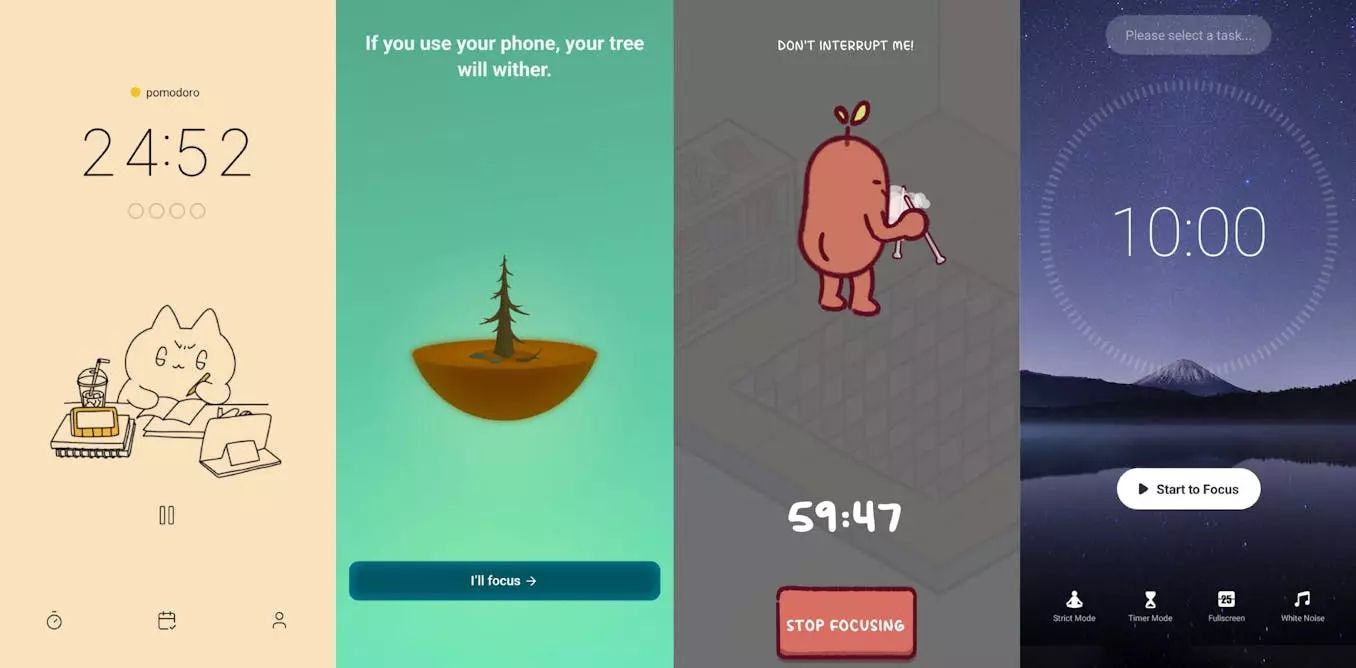

In an age of constant digital distraction, focus apps promise to improve productivity through timers, app-blocking, and gamification. While many users report short-term gains in concentration, experts caution that their effectiveness depends on self-regulation and consistent use. The debate continues over whether these apps truly deliver lasting productivity improvements.
Smartphones have become both indispensable tools and major sources of distraction. To counter this, developers have introduced a wave of focus apps—from Pomodoro timers to gamified platforms like Forest—that claim to help users stay on task. These apps employ techniques such as habit reminders, app blocking, and reward systems to encourage deep work.
Research suggests that while focus apps can provide short-term structure and motivation, their long-term impact is mixed. Experts argue that productivity gains often depend more on an individual’s ability to practice self-regulation and mindful technology use than on the apps themselves.
Still, many users find these tools valuable for creating accountability and reducing the temptation of endless scrolling.
Notable Updates and Major Takeaways
Focus apps use timers, app-blocking, and gamification to reduce distractions.
Short-term benefits: Improved concentration and task completion.
Limitations: Effectiveness depends on self-discipline and consistent use.
Popular examples: Forest, Focus To-Do, Pomodoro Cat.
Expert view: Apps are aids, not solutions; self-regulation remains key.
Conclusion
Focus apps can be helpful productivity companions, but they are not magic fixes. Their success lies in combining digital tools with personal discipline and mindful work habits.
Sources: ABC News, The Conversation, Devdiscourse