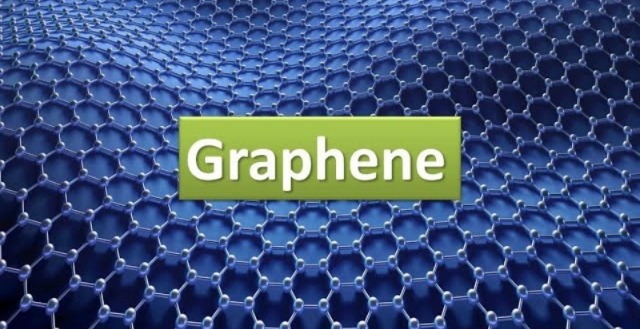








Image Source: YouTube
Researchers are pioneering sustainable methods to functionalize graphene, overcoming long-standing challenges of dispersibility and usability. By employing solvent-free mechanochemical synthesis and bio-derived nitrogen doping, scientists are creating advanced graphene materials that combine high conductivity with eco-friendly production, opening new pathways for energy, electronics, and environmental applications.
Show more
Graphene, often hailed as a wonder material, has struggled to move beyond laboratory hype due to difficulties in processing and functionalization. Traditional methods rely on harsh chemicals and multi-step procedures, limiting scalability and sustainability. A new breakthrough reported in ACS Sustainable Chemistry & Engineering demonstrates how solvent-free mechanochemical synthesis of bio-derived nitrogen-doped graphene nanoplatelets can deliver both performance and environmental responsibility. This innovation enhances dispersibility, conductivity, and compatibility with industrial applications, while reducing ecological impact.
Key Highlights
-
Solvent-free mechanochemical synthesis eliminates reliance on toxic chemicals
-
Bio-derived nitrogen doping improves conductivity and dispersibility of graphene nanoplatelets
-
Sustainable functionalization methods align with global push for green materials
-
Potential applications span energy storage, electronics, and environmental remediation
-
Breakthrough addresses scalability challenges that have limited graphene’s commercial adoption
Impact On Industry
The shift toward sustainable graphene functionalization could accelerate commercialization across multiple sectors. By combining performance with eco-friendly processes, researchers are positioning graphene as a cornerstone material for the next generation of green technologies, bridging scientific innovation with industrial viability.
Sources: Phys.org, ACS Sustainable Chemistry & Engineering
Stay Ahead – Explore Now!
Tariffs Slashed for Kiwi Goods, But India Protects Dairy, Sugar, and Caseins in New Trade Deal

Advertisement
Advertisement