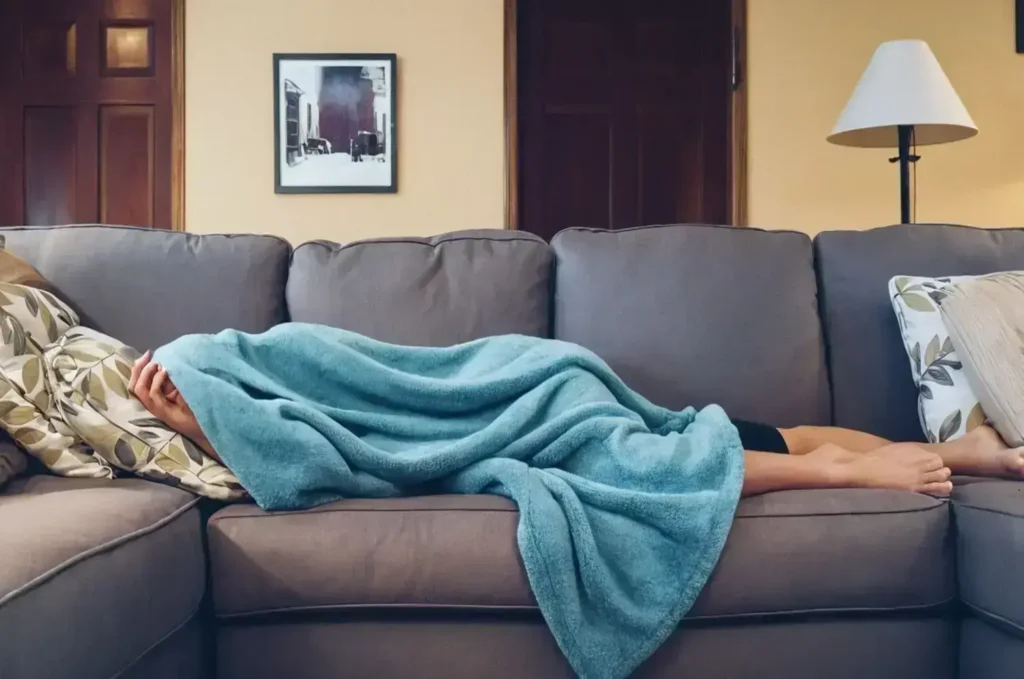

Psychologists highlight that people who prefer staying at home are not necessarily antisocial but often display traits like high self-awareness, creativity, emotional stability, and preference for meaningful relationships. Choosing solitude over social gatherings can enhance mental clarity, reduce burnout, and foster productivity. Experts stress the difference between solitude and isolation.
Why Staying Home Feels Right for Many
Recent psychological studies reveal that individuals who enjoy staying at home often thrive in quiet, controlled environments. This preference is linked to introversion, sensitivity, and reflective tendencies, which allow them to recharge emotionally and mentally. Far from being a sign of laziness, home-centered living can be a positive lifestyle choice.
Notable Updates / Major Takeaways
-
Self-Awareness: Homebodies often have strong introspection and value personal growth.
-
Creativity Boost: Solitude fosters imagination and deeper thinking.
-
Emotional Stability: Staying home reduces overstimulation and stress, promoting balance.
-
Meaningful Bonds: Preference for fewer but deeper relationships over casual socializing.
-
Mental Health Benefits: Avoids social burnout, enhances productivity, and supports recovery.
-
Key Distinction: Solitude is chosen and empowering, while isolation can be harmful if prolonged.
Sources: The Psychology of Staying Home (Gargbrijesh, 2025); Vancouver Is Awesome expert commentary; Psycho Hub analysis on solitude.