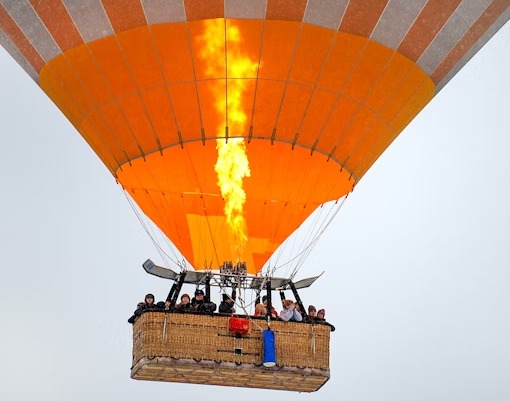







Flying a hot air balloon requires strict adherence to safety protocols, regulated fuel use, and compliance with aviation laws. From pilot training to equipment checks, every detail ensures passenger safety. Recent directives highlight the importance of LPG fuel management, DGCA oversight, and international standards guiding balloon operations in India.
Hot air balloons, often seen as symbols of leisure and adventure, are in fact highly regulated aircraft requiring meticulous preparation. As Hyderabad gears up for its Hot Air Balloon Festival, experts emphasize that keeping balloons airborne involves more than just heating air—it demands rigorous safety checks, specialized fuel systems, and compliance with national and international aviation standards.
Key highlights from the announcement include
-
Pilots undergo extensive training and certification under DGCA and Aero Club of India guidelines.
-
Fuel used is liquefied petroleum gas (LPG), stored in specialized cylinders with pressure relief valves to prevent leaks.
-
Recent FAA directives mandate replacement of certain fuel cylinder adaptors to avoid in-flight risks.
-
Pre-flight inspections include envelope integrity checks, burner functionality, and weather assessments.
-
Flights are permitted only under favorable wind conditions, with strict altitude and route monitoring.
-
National Air Sports Guidelines (NASG) and FAI Sporting Code provide global alignment for ballooning activities.
-
Passenger safety is prioritized with briefing sessions, emergency protocols, and insurance coverage.
Operating a hot air balloon is a blend of science, regulation, and skill. The pilot controls altitude by adjusting burner flames, while navigation depends on wind currents. Fuel efficiency and safety are critical, as uncontrolled leaks or poor weather can lead to forced landings. Regulatory bodies like DGCA in India and FAA globally ensure compliance, while international sporting codes set uniform standards.
With balloon festivals gaining popularity across India, the emphasis on safety and regulation ensures that the joy of floating above landscapes remains secure and sustainable. Behind every serene flight lies a complex framework of engineering, fuel management, and aviation law, making hot air ballooning both an art and a science.
Sources: The Hindu, Aero Club of India SOP, FAA Airworthiness Directive