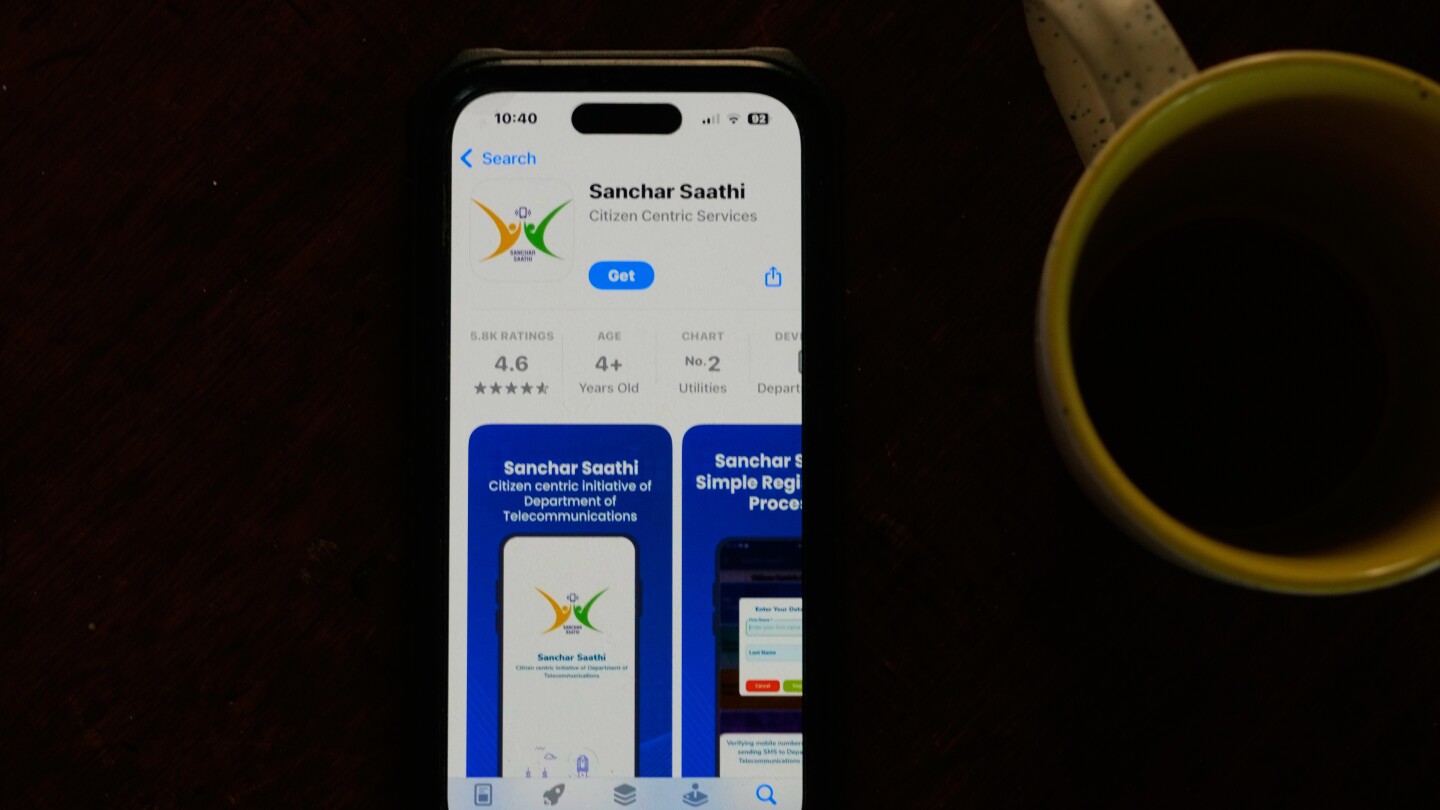








The Indian government’s directive to pre-install the Sanchar Saathi app on all new smartphones has sparked widespread criticism. Privacy advocates, opposition parties, and technology firms have raised concerns over surveillance, user rights, and constitutional validity. The government insists the app is essential to combat cybercrime and protect consumers.
The Ministry of Communications, through the Department of Telecommunications (DoT), has ordered smartphone manufacturers to pre-install the Sanchar Saathi app on all new devices within 90 days. The app, designed to track lost or stolen phones and prevent fraud, cannot be removed by users. While the government argues the measure is necessary to strengthen cybersecurity, critics warn it could open the door to mass surveillance and undermine consumer rights.
Key highlights from the announcement include
The directive was issued on November 28, 2025, under the Telecom Cyber Security Rules, 2024.
Smartphone makers including Apple, Samsung, Xiaomi, Vivo, and Oppo have been asked to comply within 90 days.
The Sanchar Saathi app is intended to help users block stolen phones and identify fraudulent SIM cards.
Opposition parties, including the Congress, have called the move unconstitutional and a violation of privacy.
Editorials in major newspapers and digital rights groups have denounced the order, citing risks of government overreach.
Apple has reportedly indicated it will not comply with the directive, raising questions about enforcement.
The app is designed as a permanent feature that cannot be deleted, intensifying concerns about user autonomy.
The government maintains that the initiative is aimed at combating rising cybercrime and ensuring consumer safety.
The controversy highlights the tension between national security and individual privacy in India’s digital ecosystem. While the government emphasizes the app’s utility in fighting fraud, critics argue that mandatory installation without opt-out provisions undermines democratic principles. The debate is expected to intensify as manufacturers and civil society push back against the directive.
Sources: The Business Standard, DW, Frontline (The Hindu)