India’s clean energy transition has surged, with non-fossil capacity now exceeding half of total installed power. Experts argue the next leap depends on empowering states—tailoring policy, grid, storage, and financing to local realities—so targets like 500 GW non-fossil by 2030 convert into reliable, affordable energy across diverse regions.
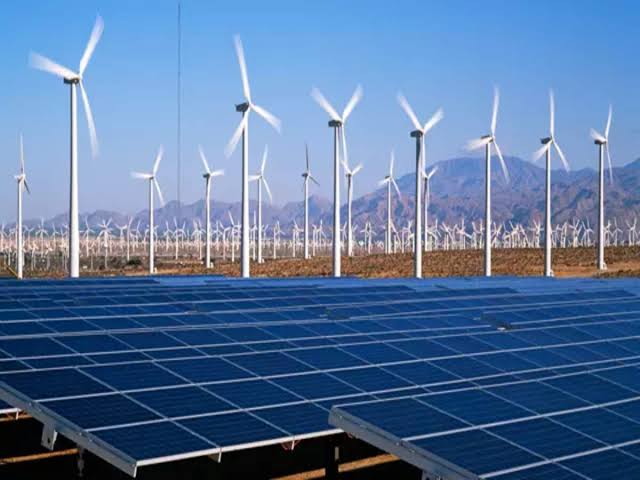
India’s energy landscape has transformed from chronic shortages to near-record peak demand of 250 GW being met with minimal disruption, thanks to national vision and decisive state action. The path to net zero will rely less on central mandates and more on local innovation, capacity, and execution by states leading on ground-level integration of renewables. Non-fossil installed capacity crossed 259 GW as of October 2025—more than 50 percent of total—driven by rapid solar growth from 3 GW in 2014 to nearly 130 GW today, marking a structural shift in India’s power mix.
A state-first approach is now visible in ambitious wind and hybrid roadmaps from Tamil Nadu, Gujarat, Rajasthan, Maharashtra, Karnataka, and Kerala—combining repowering, transmission upgrades, and storage to deliver firm, dispatchable renewable energy. These plans aim to align procurement, land, evacuation, and flexibility, essential to meet the 500 GW non-fossil target by 2030. Central implementing agencies have issued Letters of Award for over 67.5 GW since April 2023, underscoring momentum toward solar-plus-storage and firm renewable tenders, which require state-grid readiness for scale.
-
Key highlights
-
Non-fossil capacity crossed 259 GW by October 2025, exceeding 50 percent of total installed power.
-
Solar capacity reached about 129 GW, up from 3 GW in 2014, making it the largest renewable segment.
-
Near-record peak demand of 250 GW has been met with minimal disruption, reflecting grid resilience.
-
States unveiled wind and hybrid plans focused on repowering, transmission, and storage at Windergy India 2025.
-
Central goal remains 500 GW non-fossil by 2030, demanding coordinated state execution and investment.
-
REIAs issued 67.5 GW of LoAs since April 2023, signaling firm pipeline for storage-backed renewables.
-
Local innovation and regulatory alignment are pivotal for affordability, reliability, and speed of the transition.
The next phase will hinge on empowering states with policy flexibility, grid-modernization funding, and storage frameworks. With capacity milestones achieved early, translating ambition into firm, dispatchable energy requires state-led reforms in land, transmission, open access, and ancillary services to sustain India’s clean energy trajectory.
Sources: Business Standard; Mathrubhumi; PSU Connect; Press Information Bureau; Down To Earth