
Image Source: Business Standard
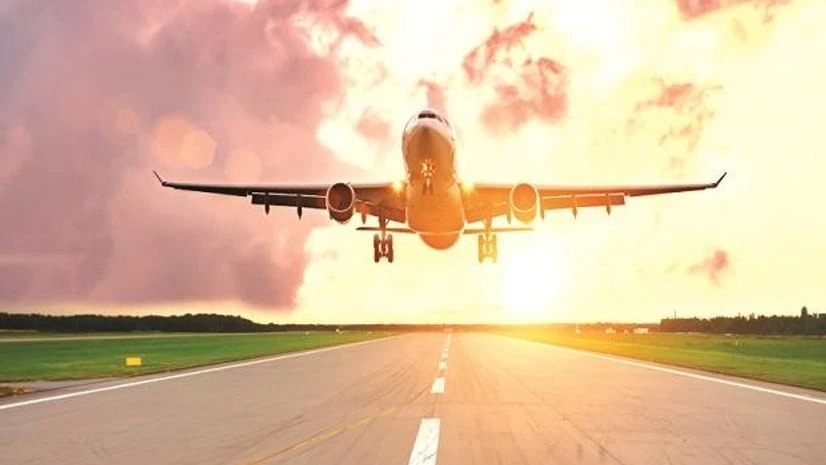
India’s aviation industry is expanding rapidly with new airports, mergers, and fleet growth, yet faces systemic hurdles. High fuel costs, regulatory constraints, and a price-sensitive market have created turbulence, leading to airline failures and operational crises. Despite ambitions, structural reforms remain critical for sustainable growth.
Show more
India’s aviation sector, once hailed as a growth engine, continues to grapple with contradictions between soaring ambitions and systemic constraints. While major developments such as the Air India–Vistara merger and new airport projects signal expansion, the industry remains vulnerable to high operating costs and persistent fare pressures.
Experts note that India is among the world’s highest-cost aviation environments, with aviation turbine fuel taxes and infrastructure bottlenecks weighing heavily on carriers. At the same time, political and consumer expectations for low fares limit profitability. This imbalance has led to repeated airline collapses, from Kingfisher and Jet Airways to Go First, underscoring structural weaknesses.
Key Highlights
-
India’s aviation market combines high input costs with low fare expectations
-
Air India–Vistara merger created a full-service carrier with over 300 aircraft
-
2025 saw turbulence with accidents, cancellations, and regulatory scrutiny
-
New airports and fleet expansions offer cautious optimism for 2026
-
Structural reforms needed to balance growth with financial sustainability
India’s aviation story reflects both promise and peril. Without addressing systemic inefficiencies, ambitions of becoming a global aviation hub may remain grounded despite impressive expansion plans.
Sources: Hindustan Times, ET Now, ET Infra
Stay Ahead – Explore Now!
Styrenix in the Spotlight: Tax Order Confirmed, Company Mulls Appeal

Advertisement
Advertisement