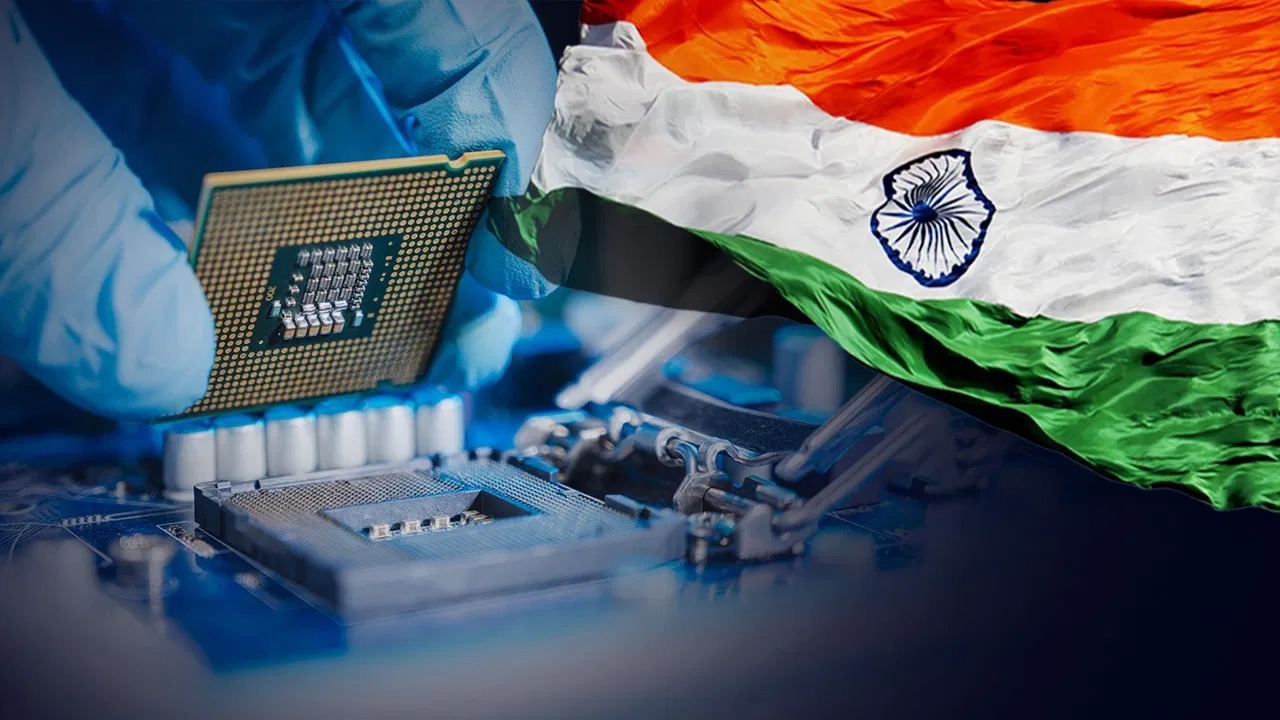




Image Source : Vivekananda International Foundation
India is accelerating its semiconductor push with a $10 billion incentive program, aiming to become a global hub for chip assembly, testing, and packaging. While domestic demand is set to double by 2030, experts question whether India can match the scale, talent, and technological depth of leaders like the US, Taiwan, and China.
Show more
India’s semiconductor ambitions are gaining momentum as the government positions the country as an alternative hub for global chipmakers seeking diversification beyond China. With domestic demand projected to surge from $50 billion today to $100 billion by 2030, India is investing heavily in assembly, testing, and packaging facilities.
Recent milestones include Gujarat-based Kaynes Semicon shipping chip modules to California, supported by Japanese and Malaysian partners under Prime Minister Narendra Modi’s $10 billion semiconductor incentive scheme. Yet, challenges remain: India lags in advanced fabrication nodes, talent depth, and ecosystem maturity compared to Taiwan’s TSMC, China’s state-backed giants, and US investments under the CHIPS Act.
Key Highlights:
- India’s semiconductor demand expected to reach $100 billion by 2030.
- $10 billion government incentive program launched in 2021 to attract global players.
- Kaynes Semicon shipped its first chip modules to the US in October 2025.
- India focuses on assembly, testing, and packaging rather than cutting-edge fabrication.
- Experts stress deeper ties with Taiwan and ecosystem development to compete globally.
India’s chip strategy is less about catching up overnight and more about building resilience, strategic autonomy, and a sustainable ecosystem.
Sources: Al Jazeera, Free Press Journal, Economic Times
Stay Ahead – Explore Now!
Vivo X300 Series Debuts In India With Flagship Specs And Premium Pricing

Advertisement
Advertisement