




Image Source : lamrenew.com
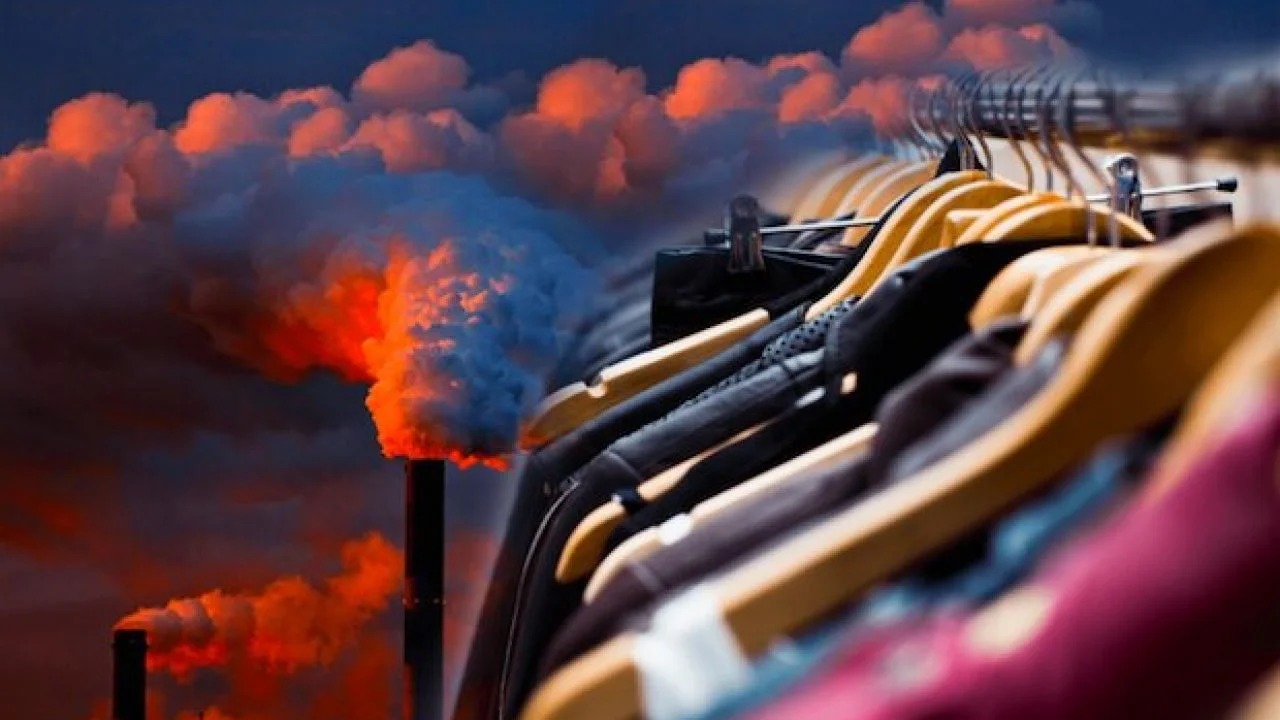
India’s fashion industry, while booming in scale and global influence, is under scrutiny for its environmental toll. Experts warn that unchecked growth, fast fashion practices, and resource-intensive production are accelerating climate damage. Urgent reforms in materials, manufacturing, and consumer behavior are needed to align fashion with India’s climate goals.
Show more
India’s fashion sector, valued at over $100 billion, is rapidly expanding—but its environmental footprint is drawing serious concern. From water-intensive textile production to chemical-laden dyeing processes and massive waste generation, the industry is contributing significantly to pollution and climate stress. As global temperatures rise and India faces extreme weather events, the need for sustainable fashion practices has become urgent.
Key highlights from the announcement include
-
India’s fashion industry is one of the largest contributors to textile waste and water pollution.
-
Fast fashion trends have led to overproduction, with garments often discarded after minimal use.
-
Synthetic fibers like polyester dominate production, releasing microplastics and increasing carbon emissions.
-
Dyeing and finishing processes consume vast amounts of water and discharge toxic effluents into rivers.
-
The industry accounts for nearly 10% of global carbon emissions from manufacturing.
-
Government initiatives like the Sustainable Fashion India 2025 roadmap aim to promote eco-friendly practices.
-
Leading Indian brands are adopting upcycled materials, biodegradable dyes, and slow fashion models.
-
Consumer awareness is rising, with demand growing for ethical and locally sourced apparel.
-
Digital fashion and virtual try-ons are emerging as low-impact alternatives to physical production.
-
Public-private partnerships are being formed to support green innovation and circular economy models.
While the fashion boom has elevated India’s global profile, it now faces a critical inflection point. Without systemic reforms, the sector risks undermining national climate targets and public health. Stakeholders—from designers and manufacturers to consumers and policymakers—must collaborate to redefine fashion as a force for sustainability, not destruction.
Sources: NetZero India, Kirnani Technologies Blog, Vyakti India Climate Report
Stay Ahead – Explore Now!
Pollution Peaks While Mercury Settles: Mumbai’s Weather Snapshot

Advertisement
Advertisement