








Follow WOWNEWS 24x7 on:


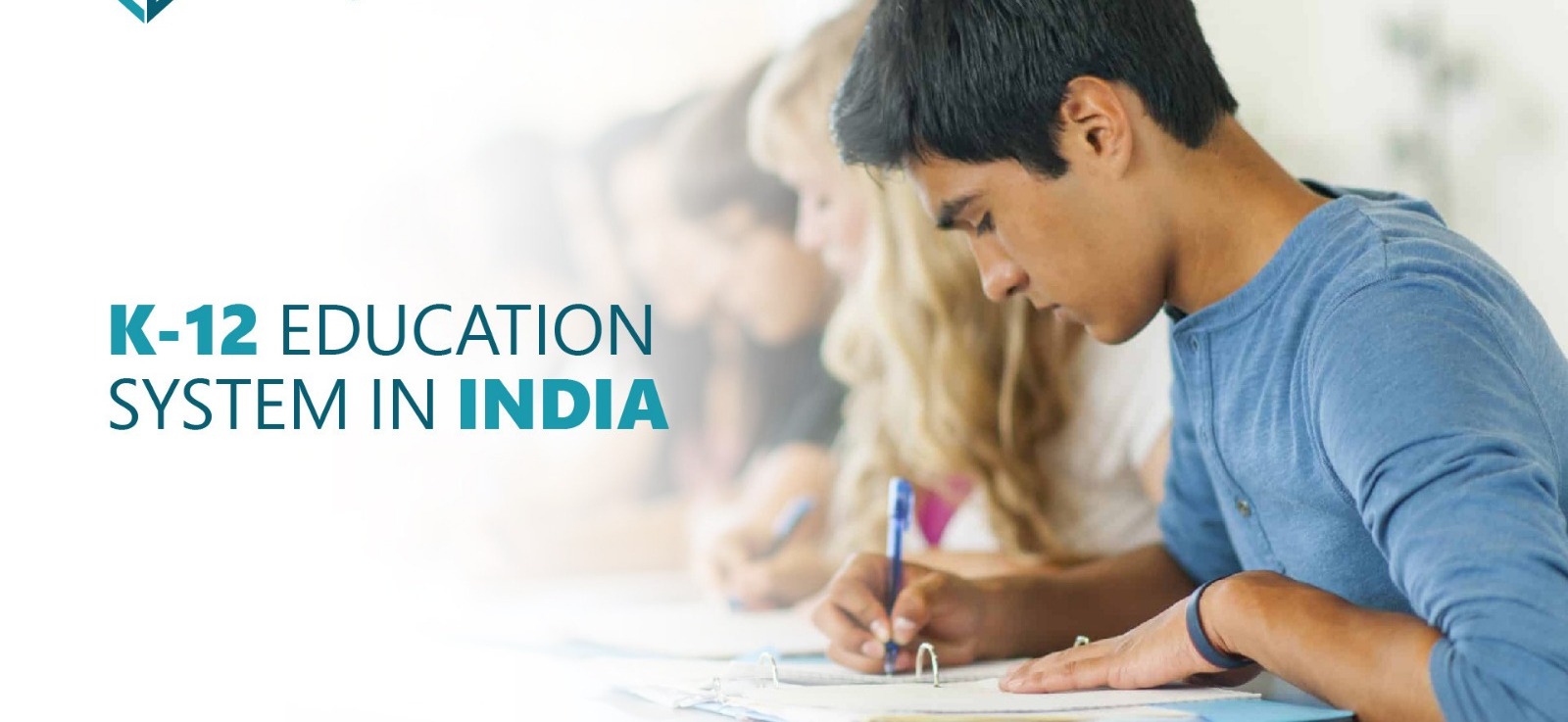
India’s K12 education system is rapidly embracing international curricula, with schools adopting globally recognized frameworks to prepare students for a connected world. These programs foster critical thinking, adaptability, and cross-cultural collaboration, ensuring learners gain not only academic proficiency but also global awareness and skills essential for future success.
Show moreStay Ahead – Explore Now! Academic Excellence Celebrated: Salem’s Universal Institutions Achieve Global Recognition



Updated: February 18, 2026 18:18

Updated: February 17, 2026 18:19

Updated: February 15, 2026 18:16













Follow WOWNEWS 24x7 on:





Copyright 2024 WOWNEWS 24x7. All rights reserved. The WOWNEWS 24x7 is not responsible for the content of external sites. Read about our approach to external linking.
Powered By Just Imagine
