





Lentils are rich in iron (6.6 mg per cooked cup), but as a plant-based source, they provide non-heme iron, which is absorbed less efficiently. Pairing lentils with vitamin C-rich foods and avoiding inhibitors like calcium or tannins can significantly boost absorption, making them a powerful ally against iron deficiency.
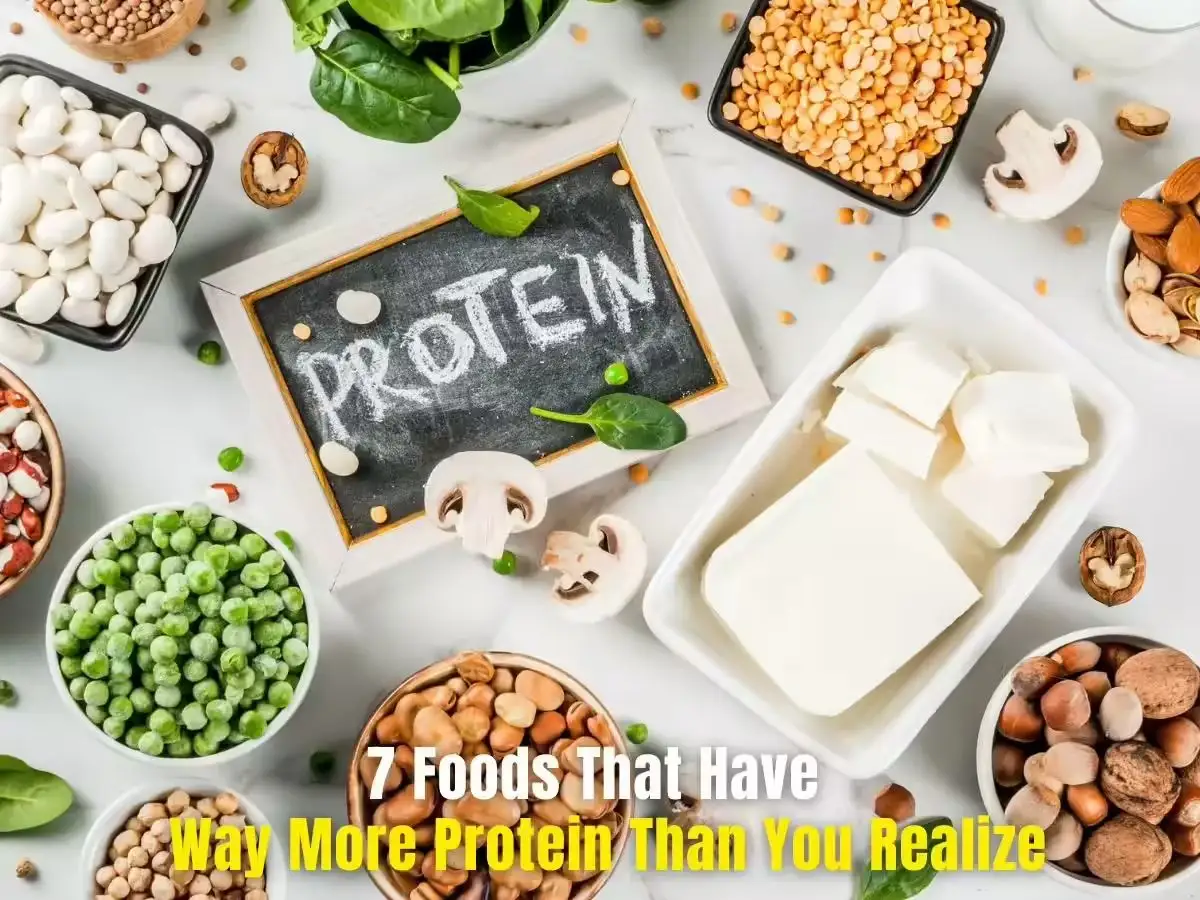
Lentils are a staple in vegetarian diets, offering protein, fiber, and essential minerals. According to Healthline, Human Brain Mapping Nutrition Review, and Listonic Diet Guides, lentils contain high iron levels but in a non-heme form, which the body absorbs at only 2–20% efficiency.
To improve absorption, experts recommend combining lentils with vitamin C-rich foods such as tomatoes, bell peppers, citrus fruits, or amla. Cooking methods also matter—soaking and sprouting lentils reduce phytates, natural compounds that block iron uptake. Avoiding tea, coffee, and calcium-rich foods during meals further enhances absorption.
Indian diets often pair lentils with tomatoes, spinach, or lemon juice, naturally boosting iron bioavailability. This makes lentils not only versatile but also effective in managing conditions like anemia when prepared thoughtfully.
Major Takeaways
-
Lentils provide 6.6 mg iron per cooked cup, but absorption is only 2–20%
-
Pairing with vitamin C foods (tomatoes, citrus, bell peppers) boosts absorption
-
Soaking and sprouting lentils reduce phytates that block iron uptake
-
Avoid tea, coffee, and calcium-rich foods during lentil meals
-
Indian cooking traditions naturally enhance iron absorption with smart pairings
-
Lentils remain a sustainable, nutrient-rich option for anemia prevention
Conclusion
Lentils are a nutritional powerhouse, but their iron benefits depend on preparation and pairing. By combining them with vitamin C-rich foods and mindful cooking techniques, individuals can unlock their full potential, making lentils a cornerstone of sustainable diets and effective anemia management.
Sources: Healthline, Human Brain Mapping Nutrition Review, Listonic Diet Guides