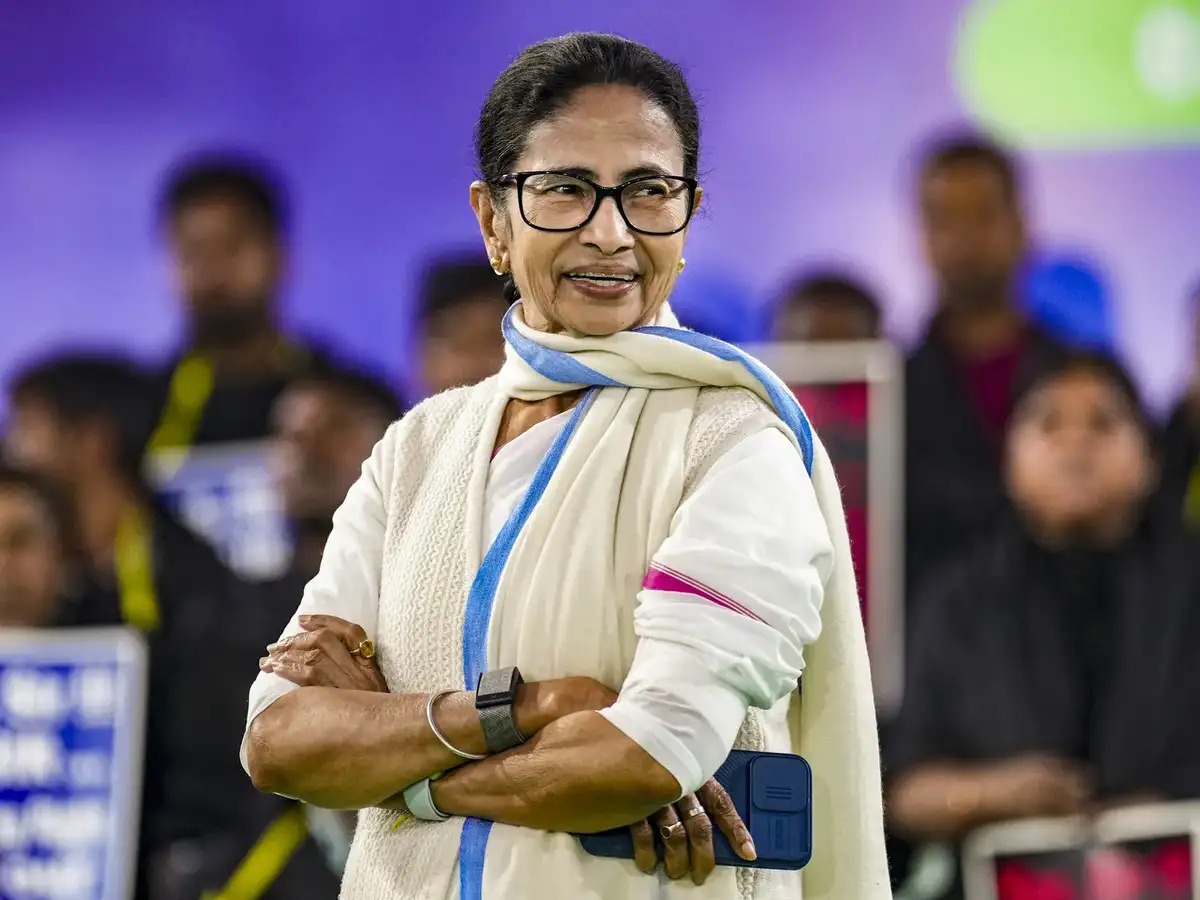

Mamata Banerjee’s political journey reflects her identity as a relentless fighter rather than a conventional politician. From leading street protests in Kolkata to representing herself in the Supreme Court, her career embodies defiance, resilience, and a refusal to outsource battles, shaping her image as India’s permanent political scrapper.
Mamata Banerjee, the Chief Minister of West Bengal, has long been recognized as one of India’s most combative political figures. Her biography, often described as that of a “street fighter,” captures the essence of her journey from grassroots activism to the highest echelons of power.
On February 4, 2026, Banerjee made history by appearing in the Supreme Court as both petitioner and pleader, underscoring her refusal to delegate the fight. This act was not an anomaly but a continuation of her political credo—she is a fighter who occasionally governs, not a politician who occasionally fights.
Her rise is rooted in the turbulent streets of Kolkata. In 1990, as a 35-year-old Youth Congress leader, she led a rally against rising bus fares, symbolizing her connection with students, laborers, and the urban poor. That moment, marked by violence and defiance, cemented her reputation as a leader unafraid of confrontation.
Analysts note that Banerjee’s political style thrives on protest and symbolism. Whether challenging central policies or defending her state’s autonomy, she has consistently mapped her struggles onto the anxieties of ordinary citizens, ensuring her relevance in Bengal’s volatile political landscape.
Key highlights from the biography include
-
Mamata Banerjee appeared in Supreme Court as petitioner and pleader
-
Her political identity rooted in grassroots activism and defiance
-
1990 Kolkata rally against bus fare hikes marked her rise as a firebrand leader
-
Known for refusing to outsource political battles, embodying resilience
-
Her style thrives on protest, symbolism, and connecting with everyday anxieties
Industry experts emphasize that Banerjee’s enduring appeal lies in her ability to transform personal battles into collective struggles. Her biography illustrates not just the making of a leader, but the making of a permanent scrapper who thrives in confrontation and defines politics through relentless fight.
Sources: India Today, The Indian Express, Wikipedia