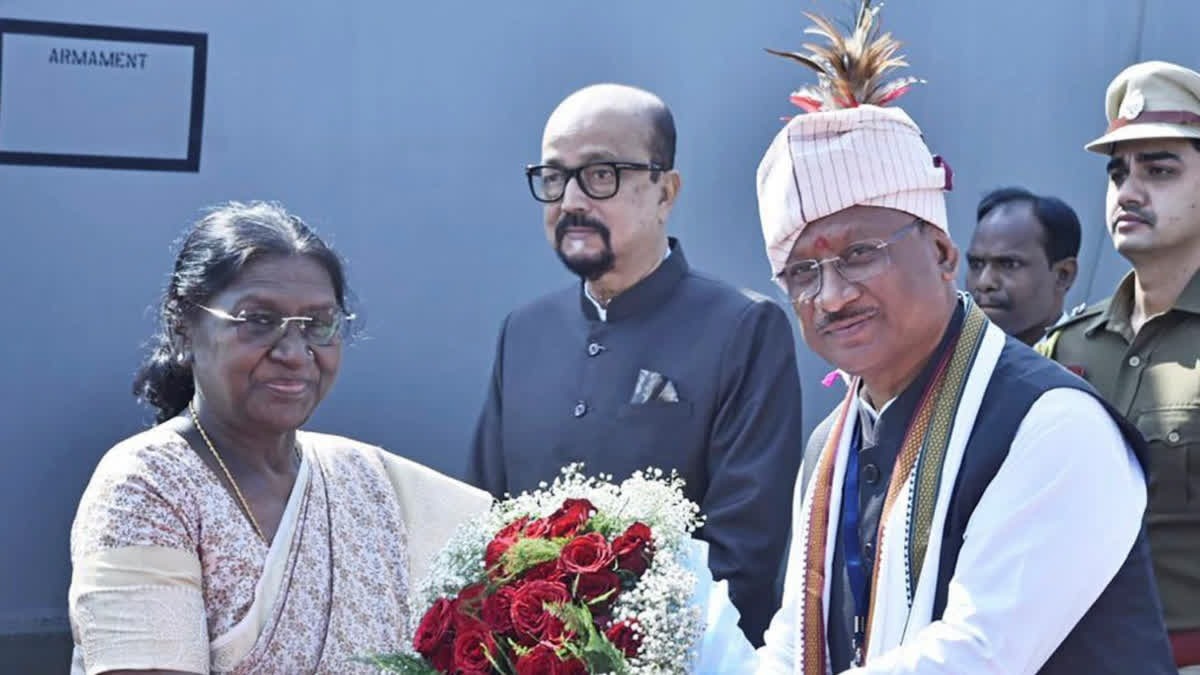
President Droupadi Murmu inaugurated Bastar Pandum 2026, a vibrant tribal festival in Chhattisgarh that showcases the region’s rich cultural traditions. The event highlights indigenous art, dance, and rituals, positioning Bastar as a hub of heritage tourism while reinforcing the government’s commitment to preserving tribal identity and promoting inclusivity.
Bastar Pandum 2026 opened with grandeur as President Droupadi Murmu inaugurated the festival, marking a significant moment for Chhattisgarh’s tribal communities. The annual celebration, deeply rooted in indigenous traditions, serves as a cultural platform to showcase Bastar’s unique heritage, including tribal art, crafts, music, and dance.
The President emphasized the importance of preserving tribal identity and traditions in the face of modernization. She noted that festivals like Bastar Pandum not only strengthen community bonds but also highlight India’s cultural diversity on a global stage. The event is expected to draw visitors from across the country, boosting tourism and local livelihoods.
Analysts point out that Bastar Pandum has evolved into more than a cultural gathering it is now a symbol of inclusivity, resilience, and pride for tribal communities. The government’s support for such festivals underscores its commitment to safeguarding indigenous traditions while integrating them into India’s broader cultural narrative.
Key highlights from the announcement include
-
President Droupadi Murmu inaugurates Bastar Pandum 2026 in Chhattisgarh
-
Festival showcases tribal art, crafts, music, and dance traditions
-
Event reinforces preservation of indigenous identity and cultural diversity
-
Expected to boost tourism and local economic opportunities
-
Symbol of inclusivity and resilience for tribal communities
Industry experts emphasize that Bastar Pandum is not only a celebration of heritage but also a strategic opportunity to promote sustainable tourism and cultural diplomacy. The festival positions Bastar as a vibrant hub of tribal traditions, strengthening India’s cultural fabric.
Sources: Hindustan Times, The Indian Express, Times of India, ANI News