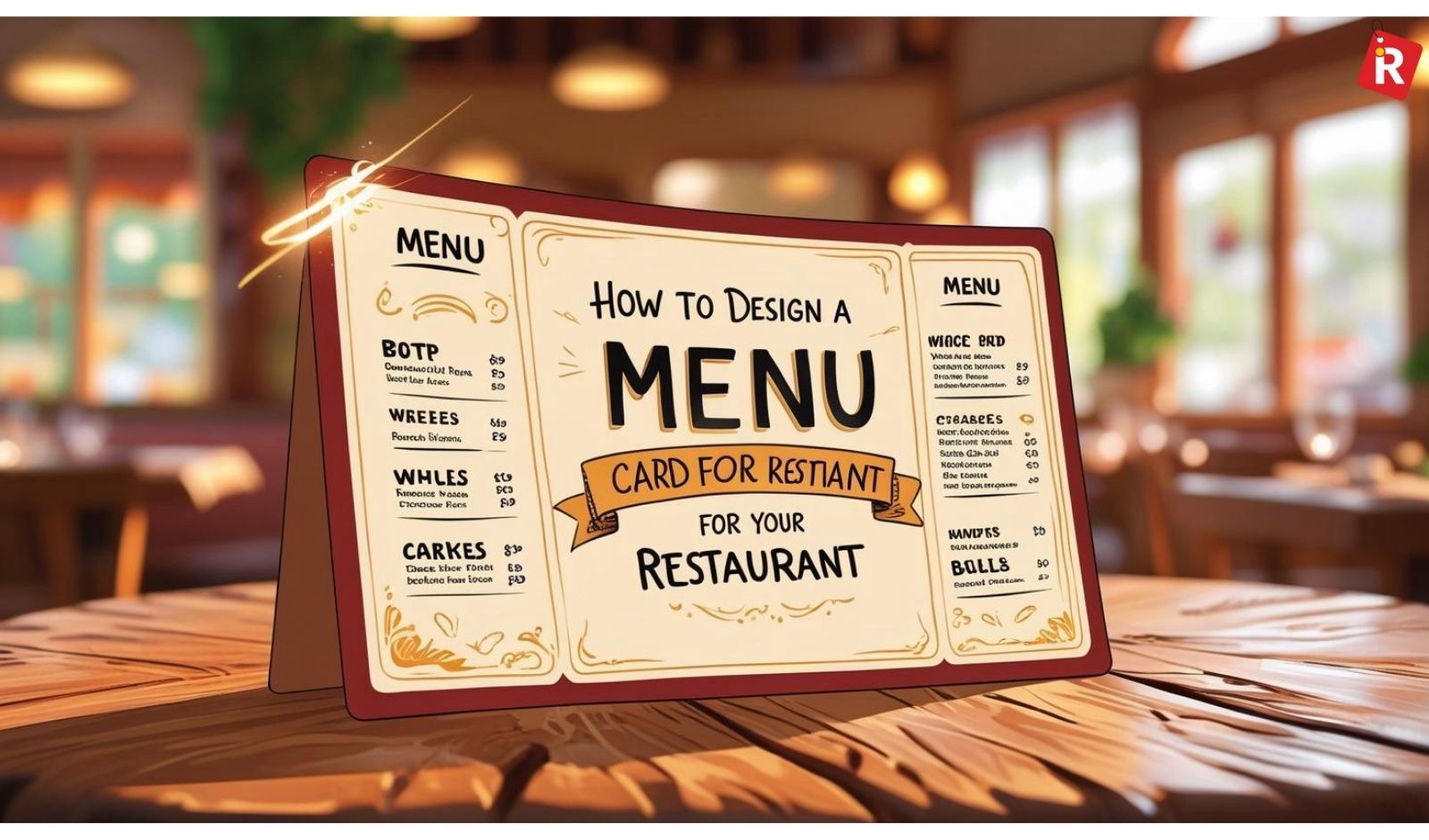







Indian restaurant menus have evolved from simple lists of dishes into immersive storytelling tools. Today’s menus reflect design innovation, digital integration, and cultural narratives. From collectible cocktail books to QR-code scans, menus now shape the dining experience, highlighting India’s shift toward atmosphere, emotion, and culinary identity in 2026.
Menus in India are no longer just functional guides—they’ve become the main character of dining experiences. According to recent reports, restaurants are embracing minimalist layouts, digital scans, and curated editions that reflect their brand identity and culinary philosophy.
This transformation mirrors India’s broader dining trends, where design, storytelling, and atmosphere are as important as the food itself. Menus now serve as cultural artifacts, offering diners not just choices but narratives about ingredients, traditions, and sustainability.
From The Bombay Canteen’s collectible cocktail books to QR-code menus that integrate seamlessly with digital platforms, the evolution underscores how Indian dining has become more immersive and experiential.
Major Takeaways
-
Menus evolved from heavy booklets to minimalist sheets and digital scans
-
Restaurants use menus as storytelling tools to reflect culture and brand identity
-
Collectible editions like The Bombay Canteen’s cocktail book redefine menu design
-
Dining in 2026 emphasizes atmosphere, emotion, and immersive experiences
-
Menus now highlight sustainability, heritage, and culinary innovation
Conclusion
The evolution of menu design in India reflects a deeper shift in dining culture—where food, design, and storytelling converge. Menus are no longer background elements; they are central to the dining narrative, shaping how customers connect with cuisine and culture.
Sources: Mint, News18 Dining Edit, Restaurant India