
Once a premium import, Lotus Biscoff is now locally produced and sold in India for as little as ₹10 a pack. While accessibility excites dessert lovers, Kolkata bakers and chefs question whether the taste matches the original. The debate pits nostalgia and affordability against authenticity and flavor integrity.
Key Highlights:
From luxury to mass market: Lotus Biscoff, once a cult biscuit carried back in suitcases from abroad and priced at nearly ₹300 per pack, is now manufactured in India through a partnership with Mondelez. The locally made version retails for as little as ₹10, making it widely accessible to Indian consumers.
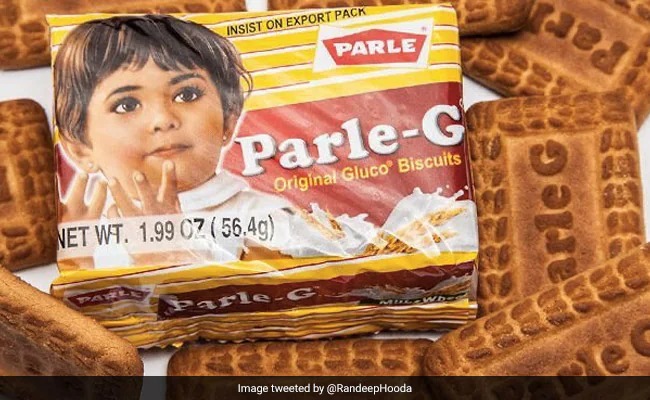
The ‘Parle-G coded’ debate: As Biscoff shifts from premium import to everyday snack, social media has erupted with comparisons to Parle-G, India’s most iconic mass-market biscuit. The phrase “Parle-G coded” reflects concerns that the brand’s unique caramelized flavor may have been diluted to suit local tastes and pricing.
Kolkata bakers weigh in: Local bakers and dessert chefs in Kolkata, known for their experimental patisserie scene, have mixed reactions. Some argue that the India-made Biscoff lacks the depth of flavor found in the imported version, making it less suitable for high-end desserts. Others welcome the affordability, noting that it allows more consumers to experiment with Biscoff-inspired recipes at home.
Impact on dessert culture: For years, Biscoff was a staple in premium cafés and bakeries, used in cheesecakes, shakes, and layered desserts. With the new pricing, bakers anticipate a surge in Biscoff-based creations, though questions remain about whether the taste profile will deliver the same indulgence.
Parle-G nostalgia: The comparison to Parle-G underscores how deeply Indian consumers associate biscuits with cultural identity. Parle-G, launched in 1939, remains the world’s best-selling biscuit brand. For many, the idea that Biscoff could be “coded” like Parle-G suggests a shift from exclusivity to mass familiarity.
Consumer sentiment: While affordability is celebrated, discerning consumers and chefs emphasize that brand equity depends on taste consistency. If the India-made Biscoff diverges too far from its original flavor, it risks losing its premium positioning even as it gains mass appeal.
Why It Matters
The India-made Biscoff story reflects a broader trend: global premium brands adapting to India’s mass market. While accessibility democratizes indulgence, it also raises questions about authenticity. For Kolkata’s bakers, the debate is not just about biscuits, it’s about how global flavors integrate into India’s culinary identity without losing their essence.
Key takeaway: India-made Biscoff may be cheaper and more available, but whether it retains its cult flavor or becomes “Parle-G coded” will determine its long-term success in the country’s evolving dessert culture.
Sources: Telegraph India, Parle Products (Wikipedia), Parle G Company Website