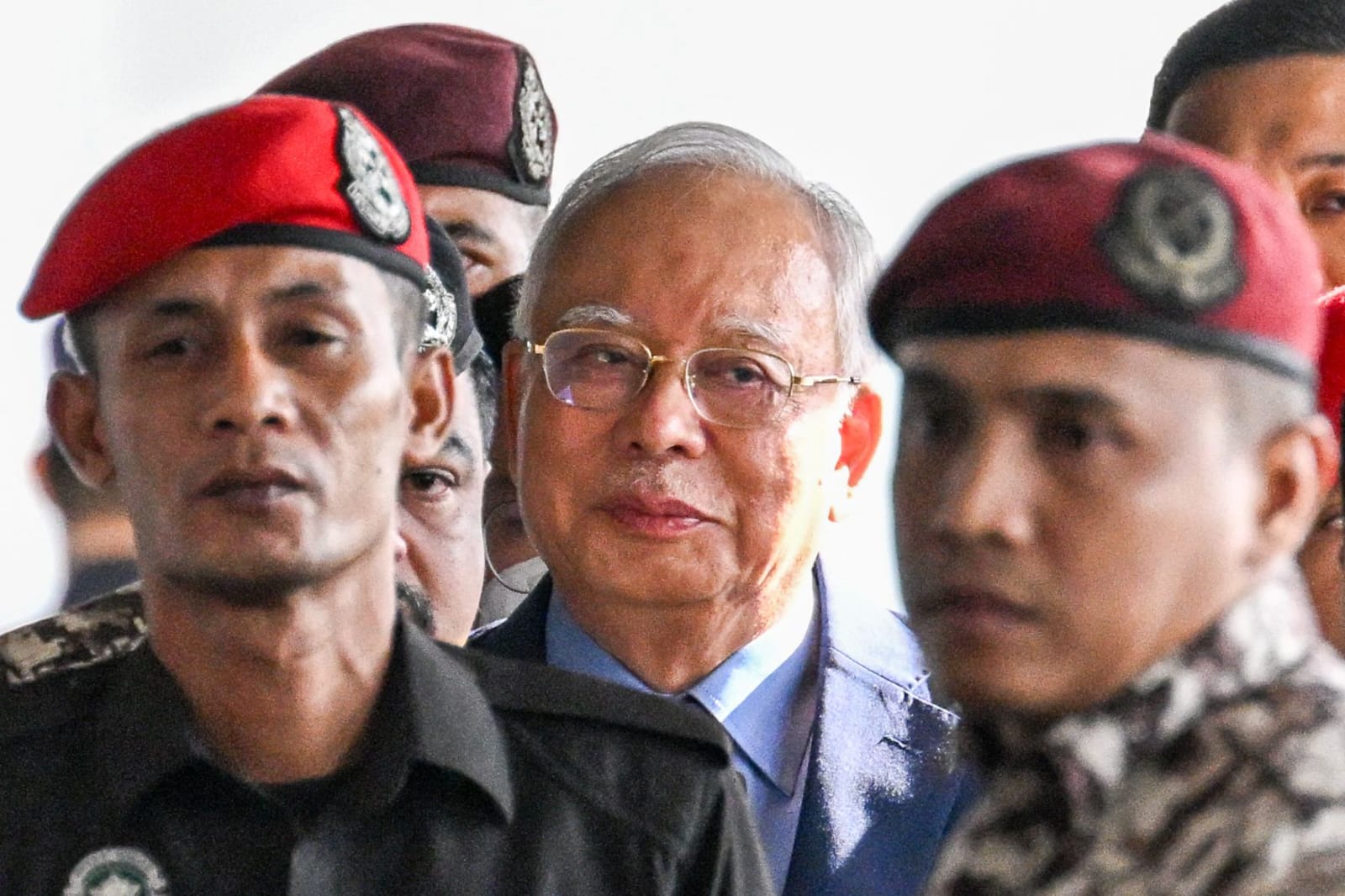





Former Malaysian Prime Minister Najib Razak has been sentenced to 15 years in prison for abuse of power in the high-profile 1MDB corruption case. The court also handed down a five-year sentence for money laundering, marking a landmark moment in Malaysia’s ongoing fight against political corruption and financial mismanagement.
In a significant development for Malaysian politics and justice, the Kuala Lumpur High Court has sentenced former Prime Minister Najib Razak to 15 years in jail for abuse of power related to the 1MDB scandal. The sentence covers all four counts of abuse of power, which will run concurrently. Additionally, Najib was sentenced to five years for money laundering, further cementing the severity of his conviction. The verdict is seen as a major milestone in Malaysia’s efforts to hold top officials accountable for financial misconduct.
Key Highlights
-
Landmark Conviction: Najib Razak is the first Malaysian Prime Minister to be sentenced to prison for corruption, setting a precedent for accountability at the highest levels of government.
-
1MDB Scandal Details: The 1MDB (1Malaysia Development Berhad) case involved the misappropriation of billions of dollars from a state investment fund, sparking international investigations and widespread public outrage.
-
Sentence Structure: The 15-year sentence for abuse of power will run concurrently across four counts, while the additional five years for money laundering will be served separately, reflecting the gravity of the charges.
-
Political Impact: The verdict is expected to have far-reaching implications for Malaysia’s political landscape, potentially influencing public trust in leadership and future anti-corruption measures.
-
Global Attention: The case has drawn international scrutiny, with global financial regulators and watchdogs monitoring developments closely due to the scale of the alleged fraud and its implications for financial transparency.
This verdict underscores the Malaysian judiciary’s commitment to justice and sends a strong message about the consequences of corruption. The outcome is likely to shape future political discourse and reforms in the country, as well as serve as a cautionary tale for leaders worldwide.
Sources: Reuters, BBC, The Star, Al Jazeera, Financial Times