

New research reveals that small earthquakes in Yellowstone National Park can recharge underground microbial ecosystems. By exposing fresh rock and fluids, quakes release bursts of chemical energy that microbes use to thrive. The findings highlight how seismic activity sustains life in deep, dark environments, reshaping our understanding of Earth’s hidden biosphere.
Yellowstone National Park, famous for its geysers and geothermal wonders, has now revealed another secret: tiny earthquakes can rejuvenate microbial life deep underground. A study published in PNAS Nexus shows that seismic activity alters aquifer chemistry, creating fresh energy sources that microbes exploit to survive in extreme subterranean conditions.
Researchers from Montana State University and collaborating institutions examined how a series of small quakes in 2021 affected microbial communities beneath the Yellowstone Plateau Volcanic Field. Using borehole samples and advanced geochemical analysis, they discovered that seismic jolts exposed new rock surfaces and released fluids rich in dissolved minerals. These changes provided chemical energy bursts, sparking microbial growth and shifting community composition.
The discovery is significant because it demonstrates how life can persist in deep, dark ecosystems without sunlight, relying instead on geochemical energy. It also offers insights into how microbial life might exist in other planetary environments, such as Mars or Europa, where seismic or geothermal activity could sustain hidden biospheres.
Major Takeaways
Seismic Recharge: Small Yellowstone quakes exposed fresh rock and fluids, fueling microbial metabolism.
Community Shifts: Microbial populations changed dramatically after quakes, showing resilience and adaptability.
Energy Source: Released minerals provided chemical energy in the absence of sunlight.
Astrobiology Link: Findings suggest similar processes could support life on other planets.
Scale of Life: Up to 30% of Earth’s biomass exists underground, much of it dependent on such energy bursts.
Notable Updates
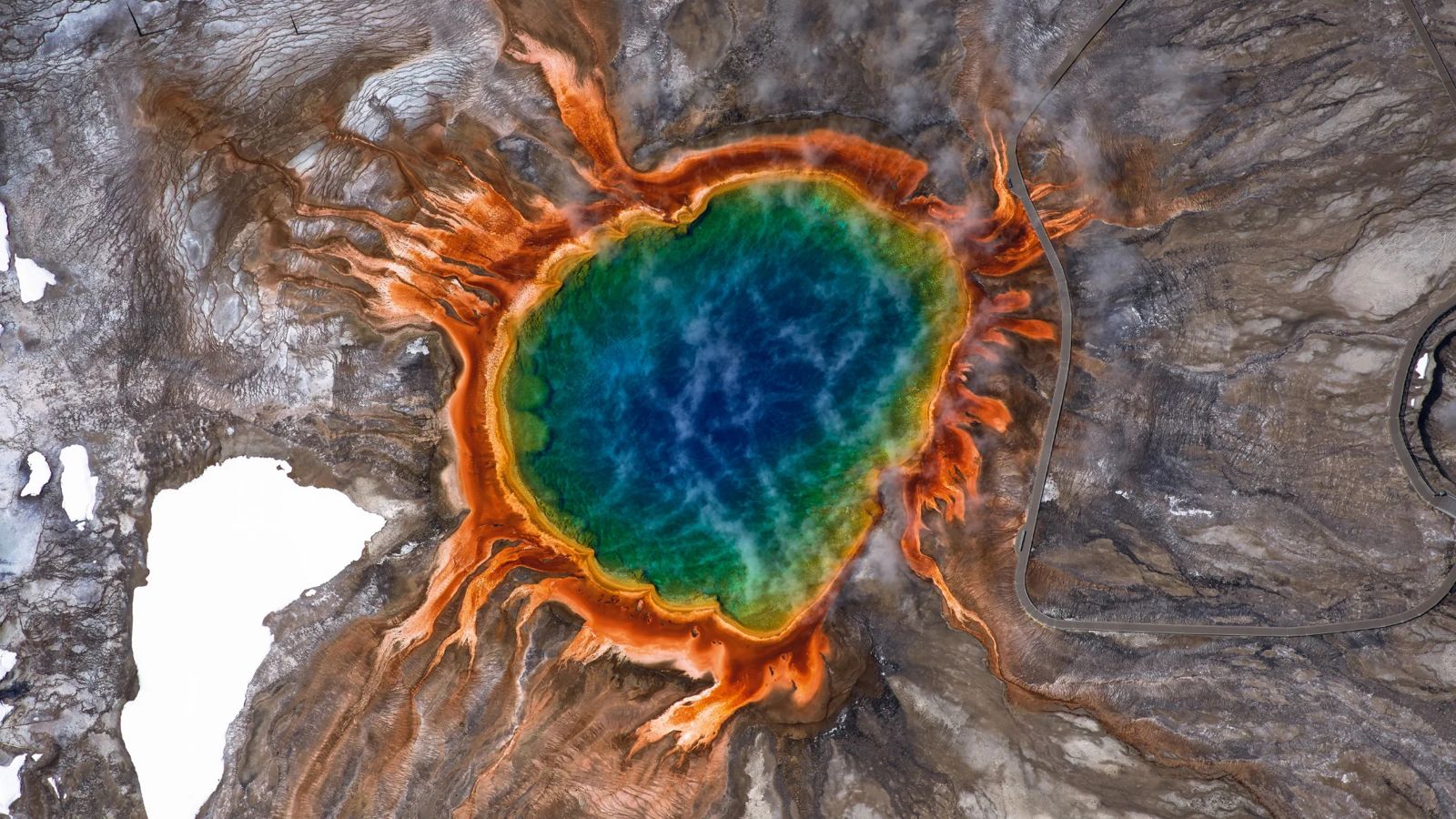
The study highlights Yellowstone’s Grand Prismatic hot spring as a surface expression of vast subterranean aquifers.
Electrical resistivity mapping revealed how groundwater and thermal fluids move through volcanic rock.
Researchers emphasize that seismic activity is not just destructive—it can be life-sustaining in hidden ecosystems.
Future studies will explore how frequent quakes shape long-term microbial evolution in geothermal regions.
Conclusion: The revelation that Yellowstone’s earthquakes recharge underground microbial life underscores the dynamic interplay between geology and biology. Far from being destructive alone, seismic activity can act as a catalyst for hidden ecosystems, offering profound implications for Earth’s biodiversity and the search for extraterrestrial life.
Sources: ScienceDaily , Astrobiology.com , Knowridge