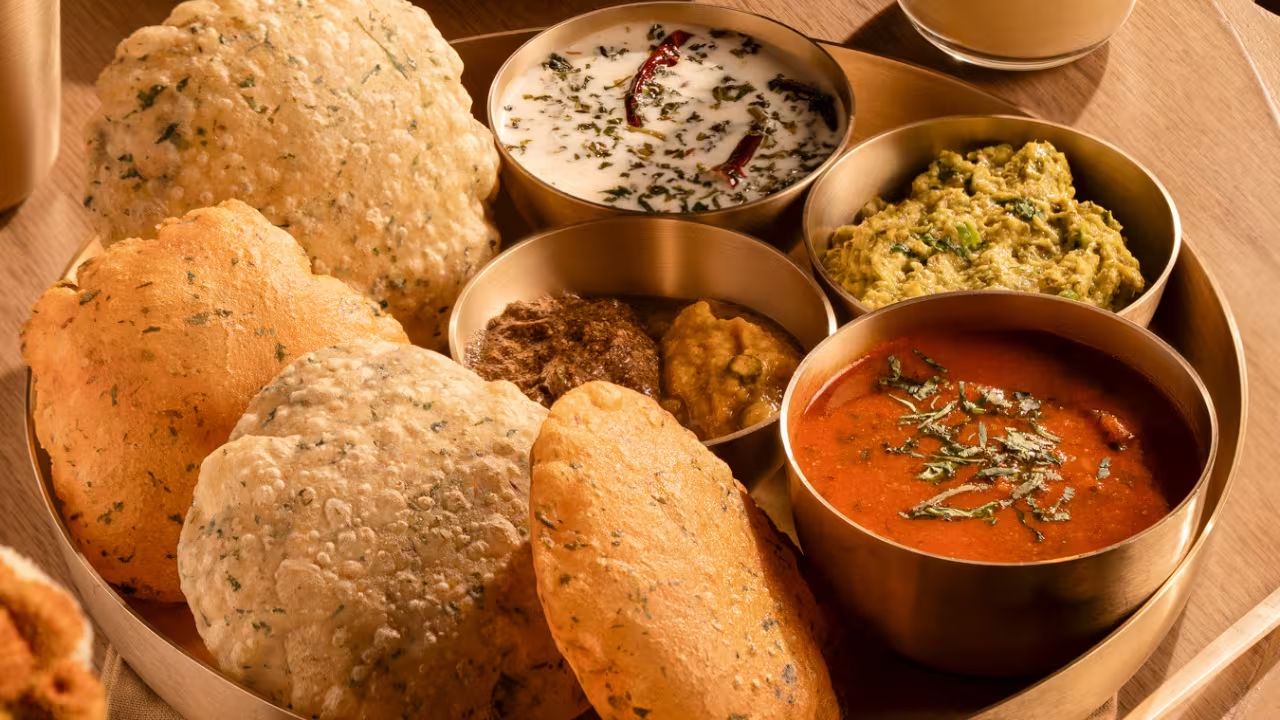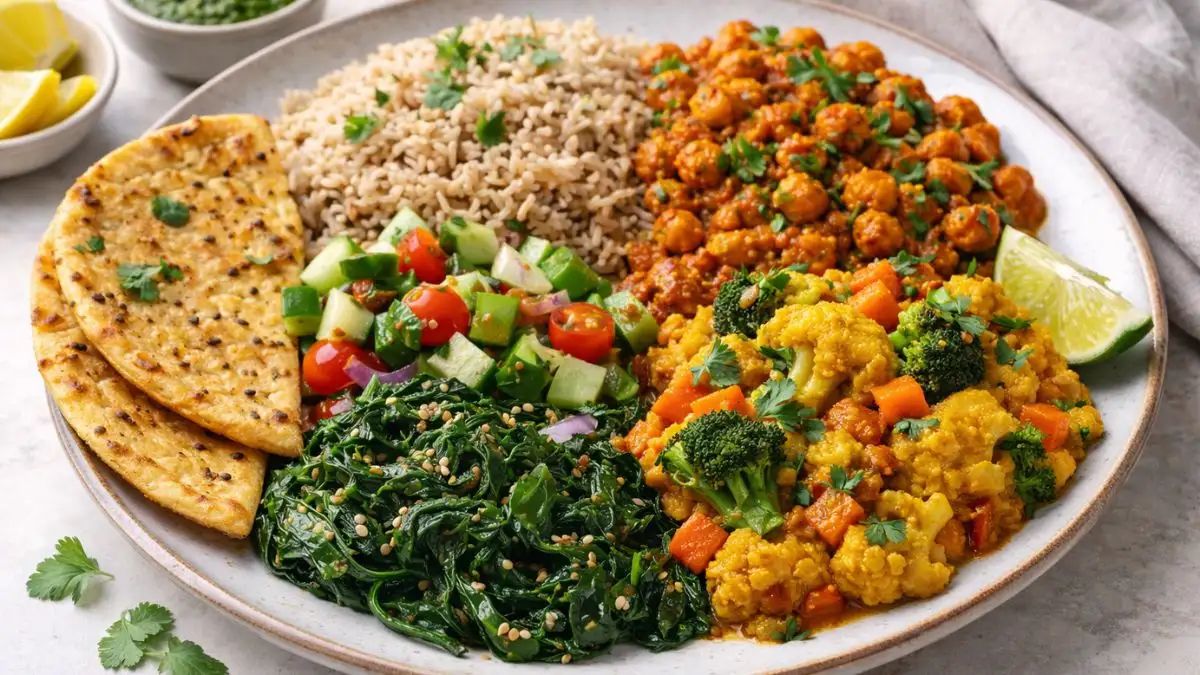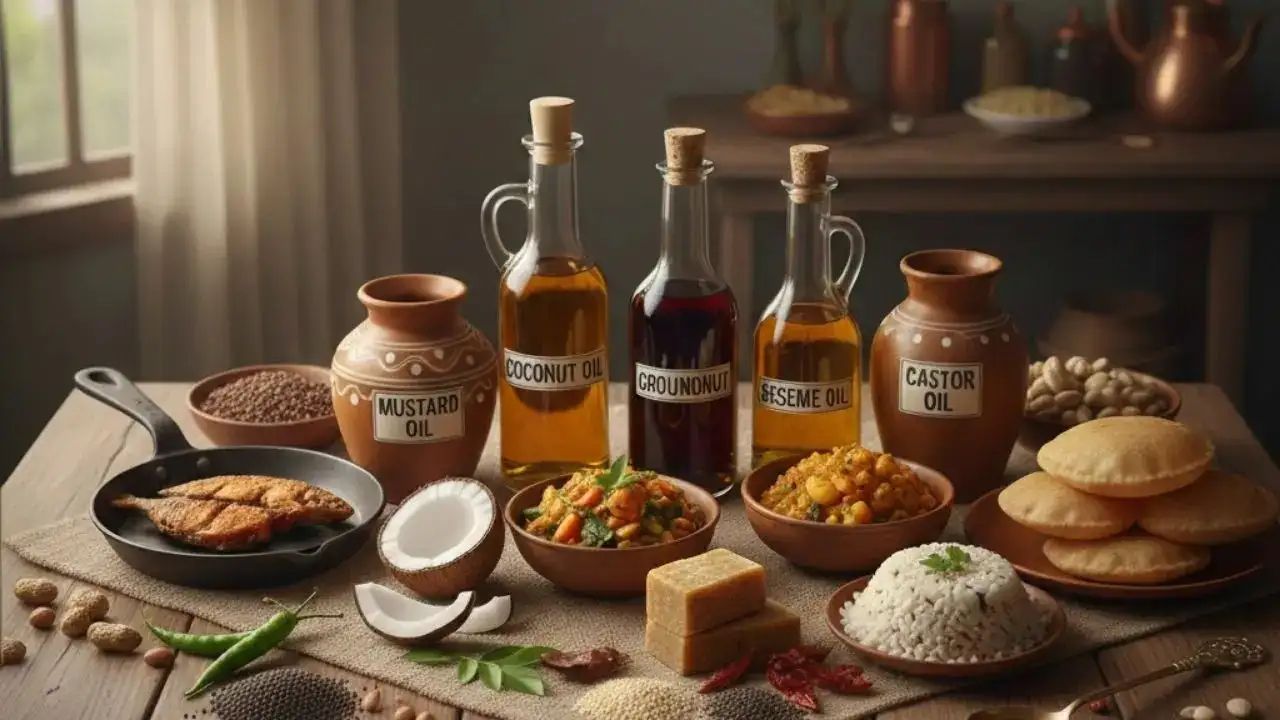

Long before olive oil became a global kitchen staple, Indian households relied on indigenous oils like mustard, sesame, coconut, and groundnut for cooking. These oils, rich in flavor and nutrition, shaped regional cuisines for centuries. Today, there’s renewed interest in reviving these traditional oils as part of India’s culinary heritage.
India’s culinary traditions are deeply intertwined with its indigenous cooking oils, which sustained households for generations before olive oil gained popularity. Oils such as mustard in the north and east, coconut in the south, sesame in Tamil Nadu, and groundnut in western India were not just cooking mediums but cultural markers of regional identity.
Experts highlight that these oils offered distinct flavors, health benefits, and versatility, making them integral to everyday meals and festive dishes alike. With globalization, olive oil entered Indian kitchens as a symbol of modern health trends, but many nutritionists now emphasize the importance of returning to locally sourced, time-tested oils.
The revival of indigenous oils reflects a broader movement toward sustainable food practices, regional pride, and rediscovering authentic flavors that connect communities to their roots.
Key Highlights / Major Takeaways
Mustard, sesame, coconut, and groundnut oils dominated Indian kitchens for centuries
Oils carried regional identity and cultural significance
Olive oil’s rise linked to global health trends
Renewed interest in traditional oils for flavor and nutrition
Movement reflects sustainability and culinary heritage revival
Sources: The Hindu Food & Culture, Times of India Lifestyle, NDTV Food