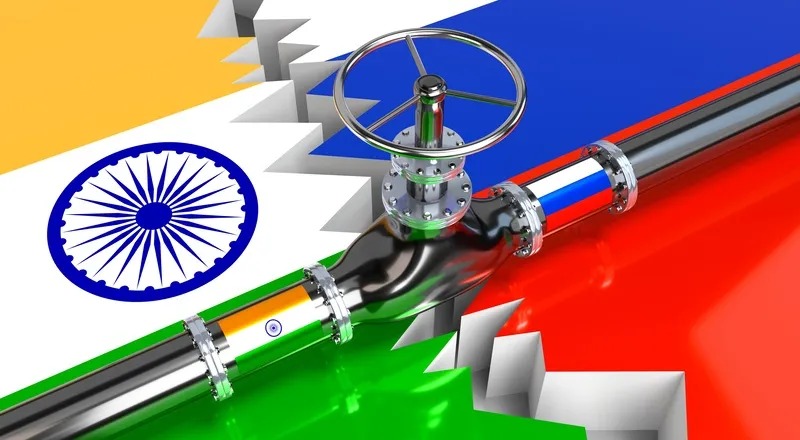
 Image Source : CSEP
Russia’s Ministry of Finance has confirmed that the era of superprofits from oil and gas exports is over. Revenues from hydrocarbons, once contributing nearly half of the federal budget, have fallen to just 23% in 2026. Sanctions, resource depletion, and Ukraine’s strikes on energy infrastructure have accelerated this decline, reshaping Russia’s fiscal outlook.
Show more
Russia’s long-standing dependence on oil and gas revenues has reached a turning point. The Ministry of Finance recently acknowledged that the country’s era of superprofits from hydrocarbons has ended, with revenues projected to decline both in the medium and long term. This admission underscores the structural challenges facing Russia’s economy, which has historically relied on energy exports to fund its budget and foreign reserves.
Key Highlights
-
The share of oil and gas revenues in Russia’s federal budget has dropped to 23% in 2026, compared to nearly 50% just a few years ago.
-
The Ministry of Finance attributes the decline to the depletion of low-cost hydrocarbon reserves, though analysts point to sanctions and geopolitical isolation as major contributing factors.
-
European Union sanctions have restricted Russia’s access to Western markets, forcing Moscow to redirect exports to Asia at discounted prices, eroding profit margins.
-
Ukraine’s drone strikes on Russian oil and gas facilities have disrupted production and logistics, further reducing foreign currency inflows.
-
Extraction costs are rising due to limited access to advanced Western technology, making Russia’s energy sector less competitive globally.
-
Demand from traditional buyers has shrunk, with Europe accelerating its transition to renewable energy and diversifying supply chains away from Russian hydrocarbons.
The Ministry of Finance has warned that revenues will continue to decline, forcing policymakers to explore diversification strategies. These include expanding trade with Asian partners, investing in alternative energy, and strengthening domestic recycling initiatives.
Industry experts note that Russia’s fiscal stability is at risk, as energy exports have historically been the backbone of its budget. The end of the superprofit era compels Moscow to rethink its economic model, balancing geopolitical ambitions with resource constraints.
The newly formed Critical Minerals Mission and other diversification efforts may help offset some losses, but analysts caution that these initiatives remain in early stages and cannot immediately replace the scale of oil and gas revenues.
Sources: Ukrinform; Mezha News; US News; The Hindu BusinessLine
Stay Ahead – Explore Now!
Russia’s Energy Sector Faces Long Term Challenges Amid Sanctions And Rising Extraction Costs
Advertisement
Advertisement