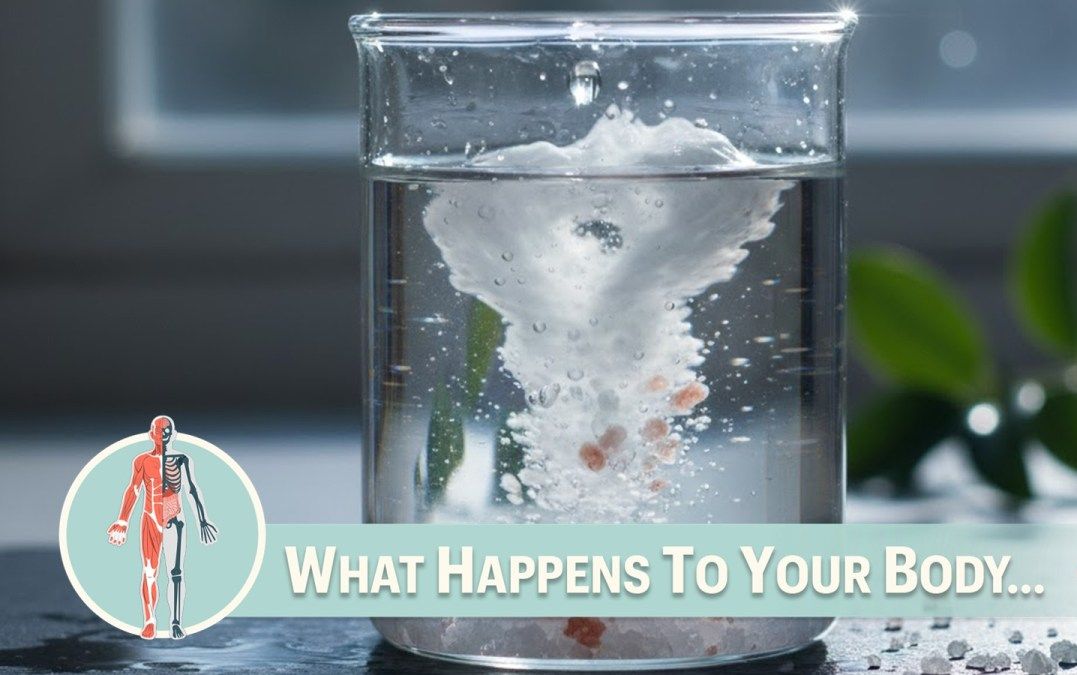








Drinking a small pinch of salt in water on an empty stomach for two months may improve hydration and electrolyte balance for healthy adults, but it can raise blood pressure, strain kidneys, and cause bloating if overused or in at‑risk groups. Experts urge moderation and caution for those on salt‑restricted diets.
After a night’s sleep, the body wakes slightly dehydrated and low on electrolytes. Some people add a pinch of salt to morning water to aid hydration. Experts note that, over two months, modest intake may help fluid retention and electrolyte replenishment—but risks rise with higher doses or pre‑existing conditions.
Clinicians caution that sodium can elevate blood pressure, worsen edema, and burden kidneys, especially in people with hypertension, renal disease, or those advised to limit salt. Wellness guides recommend only a tiny pinch (about 1/4–1/2 tsp), emphasizing that benefits are dose‑dependent and individual responses vary.
Notable updates and major takeaways
Potential benefits: Better hydration and electrolyte balance when used sparingly.
Digestive effects: May support stomach acid and reduce lightheadedness from morning dehydration.
Risks: Elevated blood pressure, water retention, and kidney strain with excess sodium.
Who should avoid: Individuals with uncontrolled hypertension, kidney issues, or salt‑restricted diets.
Dosage caution: Stick to a tiny pinch; avoid daily high‑sodium “detox” claims.
Duration insight: Two months of routine use should be reassessed if side effects appear.
Conclusion
Morning salt water can be a moderate, context‑dependent practice—use a tiny pinch, monitor your body, and avoid it if you have salt‑sensitive conditions. Plain water remains a safe baseline for most people.
Sources: The Indian Express, Bharat Horizonbharathorizon.com, NTRO Wellness