







Follow WOWNEWS 24x7 on:


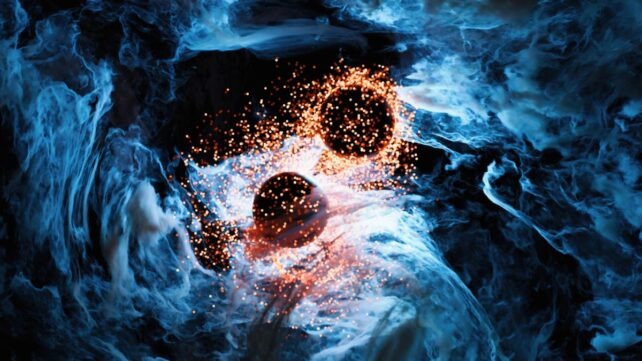
Physicists have recreated conditions resembling the first moments after the Big Bang, revealing that the universe began as a trillion-degree quark-gluon plasma. This primordial “soup” of quarks and gluons behaved like a liquid, swirling and sloshing before cooling into atoms, offering new insights into the universe’s earliest evolution
Show moreStay Ahead – Explore Now! IIT Guwahati Unveils Scalable Method To Detect Wikipedia Name Errors At AI Summit 2026



Updated: February 21, 2026 19:24

Updated: February 20, 2026 19:39

Updated: February 19, 2026 20:16













Follow WOWNEWS 24x7 on:





Copyright 2024 WOWNEWS 24x7. All rights reserved. The WOWNEWS 24x7 is not responsible for the content of external sites. Read about our approach to external linking.
Powered By Just Imagine
