











Follow WOWNEWS 24x7 on:


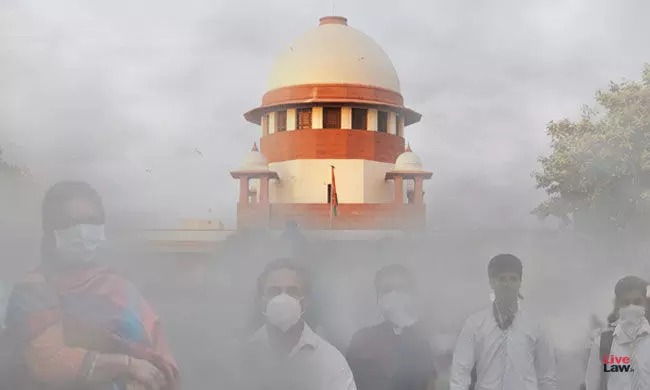
The Supreme Court has permitted lawyers and litigants to opt for video conferencing amid Delhi's air quality plunging into the severe category, prioritizing health over physical attendance. Issued on December 14 under CJI Surya Kant's directions, this advisory encourages hybrid mode usage to sustain judicial proceedings without risking exposure to hazardous pollution. A timely response as AQI breaches critical thresholds, triggering health alarms across the NCR.
Show moreStay Ahead – Explore Now! Signal of Hope: Airtel Ensures Emergency Connectivity Amid Northern Deluge










Follow WOWNEWS 24x7 on:





Copyright 2024 WOWNEWS 24x7. All rights reserved. The WOWNEWS 24x7 is not responsible for the content of external sites. Read about our approach to external linking.
Powered By Just Imagine
