
India has allowed the export of organic sugar under specific HS codes, capped at 50,000 MT annually. The move supports sustainable farming and opens niche global markets, while safeguarding domestic supply. Exporters must comply with strict codes and monitoring, ensuring balance between local needs and international trade.
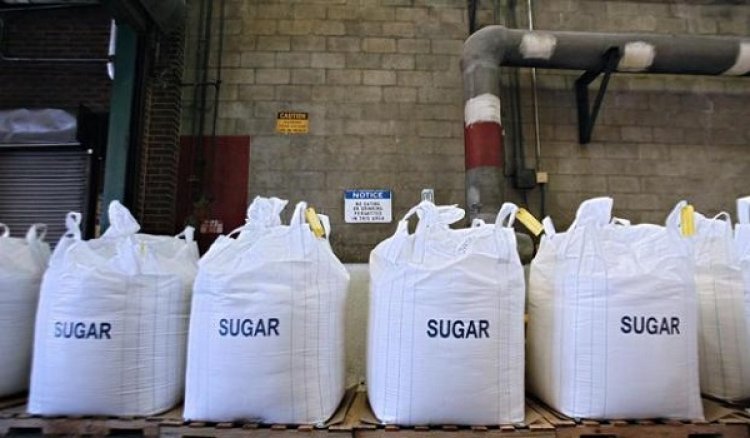
India has officially allowed the export of organic sugar under specified HS codes, setting an overall ceiling of 50,000 metric tonnes (MT) per financial year. The notification, issued by the Directorate of Sugar and Vegetable Oils under the Ministry of Consumer Affairs, marks a significant policy shift aimed at balancing domestic supply with global demand.
Key Highlights
-
India has permitted the export of organic sugar under specified HS codes
-
The overall ceiling is fixed at 50,000 metric tonnes per financial year
-
Exporters must comply with the Essential Commodities Act and Sugar (Control) Order
-
The move is aimed at balancing domestic supply with global demand
-
Organic sugar exports are separate from the broader 1.5 million tonne quota for 2025-26
-
The policy supports sustainable farming and value-added export opportunities
-
Only select exporters will benefit due to the limited quota, leading to competitive participation
-
Monitoring mechanisms will ensure strict adherence to the quota and codes
The annual cap of 50,000 MT is designed to safeguard domestic availability while offering Indian producers access to niche global markets where organic products command premium prices. Export permission comes at a time when India has already set a broader sugar export quota of 1.5 million tonnes for the 2025-26 season. By carving out a separate allowance for organic sugar, the government is signaling its intent to encourage sustainable farming practices and diversify export earnings.
Industry experts note that the move could benefit farmers engaged in organic cultivation, providing them with new revenue streams. However, the limited ceiling means that only select exporters will be able to participate, potentially leading to competitive bidding for export licenses. The policy also aligns with India’s broader push toward environmentally conscious agriculture and value-added exports.
The notification further clarifies that compliance with the Essential Commodities Act and Sugar (Control) Order remains mandatory, ensuring that domestic supply chains are not disrupted. Exporters will need to adhere strictly to the codes and ceilings, with monitoring mechanisms in place to prevent overshooting the quota.
This development is expected to strengthen India’s position in the global organic market, where demand for sustainably produced sugar is rising. While the cap may appear modest, it represents a strategic step toward balancing domestic priorities with international opportunities.
Sources: Department of Food and Public Distribution, Government of India; ChiniMandi; ETGovernment