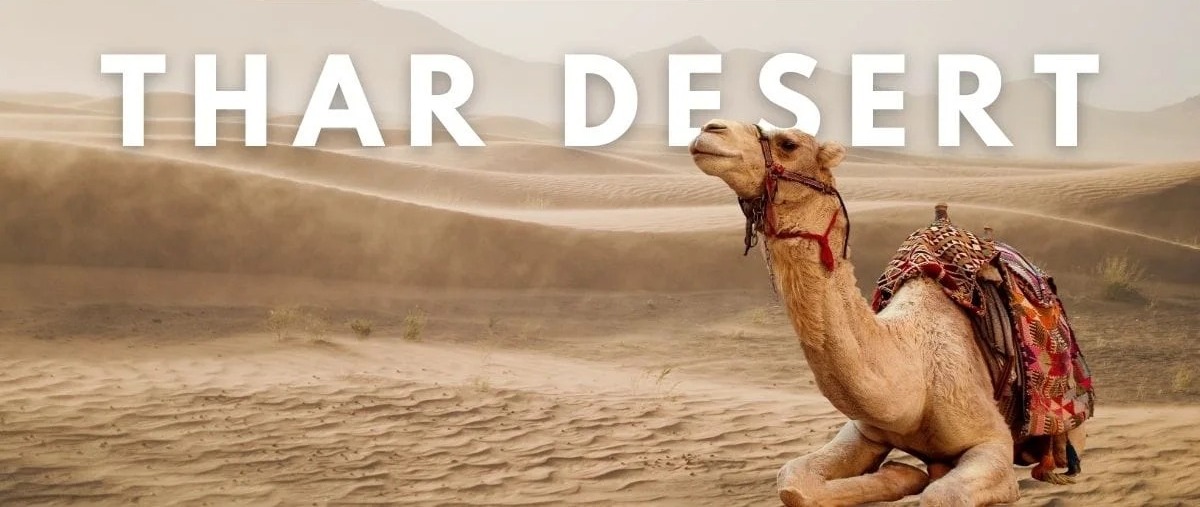




The Thar Desert in Rajasthan, also known as the Great Indian Desert, is often called the “Miniature Sahara” due to its vast sand dunes, arid climate, and striking resemblance to Africa’s Sahara Desert. Stretching across India and Pakistan, it is Asia’s largest subtropical desert and a hub of cultural heritage.
The Thar Desert, spread across Rajasthan and parts of Gujarat, Haryana, and Punjab, is India’s most prominent desert landscape. Covering an area of over 264,000 sq km, it is one of the largest subtropical deserts in Asia. Its nickname, the “Miniature Sahara,” comes from its sweeping sand dunes, scorching summers, and extreme climate conditions, which mirror the Sahara Desert in Africa.
Despite its harsh environment, the Thar is home to vibrant communities, unique flora and fauna, and historic trade routes. The desert also hosts the famous Jaisalmer Desert Festival, showcasing Rajasthan’s rich culture, music, and traditions.
Key Highlights
-
Nickname: Known as the “Miniature Sahara” for its resemblance to Africa’s Sahara Desert.
-
Location: Spans Rajasthan, Gujarat, Haryana, Punjab, and extends into Pakistan’s Sindh and Punjab provinces.
-
Size: Covers approximately 264,000 sq km.
-
Climate: Hot summers, cold winters, and minimal rainfall.
-
Culture: Hosts desert festivals, camel fairs, and traditional Rajasthani heritage.
-
Biodiversity: Supports desert foxes, chinkaras, and hardy vegetation like khejri trees.
Context
The Thar Desert is not just a geographical marvel but also a cultural and ecological treasure, balancing its harsh climate with human resilience and vibrant traditions.
Sources: India Today, Wikipedia, Britannica