







Follow WOWNEWS 24x7 on:


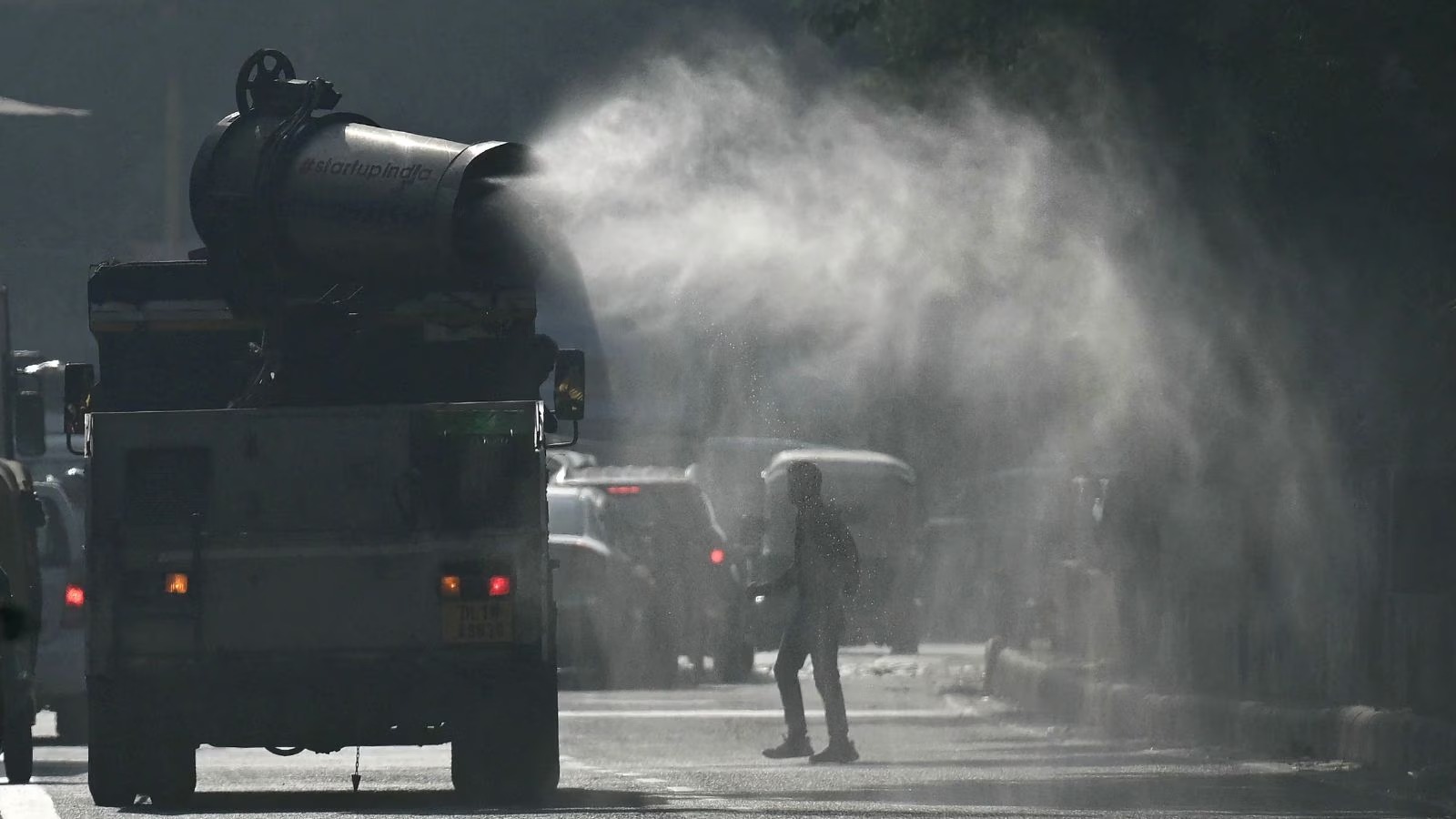
Tackling India's severe winter air pollution through stubble burning curbs, clean energy shifts, and EV adoption slashes black carbon emissions—potent short-lived climate pollutants. This strategy cleans Delhi's toxic air while accelerating global climate goals by cutting warming faster than CO2 reductions alone.
Show moreStay Ahead – Explore Now! Karnataka Weather Alert: IMD Warns of Cold Wave Till December 16: Bengaluru Braces for Dip















Follow WOWNEWS 24x7 on:





Copyright 2024 WOWNEWS 24x7. All rights reserved. The WOWNEWS 24x7 is not responsible for the content of external sites. Read about our approach to external linking.
Powered By Just Imagine
