China’s Vision 2030 strategy is redefining global innovation through advances in artificial intelligence, space technology, and intellectual property leadership. Ranked 10th in the Global Innovation Index 2025, China now leads in innovation clusters and AI integration, signaling its ambition to become a dominant force in next-generation technologies.
China’s Innovation Leap
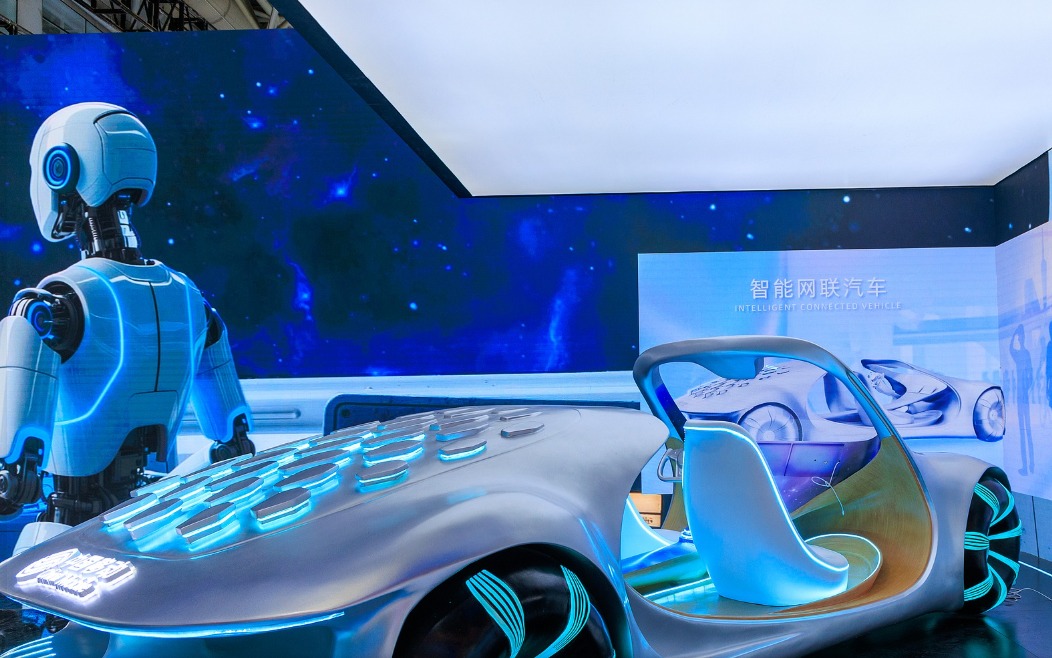
Vision 2030 emphasizes technological self-reliance and global leadership. With over 200 large AI models operational, China is embedding artificial intelligence across industries, from healthcare to manufacturing. The “AI+” initiative integrates smart infrastructure, while the nation’s core AI industry reached $142 billion in 2025.
Global Recognition
China’s rise to 10th place in the Global Innovation Index marks its highest ranking yet. It leads the world in intellectual property filings and hosts the largest innovation clusters, including Shenzhen-Hong Kong-Guangzhou, now ranked first globally. This reflects China’s growing influence in shaping the future of technology.
Strategic Implications
Beyond AI, China is investing heavily in space exploration, semiconductors, and green technologies. These efforts aim to reduce dependence on foreign supply chains and position China as a hub for innovation-driven growth.
Key Highlights
-
China ranks 10th in Global Innovation Index 2025
-
AI industry valued at $142 billion
-
Over 200 domestic AI models operational
-
Shenzhen-Hong Kong-Guangzhou cluster ranked first globally
-
Focus on self-reliance in semiconductors and space technology
Conclusion
China’s Vision 2030 is more than a national strategy—it is a global blueprint. By combining innovation, self-reliance, and international ambition, China is reshaping the technological landscape and setting new benchmarks for the future of global innovation.
Sources: CGTN, Khabar Asia, World Intellectual Property Organization