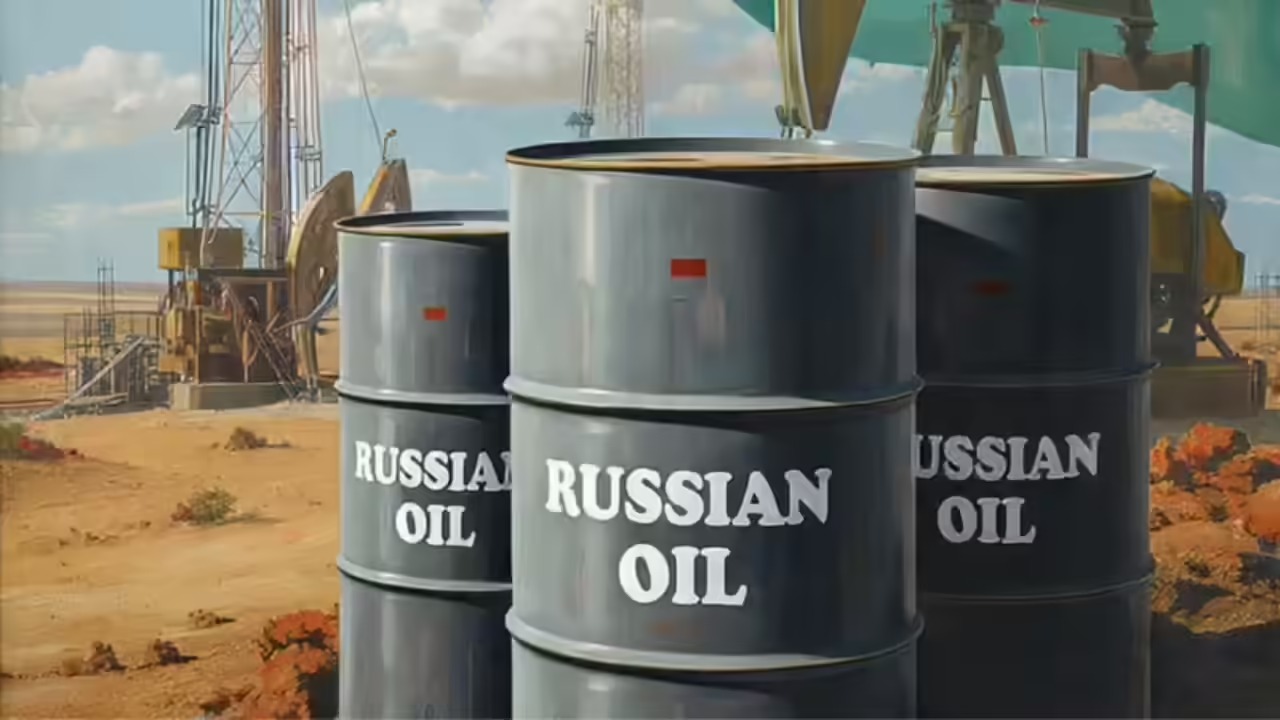


VTB Bank’s CEO emphasized the sustained global demand for Russian oil, including from India, despite Western sanctions complicating banking transactions. VTB aims to expand its presence in India while navigating sanctions challenges, as Russian firms continue pursuing global ambitions, focusing on markets in the Global South and fostering alternative trade partnerships.
VTB Bank CEO Andrei Kostin underscored that Russian oil remains in strong demand worldwide, notably from countries like India, which continue to find ways to procure crude despite significant Western sanctions. These sanctions impact banking transactions with Indian banks, creating operational hurdles, but do not deter ongoing trade and long-term strategic ambitions.
Kostin highlighted VTB’s plans to deepen its footprint in the Indian market, aligning with expanding economic ties between Russia and India. While financial transactions face restrictions due to sanctions, efforts are underway to facilitate cross-border dealings, including promoting usage of local currencies and alternative payment mechanisms.
The broader context shows Russian companies maintaining resolve to engage globally, particularly targeting emerging markets in Asia, Africa, and Latin America—regions often referred to as the Global South. Despite sanctions, Russia’s export strategy includes investments and collaborations to sustain supply chains and market access.
Key Highlights
-
Russian oil remains in strong global demand, including India’s continued purchases despite sanctions.
-
VTB plans to expand its presence in India, focusing on economic partnerships and trade facilitation.
-
Western sanctions complicate banking transactions, limiting dollar and euro dealings with Russian firms.
-
Russian firms pursue global ambitions, eyeing growth in emerging markets in the Global South.
-
Efforts to use alternative payment systems and local currencies are increasing to bypass sanctions hurdles.
Sources: Reuters, Economic Times, GT Review, Moneycontrol