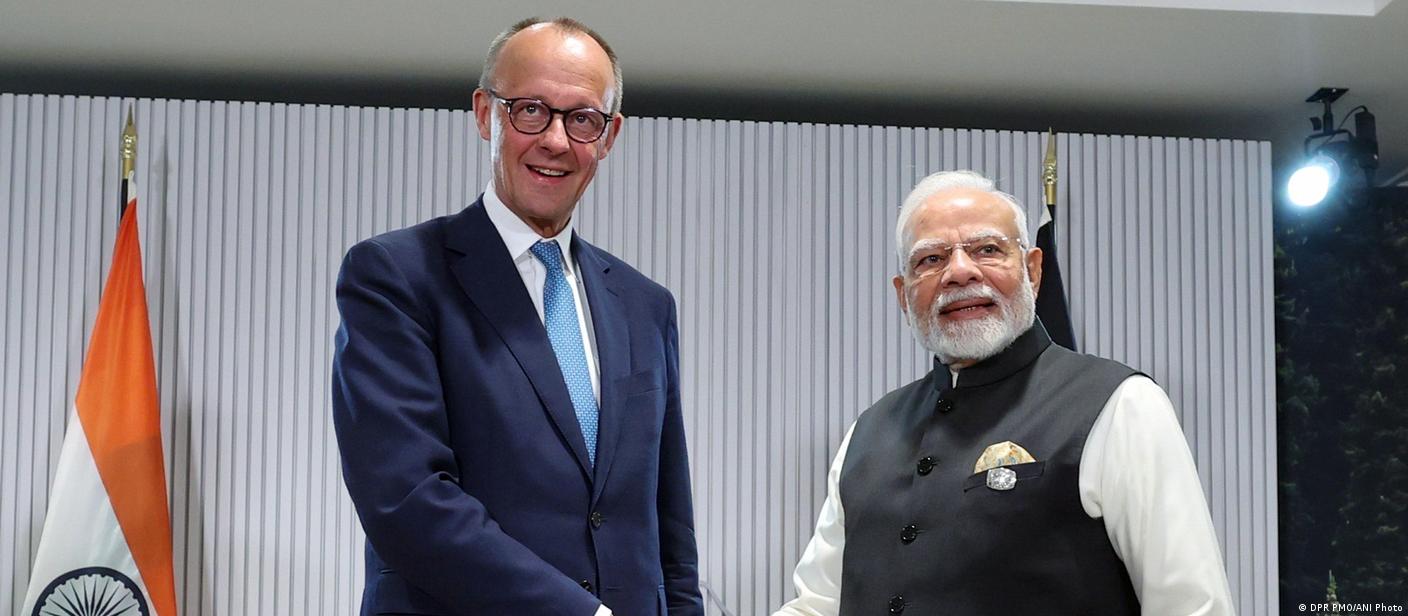






India and Germany have unveiled a new education and workforce cooperation framework that expands student mobility, eases visa norms, encourages German universities to operate in India, and opens employment pathways for Indian professionals, particularly in healthcare and green sectors, reinforcing long-term bilateral collaboration.
The newly announced India-Germany agreement marks a significant milestone in the evolving partnership between the two countries, with a strong focus on education, skill development, and employment mobility. Unveiled during German Chancellor Friedrich Merz’s visit to India, the agreement reflects a shared intent to align academic cooperation with labour market needs while simplifying cross-border movement for students and professionals.
Key Highlights
-
The agreement introduces a comprehensive higher education roadmap that goes beyond conventional exchange programmes. It promotes deeper institutional partnerships and encourages reputed German universities to establish campuses in India. This move is expected to strengthen India’s higher education ecosystem while offering students access to globally benchmarked curricula without leaving the country.
-
Student mobility has been placed at the centre of the pact. Indian students enrolling in short-term academic or training programmes in Germany will benefit from simplified procedures and free short-term visas, reducing both administrative hurdles and financial costs. This is expected to significantly increase participation in exchange and research programmes.
-
Another important aspect is the integration of education with employment outcomes. The agreement facilitates professional mobility, enabling skilled Indian workers to access job opportunities in Germany. Special emphasis has been placed on sectors facing workforce shortages, such as healthcare, nursing, renewable energy, and green technologies.
-
The pact is part of a wider strategic framework that includes multiple bilateral agreements across defence, innovation, technology, and mobility. A new visa-free transit provision for Indian citizens further underscores Germany’s intent to make travel and professional engagement easier.
For Indian students, this agreement promises greater international exposure, stronger institutional collaboration, and more affordable access to quality education. For job seekers and professionals, particularly those with specialised skills, it opens new doors in one of Europe’s largest economies. Overall, the India-Germany agreement sets the stage for long-term academic integration, workforce cooperation, and shared economic growth.
Sources: Times Of India, AP News, Navbharat Times