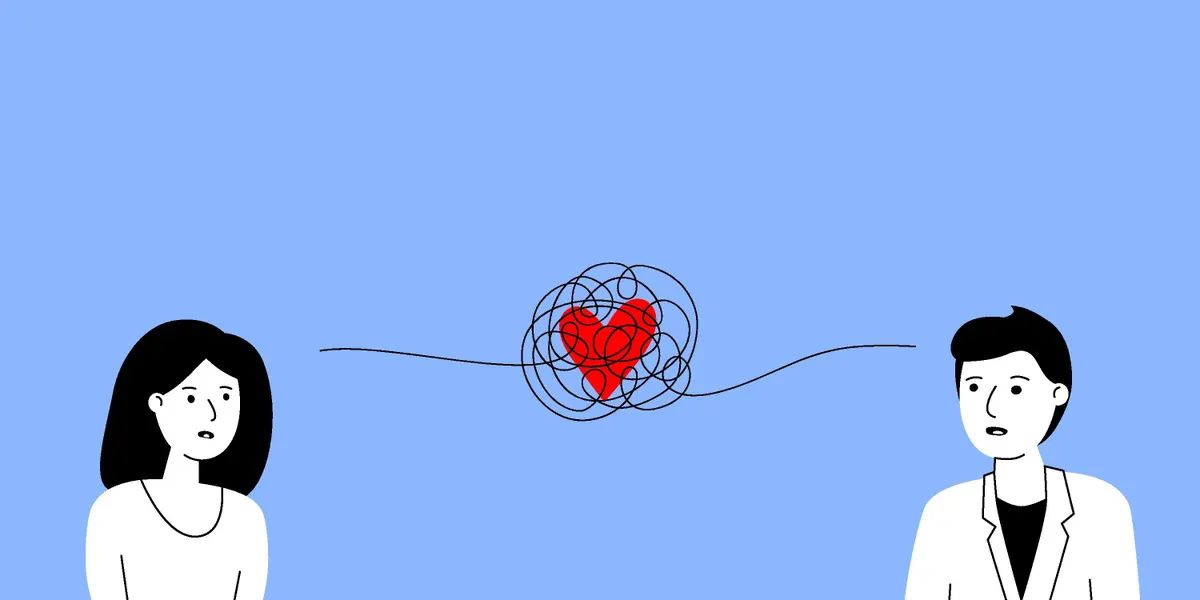






A psychologist’s lens reveals three core reasons many people stay in unhappy relationships: fear (of loneliness and change), sunk costs (time, money, identity invested), and attachment dynamics (trauma bonds, intermittent reinforcement). Understanding these drivers helps individuals name their patterns, reduce shame, and make clearer, values-aligned decisions about staying or leaving.
Unhappy relationships rarely persist because people “like suffering.” More often, they endure due to powerful psychological forces that nudge us toward the familiar—even when it hurts. Recognizing these forces is the first step to regaining agency. Psychologists emphasize three recurring drivers behind relationship inertia: fear, investment, and attachment conditioning.
Fear operates on multiple levels: loneliness, financial instability, social fallout, and the uncertainty of starting over. The familiar can feel safer than the unknown, even when the status quo erodes wellbeing. Investment—years of shared history, finances, family ties, and identity—creates a “sunk cost” trap, where leaving feels like wasting what’s been built. And attachment dynamics, including trauma bonds and intermittent reinforcement (cycles of conflict followed by intense reconnection), can wire the nervous system to equate volatility with love, making detachment feel like withdrawal.
Naming these patterns reduces self-blame and opens practical paths forward: reality-testing fears, separating past investments from future wellbeing, and disrupting reinforcement cycles with boundaries and support. Clarity often follows honest reflection, not snap decisions.
Major takeaways
Fear of uncertainty: Loneliness, money, housing, and social judgments make leaving feel riskier than staying.
Sunk cost & identity: Time, shared assets, children, routines, and “who we are” together can anchor people in place.
Attachment conditioning: Trauma bonds and intermittent reinforcement tether partners through volatile but compelling highs and lows.
Shame reduction: Understanding these drivers reframes “staying” as complex psychology, not weakness.
Action steps: Journal values vs. fears, speak to trusted supports, set micro-boundaries, and create a safety/exit plan if needed.
Notable updates
Decision clarity: Separate reversible steps (trial separation, counseling) from irreversible ones to reduce decision paralysis.
Financial planning: Budgeting, independent accounts, and housing options can shrink fear-based barriers.
Support networks: Therapy, legal advice, and community groups help break isolation and provide perspective.
Conclusion
People stay in unhappy relationships for reasons that are deeply human: fear, investment, and attachment. When you name the pattern, you gain choices. Whether you stay to repair or prepare to exit, align actions with your values—and let support, not shame, guide the next step.
Sources: Psychology Today, Power of Positivity, Psychology.org