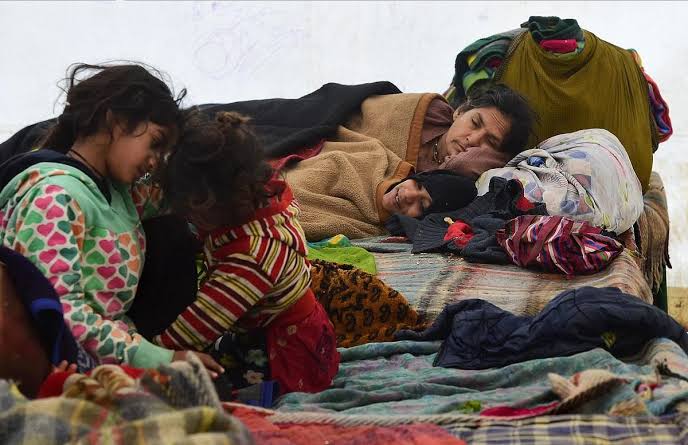





India faces an unusually harsh winter with sharp temperature drops fueling frequent cold waves, endangering the homeless population. Temporary shelters in cities like Delhi fall short in capacity and facilities, prompting court interventions and calls for urgent improvements. Over 1.7 million homeless nationwide struggle as deaths from exposure mount yearly.
This winter marks one of the coldest in years across northern India, with Delhi recording lows of 3.2°C to 4.6°C, well below seasonal norms. Such conditions prove deadly for the homeless, who number nearly 300,000 in Delhi alone according to Shahri Adhikar Manch estimates. The 2011 Census pegged national homelessness at 1.7 million, but experts view this as a severe undercount. Last winter saw 474 homeless deaths in Delhi per the National Forum for Homeless Housing Rights, while NCRB data shows over 19,000 cold wave fatalities nationwide from 1995-2020.
Key Highlights
-
Delhi High Court directs authorities to convert subways near major hospitals like AIIMS, RML, and Safdarjung into temporary shelters, urging tents and beds for patients' attendants exposed to cold.
-
Delhi Urban Shelter Improvement Board (DUSIB) oversees about 20,000 shelter beds, including 250 new temporary ones via a Rs 3.4 crore tender, yet this covers only a fraction of need amid overcrowding and shortages of blankets, food, and medicines.
-
Court takes suo motu notice of poor shelter conditions, ordering status reports on amenities and sensitivity to plight, with hearings ongoing as cold persists.
-
NDMA Guidelines emphasize state action plans for warnings, shelters, and relief, but implementation lags, leaving many on streets despite funds like State Disaster Response allocation.
States must prioritize expanded funding, better upkeep, and coordination across health, police, and housing departments to avert tragedy. The Rajasthan High Court in 2024 called shelter, clothing, food, and medicine the welfare state's bare minimum duty. Until root causes of homelessness ease, winters demand immediate, robust response.
Sources: Hindustan Times, Times of India, NDTV