India’s Goods and Services Tax (GST) system is poised for its largest transformation yet, as the government announces the “Next-Gen GST”—an overhaul designed to collapse the current maze of tax rates into just two principal slabs, bringing the country a major step closer t...
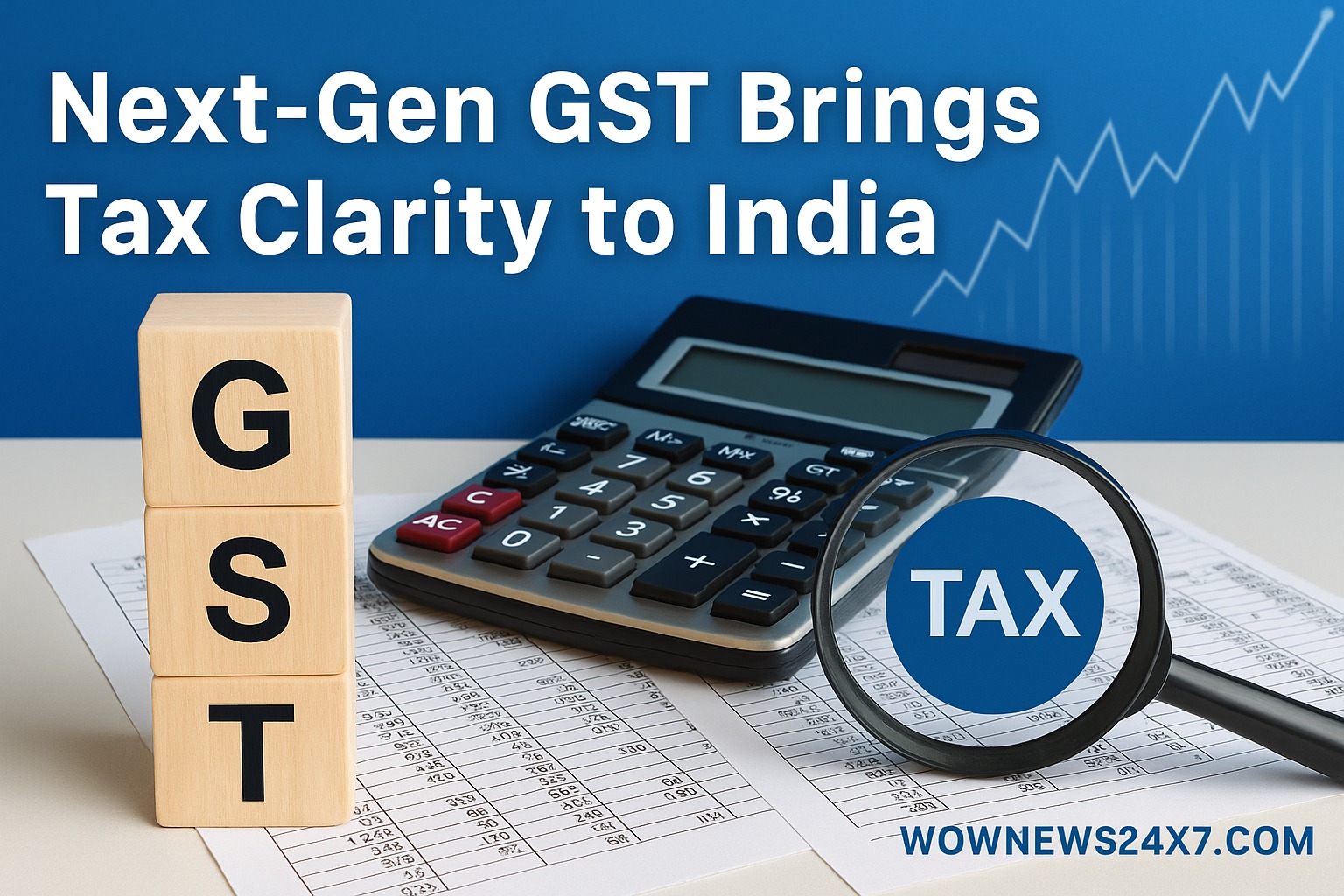
India’s Goods and Services Tax (GST) system is poised for its largest transformation yet, as the government announces the “Next-Gen GST”—an overhaul designed to collapse the current maze of tax rates into just two principal slabs, bringing the country a major step closer to a true single tax regime. This reform, anticipated to be rolled out before Diwali 2025, could change not only how businesses operate and consumers buy, but also how India positions itself for future growth as a developed economy.
Two Main Slabs Replace Four: Simpler, Cheaper, Fairer
The new structure will eliminate the current 12% and 28% tax rates, creating only two main slabs—5% (for essentials and merit goods) and 18% (for standard goods and most services). A special 40% “sin goods” rate will apply to select items like tobacco and pan masala, with certain high-value or export goods maintaining their current policies. According to government sources, 99% of items in the former 12% bracket will move to the lower 5%, and 90% of those now taxed at 28% will drop to 18%, resulting in substantial price cuts for a wide range of daily-use and middle-class products.
This reform promises direct relief for consumers:
Packaged foods, home essentials, women’s personal care, and most household technology will be cheaper under the new slabs.
Middle-class big-ticket items like refrigerators, washing machines, air conditioners, and smart TVs will see prices drop as they move from 28% to 18% GST.
Critical educational materials, student tech, and healthcare items are also slated for reduced taxation.
For businesses, the elimination of “inverted duty structures,” simplified compliance (such as pre-filed returns and automated refunds), and clear tax brackets are expected to reduce disputes and encourage sectoral growth.
Boosting Consumption and Economic Stability
With these GST reforms, the government expects more money in consumers’ pockets, a direct boost to consumption, and renewed enthusiasm among small businesses and MSMEs. Experts say the move is also designed to shield Indian commerce from global tariff threats and foster export competitiveness, particularly as India heads towards its 2047 goal of developed-nation status.
Critically, the move aims to put an end to persistent demands for piecemeal tax tweaks from industries and states, replacing the sense of flux with long-term stability. Officials describe this as a “game changer” that will streamline tax administration while ensuring lower taxes on daily-use items, ultimately creating a much more predictable environment for businesses and households alike.
Towards the Dream of a Single Tax Rate
While India will still stop short of a true single tax slab immediately, government officials have made it clear this is the ultimate destination. The newly rationalised two-slab system—anchored with just one “standard” and one “merit” rate—creates the fiscal and administrative stability required to eventually converge on a single, uniform tax rate, much like those seen in developed economies where income and consumption are more evenly distributed.
As Finance Ministry sources note, the new GST structure is not just an administrative exercise but a visionary policy aimed at inclusive growth. With almost all common goods in the lower tax bracket and special support for sectors like health, insurance, farming, and education, the focus is squarely on economic empowerment, middle-class growth, and social equity.
What’s Next?
The GST Council and the Group of Ministers will meet in September to finalise and tweak the details, with the first phase of these reforms expected to roll out before Diwali. The hope is that, as this simpler GST framework is implemented, compliance will improve, disputes will decrease, states will see more predictable revenues, and India will continue its journey towards a truly unified and modern indirect tax system.
Sources: Vision IAS, DTNext, Economic Times, Times of India, India Today, Deccan Herald