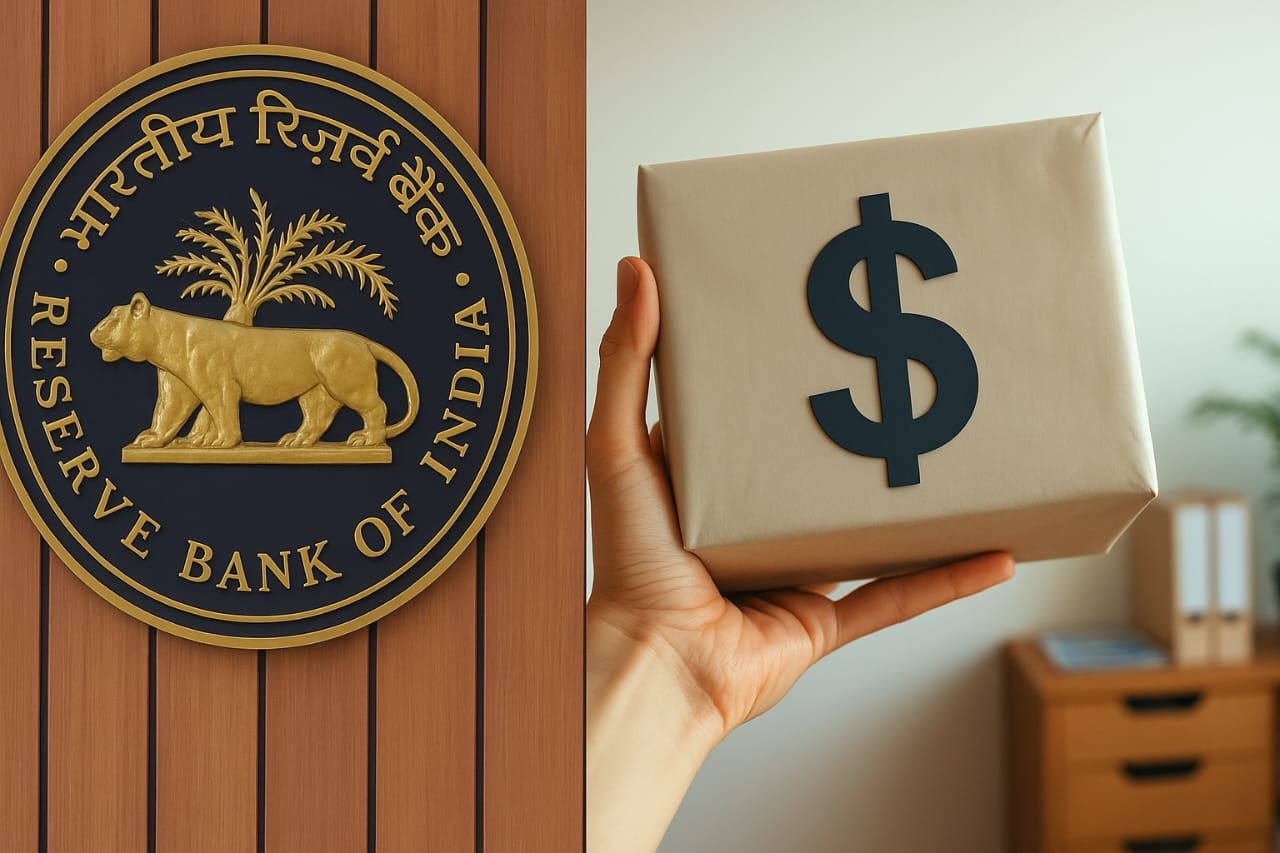
As a part of a holistic drive to plug regulatory gaps, the Reserve Bank of India (RBI) has strengthened vigil against high net-worth individuals (HNIs) using the "gift" route to send large sums overseas, particularly to relatives settled abroad. The action comes in the wake of increasin...
As a part of a holistic drive to plug regulatory gaps, the Reserve Bank of India (RBI) has strengthened vigil against high net-worth individuals (HNIs) using the "gift" route to send large sums overseas, particularly to relatives settled abroad. The action comes in the wake of increasing evidence that a section of wealthy Indians have been circumventing the Liberalised Remittance Scheme (LRS) annual limit of $250,000 by giving direct gifts of foreign investment returns to relatives abroad, instead of repatriating the amount to India as mandated by law.
The concern of RBI is the misuse of the LRS and FEMA rules, which provide that any foreign investment sale proceeds in LRS need to be repatriated to India within 180 days (90 days in the case of certain direct investment) if not remitted for reinvestment abroad. Distributing these proceeds from foreign funds outright, as opposed to repatriation followed by remittance as a gift under an LRS, is now identified as a distinct wrongdoing.
Key Highlights
-
Mandatory Repatriation: Amount of sale of foreign investment under LRS must be repatriated to India within a period of 180 days (or 90 days in the event of Overseas Direct Investments) unless foreign investment is re-invested overseas. Direct gift with non-repatriation is not allowed.
-
Financial Yearly LRS Ceiling: Resident Indians can repatriate up to $250,000 per financial year abroad for permissible purposes, such as gifts. Gifts above this limit or not properly repatriated can attract fines under FEMA.
-
Loophole Closed: Some HNIs had been keeping money abroad and giving it abroad to NRI relatives, thus bypassing the LRS limit as well as the repatriation obligation. The RBI now views this as circumventing the spirit of the law as well as a potential channel for unreported transfer of money abroad.
-
Improved Documentation: Banks and authorized dealers are now required to adopt improved documentation and end-use confirmation for outward remittances, especially those relating to gifts and foreign investment receipts.
-
Penalty for Non-Compliance: Non-compliance with repatriation and LRS requirements can invoke heavy penalty and legal prosecution under FEMA.
The RBI move is to prevent abuse of the "gift" route for tax avoidance or undeclared foreign investment. HNWIs and their professional advisers are hereby cautioned: all offshore gifting must exactly comply with the repatriation and LRS guidelines, or risk regulatory action.
Source: Acuity Law LLP, Business Standard, Economic Times, CA Alley